
Electric vehicles (EVs) use large battery packs to power electric motors, which distinguishes them from vehicles with internal combustion engines. Understanding how long these batteries may last, what maintenance they typically require, and the factors that impact their longevity is central to evaluating the broader adoption of EVs. Battery life in EVs often refers to the number of charge-discharge cycles the battery can undergo before its capacity declines to a defined threshold, commonly about 70–80% of the original capacity. Maintenance patterns for EVs can differ significantly from conventional vehicles due to the different architecture and fewer moving parts. Longevity insights focus on how advancements in technology, driving habits, climate, and manufacturer practices can influence the total service life of an EV and its battery system.
Batteries in EVs are typically based on lithium-ion technology, similar to those used in smartphones or laptops but scaled up for vehicular use. Many factors influence battery degradation, such as usage patterns, charging habits, and environmental temperature. Maintenance for these vehicles usually centers around the battery and software systems, as traditional engine-related services are largely unnecessary. Both private owners and fleet operators consider the total lifespan and reliability of EVs when making informed decisions about adoption.
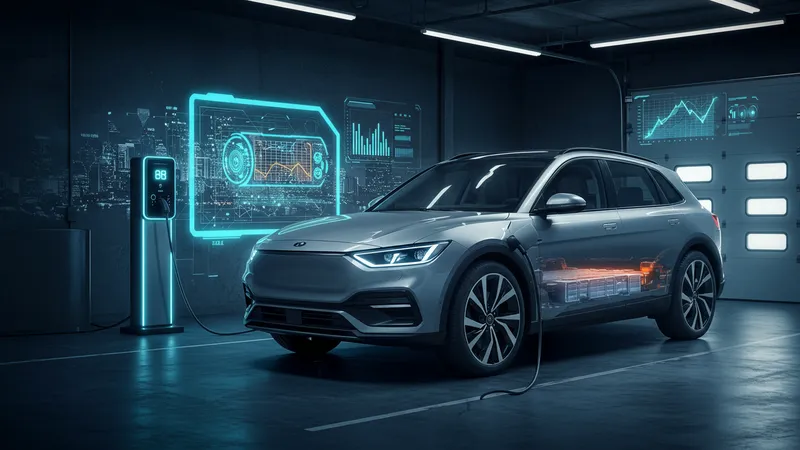
Typically, EV battery lifespan can range from 8 to 15 years depending on the model, climate, and driving conditions. Manufacturers often provide warranties ranging from 8 to 10 years or up to 100,000 miles for their battery systems. These conservative figures reflect widespread industry benchmarks, though real-world results may vary due to environmental and individual usage differences.
Battery maintenance for EVs primarily involves software updates and monitoring battery health through onboard diagnostic systems. Unlike traditional vehicles, EVs may not require routine oil changes, spark plug replacements, or transmission maintenance, potentially simplifying overall upkeep. However, tire rotations, brake fluid checks, and cabin air filter changes are still part of routine service schedules.
Multiple factors can affect EV battery longevity, including exposure to extreme temperatures, repeated use of fast charging, and maintaining a high or low state of charge for prolonged periods. Battery management systems (BMS) are integrated into EVs to regulate charging and discharging, optimizing cycle life and improving reliability over time. Advances in battery chemistry and thermal management may further stabilize performance and extend effective service life.
As EV adoption increases, manufacturers have implemented transparent reporting and remote monitoring features that help users and service providers assess battery health. Certification programs and warranties set clear parameters for what is considered acceptable battery capacity loss. Transparent criteria outlining battery state-of-health can inform potential buyers and influence resale value decisions. The next sections examine practical components and considerations in more detail.
The majority of electric vehicles employ lithium-ion rechargeable batteries, which are valued for their energy density and relatively stable performance over time. Other less common battery types include nickel-metal hydride and solid-state batteries, though these are less widely used in commercially available EVs as of 2024. Technical specifications such as capacity (measured in kWh), cycle life, and internal thermal management can influence the overall reliability of each battery category.
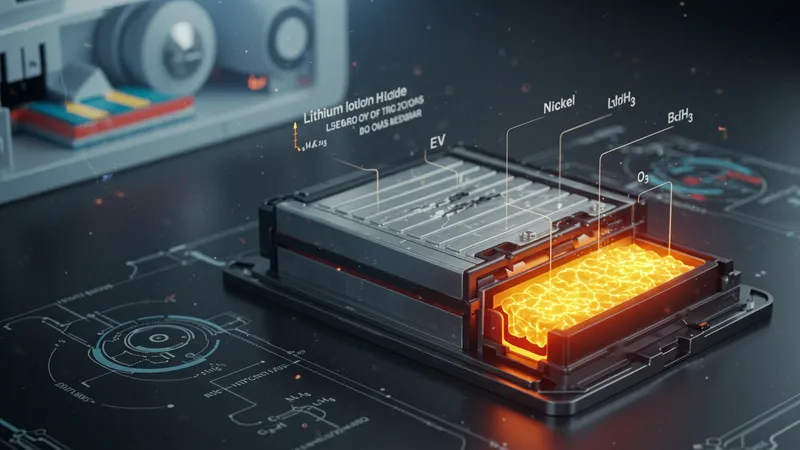
Manufacturers may choose different battery chemistries and designs to balance range, energy density, safety, and cost. For example, Tesla uses a blend of nickel, cobalt, and aluminum oxide, while other brands like Nissan may utilize lithium manganese oxide. These chemical compositions influence battery longevity and are continually adjusted based on performance data and research findings in the field of materials science.
Battery management systems (BMS) play a vital role in maximizing lifespan by protecting cells from overcharging or deep discharging. BMS algorithms monitor temperature, voltage, and charging currents, automatically adjusting parameters to mitigate degradation. Ongoing software improvements may continue to advance the efficiency of these systems, aiding in long-term reliability.
Solid-state batteries, still in their demonstration phase, are being researched for potential use in EVs. These batteries could improve cycle life and charge times, but commercial viability and lifecycle data remain under evaluation. Current market offerings primarily focus on lithium-ion variants, which remain the industry standard for EV car battery life and maintenance expectations.
Maintenance requirements for EV cars typically differ from gasoline-powered vehicles, as EVs have fewer moving mechanical parts and do not require oil changes or engine-related servicing. Instead, routine service focuses on chassis components, brakes, tires, and the battery system itself. Brake pads may last longer because regenerative braking technology reduces traditional wear rates, although conditions such as driving style and environment still influence component service intervals.
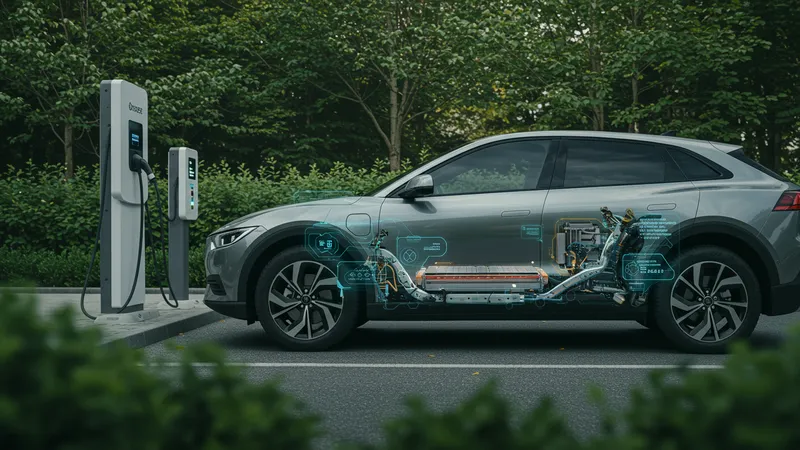
Battery systems in EVs require consistent software updates, which are frequently administered remotely. These updates can recalibrate performance settings, improve charging efficiency, and optimize thermal regulation. Some manufacturers provide periodic hardware inspections to monitor battery connectors, coolant levels, and overall pack integrity.
Tire maintenance remains an essential consideration, especially as EVs are typically heavier than their combustion-engine counterparts. Extra weight may place additional demands on tires, making regular rotations and pressure checks important for vehicle efficiency and safety. Additionally, cabin air filter changes and brake fluid checks remain part of standard service recommendations.
While EVs reduce or eliminate many engine-related upkeep tasks, certain components such as high-voltage cabling and charging equipment may require specialist attention during the lifetime of the vehicle. Battery warranty conditions frequently outline the recommended servicing intervals and specific actions considered necessary to maintain warranty coverage, reflecting cautious industry practices and neutral manufacturer support guidelines.
The service life of an EV battery typically depends on several core factors including usage patterns, operating temperatures, and charging practices. High ambient temperatures may accelerate chemical reactions within the battery, contributing to gradual capacity degradation. Conversely, extremely cold climates may temporarily reduce available battery power and increase charging times, though most modern battery packs incorporate temperature regulation systems to balance these effects.
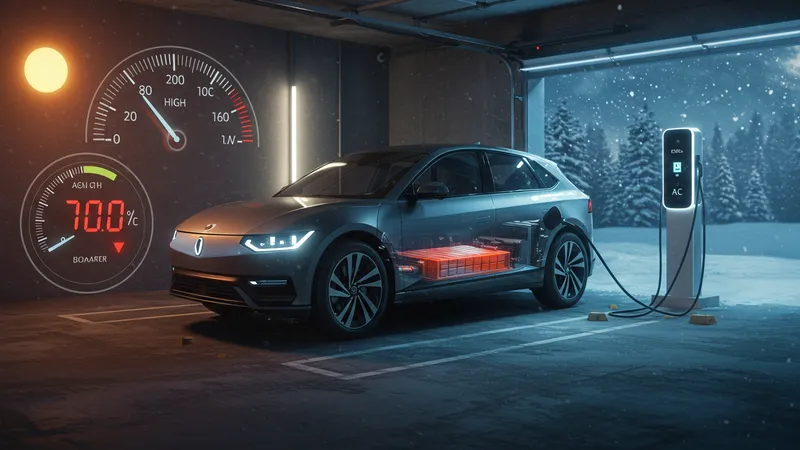
Charging habits can also influence battery longevity. Consistently charging to full capacity or discharging to near depletion may increase wear, while maintaining a moderate state of charge can mitigate some of these impacts. Routine use of high-power DC fast chargers, though convenient, can cause additional thermal stress compared to slower AC charging methods, according to commonly referenced manufacturer guidance.
Driving behaviors such as aggressive acceleration, hauling heavy loads, or sustained high-speed travel may increase mechanical and thermal loads on the battery, potentially reducing lifespan over time. Manufacturers recommend a balanced driving approach, although published data illustrates that real-world usage trends often reflect a diversity of driving profiles that affect longevity outcomes in measurable but non-uniform ways.
Industry standards for battery warranties typically set thresholds for acceptable capacity loss rather than guarantee absolute performance. Market data suggest that many EV owners experience capacity retention above 70–80% over the warranty period, though variations are reported based on brand, model, geographical location, and owner habits. Transparent manufacturer documentation provides benchmarks to guide user expectations and inform ongoing research in battery durability.
The outlook for battery life, maintenance, and longevity in EV cars is influenced by ongoing advancements in technology, regulatory policies, and environmental considerations. Continued research into new battery materials aims to increase energy density and reduce degradation, which may extend practical service life and enhance reliability over long-term usage. Additionally, industry initiatives focusing on battery recycling and second-life applications contribute to sustainability efforts in the electric mobility sector.
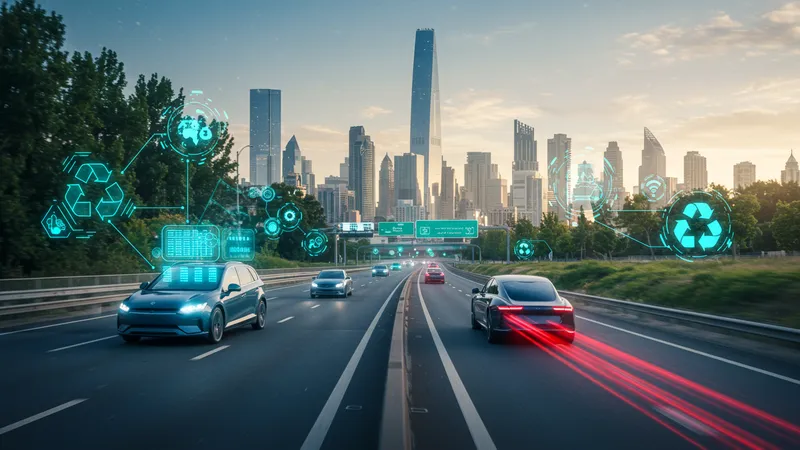
Maintenance requirements for EVs are expected to become increasingly streamlined due to advancements in remote diagnostic tools and predictive maintenance algorithms. These technologies can facilitate early detection of issues, helping owners manage potential performance changes and address maintenance needs proactively. Such advancements may support reduced unplanned downtime and extend vehicle usable lifespan, according to manufacturer and industry reports.
Publicly accessible resources, including warranty documentation and independent battery analytics, provide users with consistent, transparent data on battery health and service intervals. As adoption broadens, greater availability of trained service personnel and standardized practices may further improve the ownership experience and confidence in EV longevity. Policy frameworks in several regions are also shaping warranty standards and minimum performance guarantees for electric vehicles.
Looking ahead, the convergence of improved battery chemistry, smarter management systems, and collaborative industry practices could further strengthen the reliability profile of electric vehicles. Owners and fleet managers may achieve added predictability regarding maintenance schedules and lifespan projections, although these outcomes remain subject to evolving technologies and individual usage variables. This summary closes the detailed examination of EV cars, offering a foundation for understanding ongoing advances in battery life, maintenance, and longevity.