
Grocery store supply chains refer to the coordinated sequence of activities that move goods from producers to consumers through retail outlets. This process encompasses sourcing, storage, transportation, distribution, and shelf replenishment. The complexity of these systems arises from the need to handle both perishable and non-perishable products, closely manage inventory levels, and ensure products are available when and where shoppers expect them. Each stage of the supply chain plays a role in determining both the efficiency of the operation and the readiness of grocery store shelves.
Efficient logistics infrastructure is fundamental to grocery supply chains. Timing, accuracy, and adaptability are crucial, as disruptions can result in empty shelves or excess waste. Supply chains for groceries often involve advanced data-driven planning and partnerships between manufacturers, wholesalers, logistics providers, and retailers. The organization and performance of these networks can directly affect food costs, selection diversity, stock-outs, and the overall consumer experience.
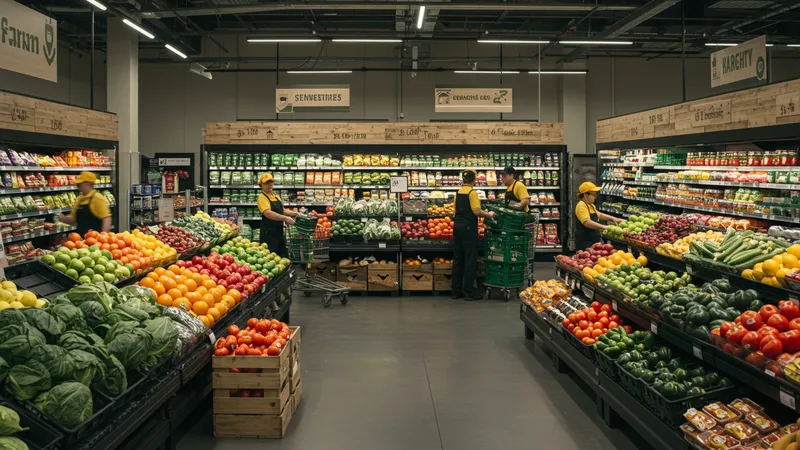
Supply chain management for grocery retailers can vary significantly depending on factors such as product categories, store formats, and consumer demand patterns. For example, fresh produce often moves through cold chain routes requiring rapid turnaround and careful monitoring. Non-perishable goods can be delivered less frequently and typically pass through one or more depots or warehouses before reaching shelves. Many stores leverage real-time analytics provided by WMS to manage stock levels and reduce shrinkage.
Cold chain logistics are particularly important for goods with short shelf lives. By maintaining consistent temperature control from origin to store, these networks can minimize spoilage, increase food safety, and meet regulatory standards. However, implementing cold chain infrastructure tends to involve significant upfront investment and ongoing operational costs, which may impact product pricing and availability for consumers.
Direct Store Delivery streamlines supply for products that require frequent restocking or special handling, such as bread or beverages. This approach reduces warehouse handling but can increase transportation expenses. Decisions about DSD versus central distribution models often depend on volume, location, and contractual agreements with suppliers. Each method aims to maintain product freshness while optimizing delivery frequency and cost.
Warehousing and transportation systems are central to product flow and shelf availability. Many grocers work with third-party logistics providers or maintain dedicated fleets and large distribution centers to handle high volumes. As technology advances, automation and data integration within warehouses may gradually improve efficiency and reduce manual labor. These developments typically lead to greater visibility across supply networks, supporting both suppliers and retailers in making timely adjustments.
In summary, grocery store supply chains rely on layered logistics strategies and technologies. Elements such as warehouse management systems, cold chain logistics, and direct store delivery serve specialized roles that shape how efficiently and consistently products reach consumers. The next sections examine practical components and considerations in more detail.
Warehouse management plays a key role in the performance of grocery store supply chains. Advanced systems for inventory control allow retailers to track products in real time and minimize losses. Many grocery supply chains utilize WMS platforms to automate processes such as stock rotation, order picking, and replenishment scheduling. This approach can improve response to fluctuating demand and support efficient product distribution, especially in larger networks with multiple store locations or regional warehouses.
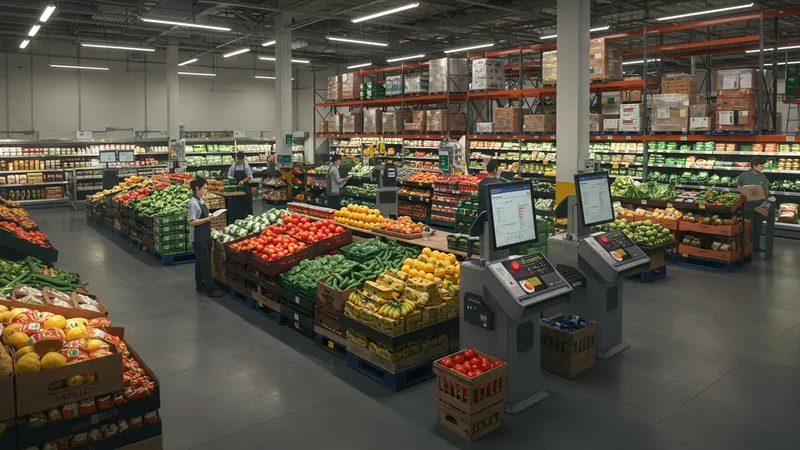
Effective inventory management often involves balancing product freshness with the need to avoid stockouts or overstocking. For perishable goods, precise inventory tracking can help reduce waste by ensuring items are shipped and sold before their expiration dates. Non-perishable products are typically managed in bulk using automated reordering algorithms to maintain optimal stock levels. Integration with point-of-sale data further enables supply chains to react dynamically to real-time sales trends, reducing delays in restocking high-demand items.
Warehouse efficiency may also be boosted by automation, such as conveyor systems and robotics for order fulfillment. These investments can help reduce errors and labor requirements, particularly in high-throughput facilities. Some grocers partner with third-party logistics providers for warehousing, benefiting from specialized expertise and shared infrastructure. This collaboration can lower operational costs but may introduce dependencies regarding service quality and lead times.
Data security and system reliability are additional considerations in warehouse and inventory management. Outages or interruptions may result in delayed shipments and affect product availability in stores. Industry standards and best practices for data handling—such as regular system updates and access controls—are often followed to protect sensitive information and ensure efficient supply chain operations.
Cold chain logistics are crucial in transporting temperature-sensitive products within grocery supply chains. The safe handling of dairy, meat, frozen goods, and fresh produce requires maintaining specific temperature ranges throughout transportation and storage. Any deviations can result in compromised food safety or accelerated spoilage. Specialized equipment such as refrigerated trucks, insulated containers, and temperature-monitoring technology is typically used to meet these standards, with substantial cost implications for both transport providers and retailers.
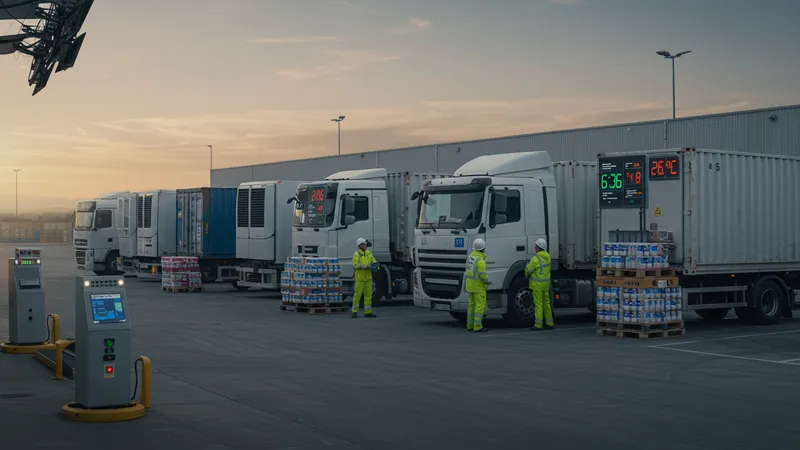
Maintaining continuity in the cold chain may require close coordination between suppliers, logistics companies, and store managers. Goods are often checked at multiple control points using digital monitors that log temperature data. In some cases, regulatory requirements set minimum standards for specific categories of food products, and compliance is monitored through audits or inspections. The need for temperature consistency adds logistical complexity, particularly in regions with long transportation distances or variable climate conditions.
Energy usage is another important factor in cold chain systems. Refrigeration units consume significant electricity, which may contribute to overall operational costs and the environmental footprint of grocery supply chains. Solutions to optimize energy consumption can include route planning to speed up deliveries, energy-efficient equipment, and real-time monitoring tools that alert staff to any temperature deviations, allowing timely corrective action.
Emerging technologies such as blockchain and advanced data analytics are starting to support greater transparency and traceability within cold chains. By capturing detailed records from farm to shelf, these systems can improve accountability and allow rapid response to food safety incidents. The goal is to minimize disruption, maintain product quality, and meet consumer expectations for freshness and safety.
Direct store delivery (DSD) is widely used in grocery supply chains for specific product categories, such as baked goods, snack items, and beverages, that require frequent restocking or delicate handling. This method involves suppliers delivering products directly to individual stores rather than through centralized warehouses. DSD may reduce lead times and ensure adequate shelf replenishment, which is particularly important for high-turnover items or promotional products.
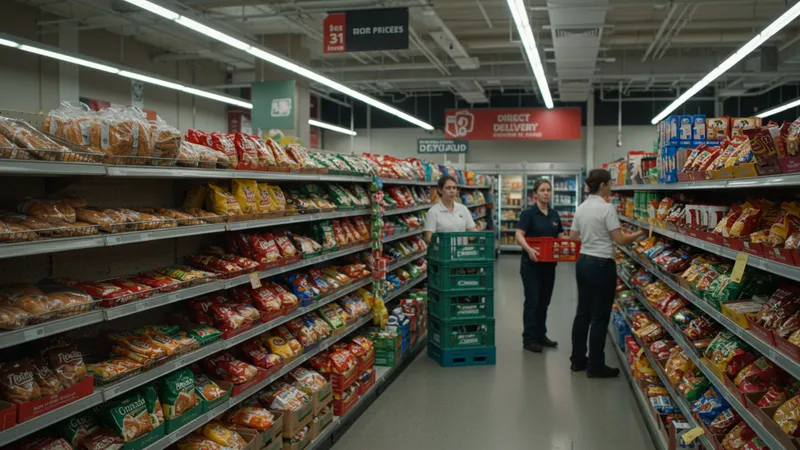
The choice to utilize DSD typically depends on several variables, including product shelf life, demand predictability, and supplier capabilities. For certain goods, DSD can minimize the risk of spoilage and stock deficiency, as suppliers maintain closer oversight of store-level inventory. However, it may also result in increased transportation coordination and cost, especially for stores located outside major delivery routes or in areas with lower sales volumes.
DSD can impact store operations by shifting some responsibility for merchandising and stock management to suppliers. This may free up store staff for other tasks but can introduce additional complexity in product tracking and invoice reconciliation. Retailers often negotiate specific terms with DSD partners to clarify roles, responsibilities, and performance expectations, aiming for a streamlined flow of goods while maintaining accountability.
Many grocery retailers adopt a hybrid strategy, using DSD for selected fast-moving categories and centralized distribution for others. Evaluating the relative efficiency of DSD versus warehouse-based delivery is an ongoing process, influenced by sales data, supply disruptions, and seasonal demand fluctuations. Such flexibility may help stores adapt to changing market conditions while supporting consistent product availability.
The integration of technology within grocery supply chains is increasingly important for optimizing performance and meeting evolving consumer demands. Systems such as warehouse management software, transport tracking platforms, and demand forecasting tools collectively support informed decision-making. Data from point-of-sale terminals, supplier shipments, and logistics partners can be synthesized to provide a comprehensive, timely view of product flow and inventory status across the entire supply chain.
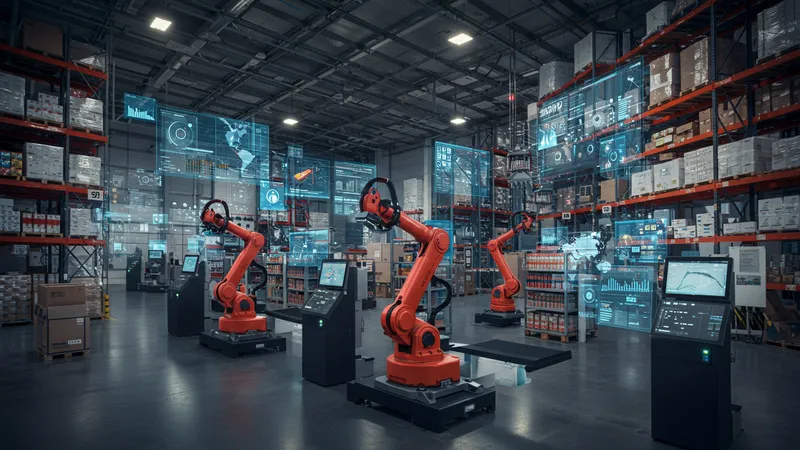
Automation and digitalization can help grocers reduce manual processes, minimize errors, and increase the accuracy of order fulfillment. Automated picking systems, robotics, and electronic communication channels between suppliers and retailers often contribute to faster, more consistent product replenishment. These technologies require significant investment but may typically yield returns in the form of greater efficiency and the ability to scale operations in response to business growth.
Collaborative planning platforms facilitate information sharing among all parties involved in the supply chain. Transparent communication can help minimize disruptions, coordinate promotional campaigns, and respond more effectively to fluctuations in consumer demand. Such systems may include vendor-managed inventory agreements, enabling suppliers to proactively monitor and restock product levels for their retail clients within agreed-upon guidelines.
As supply chain technology evolves, challenges remain regarding system compatibility, data security, and ensuring sufficient staff training. Adopting new platforms may take time and involve periods of adjustment, but the long-term trend is toward greater integration and automation. This may support the resilience, responsiveness, and sustainability of grocery store supply chains in a dynamic retail environment.