
Renewable energy refers to sources of power that are naturally replenished on a human timescale and produce electricity or heat with lower environmental impact than conventional fossil fuels. Examples include solar, wind, hydropower, geothermal, and bioenergy. These resources are often harnessed using technologies designed to convert sunlight, wind, water flow, or organic matter into usable power. The importance of renewable energy in modern power generation lies in its potential to diversify electricity supply, decrease dependence on depleting fossil resources, and reduce greenhouse gas emissions associated with electricity production.
The role of renewable energy within the global energy system has expanded in recent decades due to advances in technology, policy support, and shifts in public and private sector priorities. Modern power generation increasingly integrates renewable energy sources into the grid, which may lead to changes in infrastructure planning, investment, and regulatory frameworks. Adoption rates can vary depending on economic factors, resource availability, and technology maturity. As these sources become more widely used, they shape discussions around reliability, cost, and the long-term sustainability of power systems.
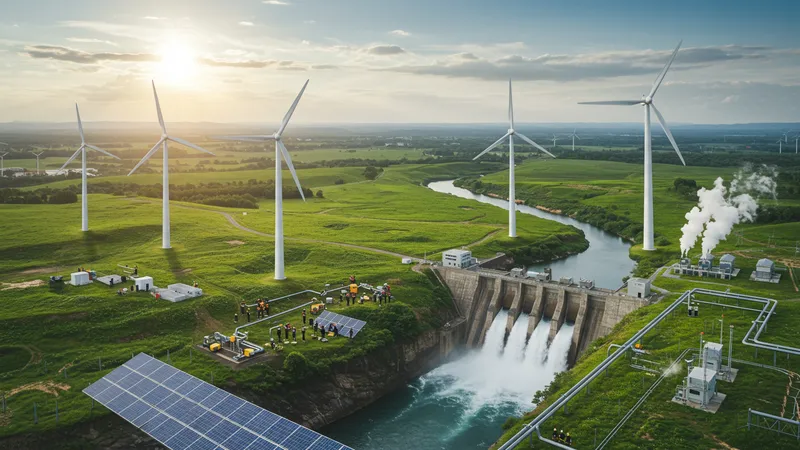
Renewable energy sources like solar, wind, and hydropower may offer several advantages for power generation, including reduced emissions and decreased reliance on imported fuels. However, their integration often requires adaptations in existing electrical grids due to the intermittent and location-dependent nature of certain resources. Advances in energy storage, grid management, and digitalization typically support higher renewable penetration rates by addressing challenges related to variability and system balancing.
Economic considerations are central to renewable energy adoption. Installation costs for technologies such as solar PV and wind turbines have decreased substantially in recent years, but total project expenses can still depend on local labor, permitting, and supply chain variables. Hydropower costs tend to be highly site-dependent, reflecting construction complexity and environmental management requirements. In many regions, these sources have become cost-competitive with conventional options, though pricing remains sensitive to policy structures, financing, and market conditions.
Policy frameworks, including subsidies, feed-in tariffs, and renewable portfolio standards, often play an important part in shaping the pace and scale at which renewables are integrated into modern power systems. Grid operators may also adopt new strategies to ensure flexibility and reliability as renewable generation increases, including encouraging demand response or utilizing reserve capacity. Continued R&D investment supports incremental improvements in technology performance and operational integration.
The environmental impact of renewable energy tends to be lower than that of fossil-fueled power plants, particularly concerning air quality and greenhouse gas emissions. There remain, however, important considerations regarding land use, resource extraction, and the lifecycle impacts of manufacturing, deploying, and retiring renewable technologies. Life cycle assessments may inform policy and public perception by clarifying these trade-offs.
In summary, the integration of renewable energy into modern power generation involves a combination of evolving technologies, policy measures, economic considerations, and environmental assessments. As adoption continues to grow, ongoing research and infrastructure planning will shape the future mix and impact of these technologies. The next sections examine practical components and considerations in more detail.
Solar photovoltaic (PV) systems transform sunlight directly into electricity, typically using silicon-based cells. Installation ranges from rooftop modules for homes and businesses to multi-megawatt solar parks. Key factors influencing their utility include sunlight availability, panel efficiency, and system integration capabilities. Innovations in PV technology continue to address conversion rates, cost, and material sourcing, which can affect market adoption depending on regional conditions.
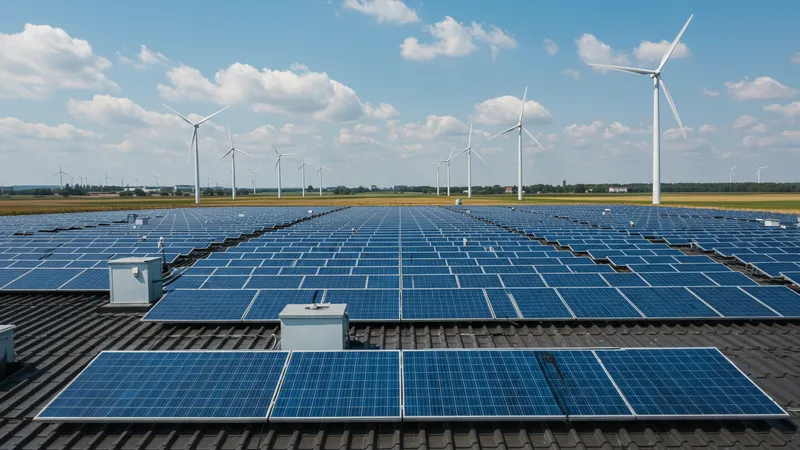
Wind power employs turbines to capture energy from wind currents. It is commonly divided into onshore and offshore installations, each with unique planning, engineering, and environmental requirements. Onshore wind projects generally benefit from easier installation and maintenance access, while offshore sites may offer higher and more consistent wind speeds. Both systems typically require significant upfront investment, with returns realized over multi-year periods as part of broader energy portfolios.
Hydropower remains one of the oldest and most established renewable energy sources in electricity generation. It utilizes moving water—often rivers or strategically constructed reservoirs—to rotate turbines. Project size varies widely, from small run-of-the-river plants to large dams. While hydropower typically provides stable output, it may be subject to seasonal variability and environmental impact considerations, such as habitat disruption or water resource management.
Each major renewable technology presents distinct technical, economic, and environmental characteristics. Their integration into modern power systems is often tailored based on regional resource availability, infrastructure needs, and local energy demand profiles. Ongoing advancements in materials science, digital controls, and grid flexibility may facilitate wider adoption of renewables in diverse settings.
The financial landscape for renewable energy projects has evolved due to reductions in capital costs and improvements in efficiency. For instance, solar PV and wind technologies have generally seen notable price decreases over the past decade, typically improving their competitiveness with traditional sources. Still, the economic sustainability of projects can depend on factors such as initial investment, operational costs, financing structures, and the local regulatory environment.
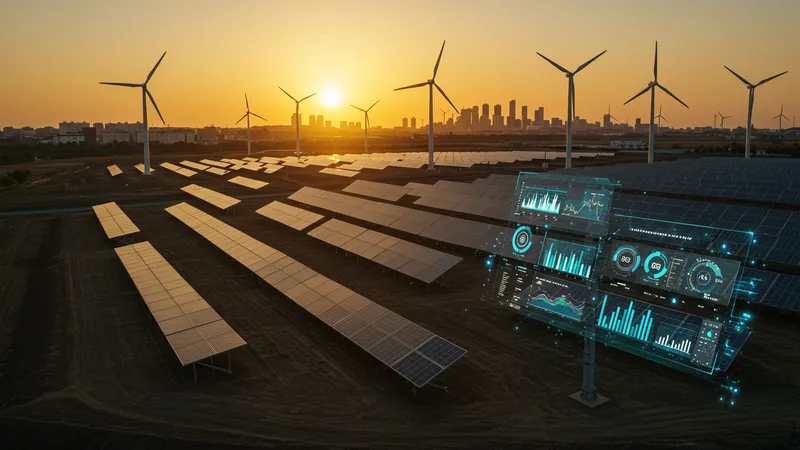
Subsidy mechanisms, long-term power purchase agreements, and renewable energy mandates may all influence the viability of renewable energy investments. Grid parity, where renewable power costs are comparable to or below those of conventional sources, often serves as a key milestone for market expansion. This trend, however, can vary widely between regions and is affected by fluctuating input costs, supply chain disruptions, and policy adjustments.
The economic profile of hydropower projects tends to differ from solar and wind, as construction is typically more capital-intensive and subject to greater site-specific variables. Feasibility studies often assess not only direct costs but also longer-term operational and maintenance requirements, along with prospective environmental compliance costs.
Overall, the economic performance of renewable energy technologies is shaped by multiple interdependent variables, including technological maturity, market scale, local resource conditions, and public policies. Cost trajectories may continue to shift in response to ongoing technological development and changes in the broader energy landscape.
As renewable sources such as solar and wind become more prominent in power generation, grid operators encounter new challenges related to intermittent output and localized resource distribution. Integration typically requires upgrades in transmission and distribution networks, enhanced forecasting techniques, and improved grid flexibility through demand-side management and energy storage.
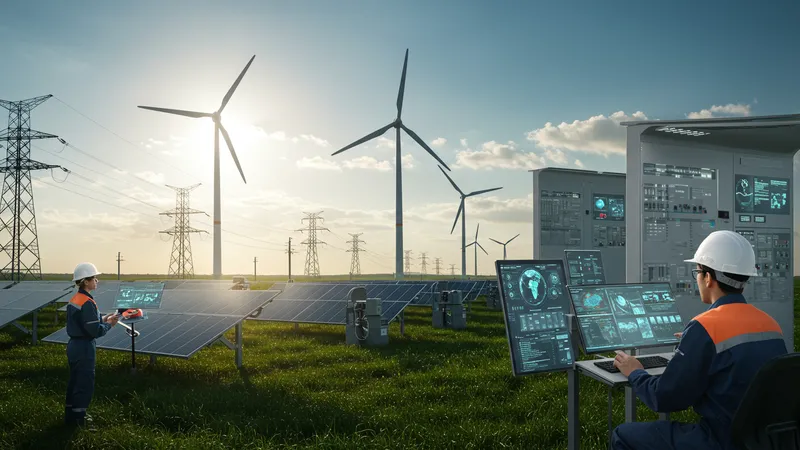
Battery storage systems, pumped hydro storage, and advanced controllers are increasingly used to help balance supply and demand. These technologies can absorb excess renewable power during periods of high generation and release it when production drops or energy demand rises. Grid automation and digitalization may support these processes by facilitating rapid responses to grid fluctuations and optimizing asset utilization in real time.
Demand response programs are another common approach to supporting renewable integration. By incentivizing end-users to adjust consumption patterns in response to grid conditions or price signals, these programs can reduce strain during peak periods and make more effective use of renewable generation. Such strategies may require regulatory support and sophisticated market mechanisms to function efficiently.
In regions with significant renewable power, ancillary services such as frequency regulation and voltage control become increasingly important. Grid codes and standards are often updated to accommodate a changing mix of power sources, helping to maintain reliability and security of supply even as renewable penetration rises. Collaboration among utilities, regulators, and technology providers remains crucial in this evolving context.
The environmental impact of shifting to renewable energy-based power generation is typically characterized by reductions in carbon dioxide and other pollutants compared to fossil fuel combustion. Life cycle assessments for solar, wind, and hydropower generally indicate lower emissions footprints, primarily concentrated in the manufacturing, installation, and decommissioning phases of these technologies.
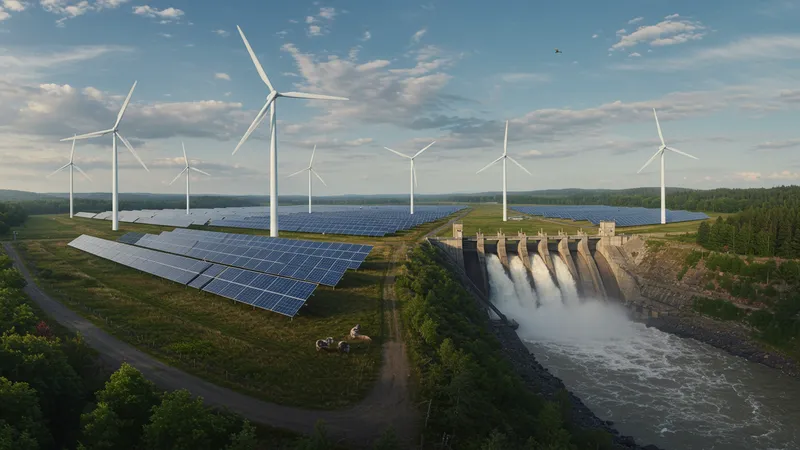
Land use and ecological effects can arise, especially with large-scale installations. Solar farms and wind projects require substantial land areas, which may alter local ecosystems or compete with other land uses. Environmental impact assessments and stakeholder engagement are increasingly incorporated into planning processes to address potential concerns and promote responsible siting practices.
Hydropower projects, while emissions-efficient during operation, may result in environmental changes such as altered river flow, fish migration barriers, and impacts on water quality. Mitigation techniques—including fish ladders, habitat restoration, and adaptive management—are often implemented to minimize negative consequences and comply with regulatory requirements.
Social factors, such as community acceptance, employment generation, and access to electricity, are frequently considered alongside environmental analyses. Renewable energy deployments may support rural electrification, offer diverse economic benefits, and encourage local participation in project development. These factors tend to influence long-term sustainability and the broader societal role of renewables in modern power generation.