
Data center thermal management involves a combination of airflow design, cooling methods, sensor monitoring, and infrastructure planning to maintain equipment within recommended temperature ranges. Achieving reliable operation in data centers requires careful coordination of multiple strategies that support consistent cooling, minimize thermal hotspots, and manage power consumption. The primary objective is to sustain optimal performance levels while protecting sensitive hardware from potential overheating or thermal-related failures.
The process typically integrates both physical and digital approaches. Physical methods may include arranging server racks to separate hot and cold air streams, while digital management uses sensors and automation to regulate cooling systems. Canadian facilities often consider local climate variations, energy pricing, and compliance standards. These factors, combined with advances in cooling technologies, influence thermal management approaches used across the country.
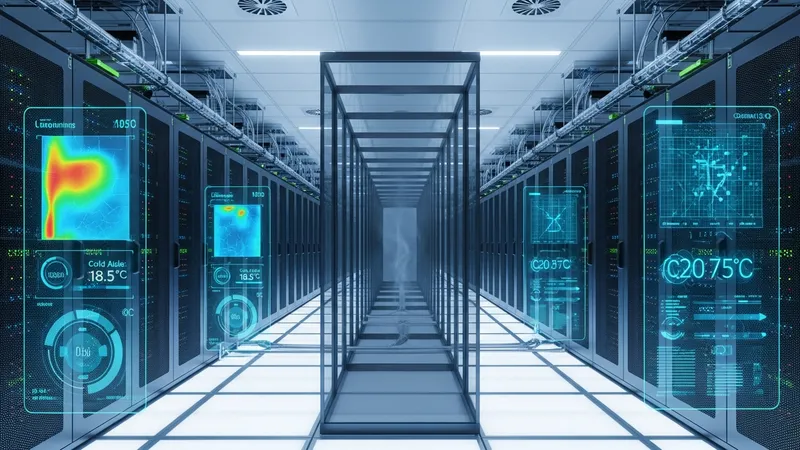
Cold Aisle/Hot Aisle Containment is a widely recognized technique to improve cooling efficiency. By directing cold air to server inlets and containing hot air exhaust, these layouts can reduce unnecessary workload on cooling equipment. Canadian data centers using this method often report steadier rack temperatures and the potential for reduced energy use compared to unmanaged layouts.
Precision air conditioning units differ from commercial HVAC systems by maintaining tighter environmental tolerances needed for sensitive server installations. These units are designed for continuous operation and may offer variable cooling outputs. Facilities in Canada typically select precision units to ensure temperature and humidity stay within safe operating margins year-round.
Environmental monitoring is becoming more prevalent in Canadian data centers. By using temperature, humidity, and airflow sensors, operators can identify potential hotspots and areas where airflow may be obstructed. Sensor data may be integrated with building management systems, supporting proactive maintenance and efficient allocation of cooling resources.
Costs associated with these methods usually depend on the size of the data center, scope of automation, and ongoing maintenance needs. Canadian facilities often factor in energy management incentives and regional climate considerations during planning. Investment in thermal management may result in greater resiliency, hardware longevity, and potentially lower energy consumption over the long term.
In summary, data center thermal management in Canada involves coordinated airflow design, advanced cooling systems, and digital monitoring to maintain optimal operation. The next sections examine practical components and considerations in more detail.
Effective airflow management is fundamental in maintaining temperature stability within Canadian data centers. Strategically positioning cooling units and rack enclosures may help direct airflow to where it is needed most. Perforated floor tiles and aisle containment systems often ensure cold air reaches equipment inlets efficiently. Inconsistent airflow patterns can contribute to overheating, making regular assessments crucial for mitigating risks.
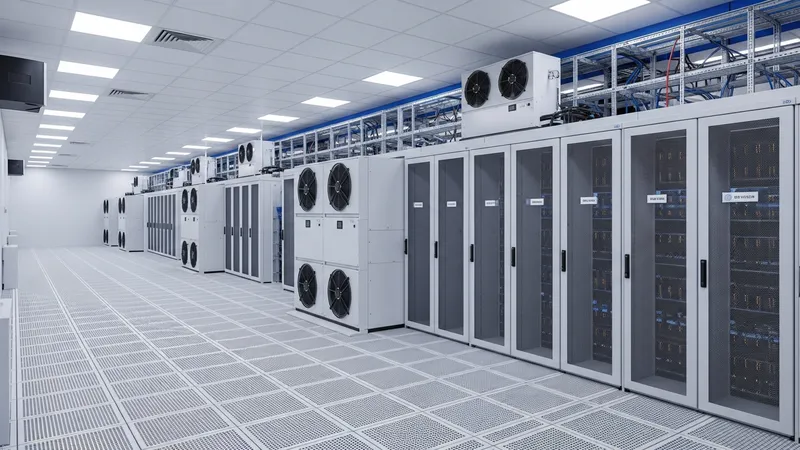
Sealing cable cutouts, closing unnecessary gaps in flooring, and using blanking panels to cover unused rack spaces are established practices to reduce unwanted air recirculation. These methods, commonly found in Canadian data center designs, aim to limit mixing of hot and cold air, improving the effectiveness of existing cooling infrastructure. Periodic inspections and adjustments are typically recommended to sustain efficiency.
Computational fluid dynamics (CFD) modeling is sometimes applied to simulate and visualize airflow within data centers. Using CFD analysis, Canadian operators may identify possible hotspots and refine arrangements of racks or cooling units before implementing physical changes. Adjustments informed by computer modeling can often lead to more predictable temperature patterns and reduced energy expenditure for cooling.
Facility managers often use airflow sensors and thermal imaging as routine diagnostic tools for ongoing monitoring. These assessments enable prompt responses to airflow disruptions caused by equipment changes or increases in server density. By maintaining consistent airflow control, data centers across Canada can better manage thermal loads and uphold equipment reliability.
Containment solutions, such as cold aisle and hot aisle configurations, are widely adopted in Canadian data centers to control the distribution of warm and cool air. By physically separating exhaust air from server racks from the intake of cooling systems, these layouts help minimize energy required to remove excess heat. Facilities often evaluate containment options during initial data center design or prior to infrastructure upgrades.
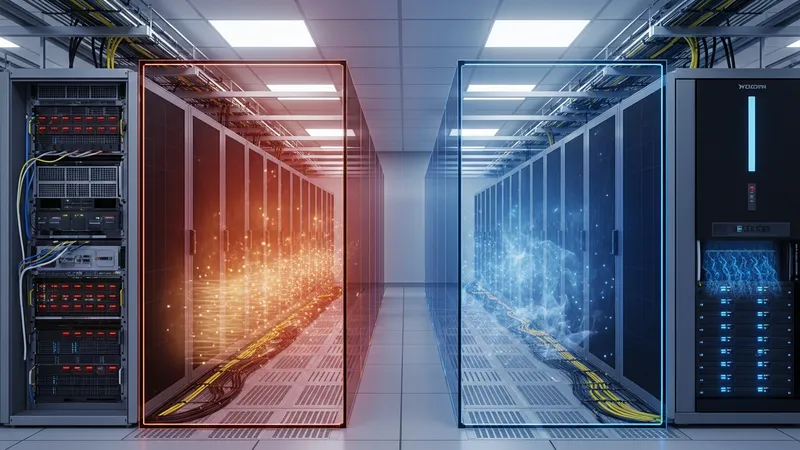
Hot aisle containment confines the server exhaust into a central corridor, which is then evacuated by cooling systems. Cold aisle containment, in contrast, encloses the cold supply aisles to direct air exclusively to equipment inlets. Both arrangements typically offer measurable improvements in cooling efficiency, with adoption depending on space constraints and operational needs within Canadian facilities.
Facility planners in Canada may consider material choices, configuration flexibility, and future expansion requirements when selecting containment strategies. Modular containment kits allow for incremental installation, accommodating growth without extensive rebuilds. The overall cost may be influenced by factors such as aisle length, ceiling height, and local construction regulations.
Research and field reports from Canadian organizations suggest that implementing aisle containment typically contributes to more uniform rack temperatures. This uniformity may support the use of higher set points on cooling units, potentially decreasing overall energy consumption while maintaining safe hardware conditions.
Canadian climate variations and local building requirements influence the selection of precision cooling equipment for data centers. Unlike conventional air conditioning, precision units are designed for continuous operation and deliver tightly controlled cooling, humidity regulation, and air filtration tuned for electronic equipment.
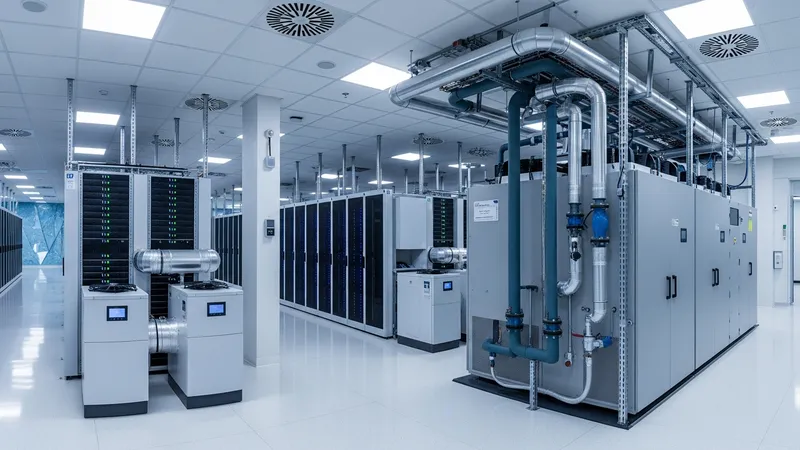
Popular precision systems in Canada may use direct expansion (DX) or chilled water cycles, each offering different benefits. DX units are compact and often simpler to install, generally suited to facilities with limited space. Chilled water systems, while requiring additional infrastructure, can provide scalable cooling for larger or more densely packed facilities.
Routine maintenance and monitoring of precision cooling equipment are important factors in sustaining efficiency. Canadian operators may schedule maintenance at seasonally appropriate intervals to adapt to weather variations, ensuring that equipment remains within peak performance ranges. In colder regions, safeguards against condensation and freezing must be included.
Upfront costs for precision units, as reported by Canadian suppliers, can vary according to rated capacity, redundancy requirements, and unit features. Long-term planning considers not just initial acquisition but also integration with facility automation and anticipated scalability needs.
Deploying environmental sensors throughout Canadian data centers allows operators to track temperature, humidity, and airflow continuously. Sensor data can alert personnel to fluctuations or anomalies that could point to equipment issues or evolving thermal patterns within the facility.
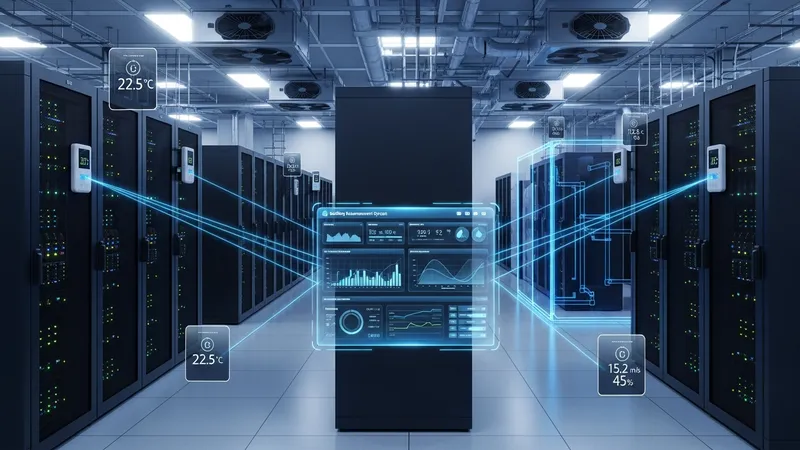
Integration with building management or data center infrastructure management (DCIM) platforms enables automated reactions to sensor inputs. For instance, cooling output may be adjusted incrementally in zones experiencing higher loads. This may help conserve energy while maintaining protective safeguards for critical assets.
Canadian data centers frequently adopt phased sensor deployments, scaling up as needs and budgets allow. Ongoing analysis of collected data can prompt targeted infrastructure upgrades or improved airflow arrangements, supporting gradual refinement rather than disruptive overhauls.
Continued monitoring and incremental optimization contribute to resiliency and cost management in Canadian data center operations. Over time, evidence-based adjustments made in response to real-time data can foster a more reliable and energy-conscious thermal management environment.