
Artificial intelligence (AI) refers to the development of computer systems that can perform tasks which usually require human intelligence. These systems leverage algorithms, vast data sets, and computational power to recognize patterns, make decisions, and learn from experience. Smart machines, a term that often includes AI-enabled devices, encompass robotics, software agents, and autonomous systems used across multiple sectors. In the United States, industries frequently utilize AI to support decision-making, automate routine tasks, and enhance operational efficiency.
AI typically consists of techniques such as machine learning, natural language processing, and computer vision. Many organizations in the United States apply these technologies to analyze large volumes of data, detect trends, and predict outcomes that inform business strategies. The implementation of smart machines can include assembly-line robots, virtual assistants, and advanced analytics platforms which, when integrated properly, may streamline workflows and support consistent performance.
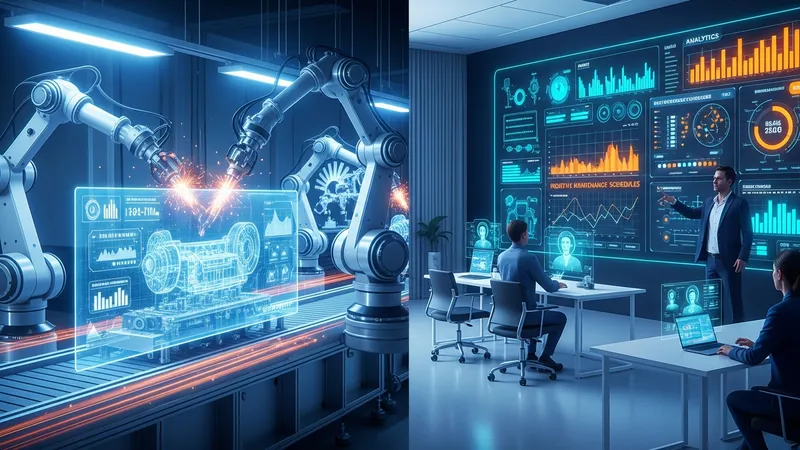
AI systems in the United States often contribute to increased productivity by automating tasks that may be repetitive or time-consuming. Manufacturers, for example, may deploy robotics and predictive maintenance systems on factory floors to reduce downtime and improve product consistency. As digital transformation continues, many U.S.-based organizations are adopting AI-powered solutions to remain competitive and responsive to changing market demands.
In sectors like healthcare, AI tools assist with analyzing medical images, optimizing scheduling, and supporting administrative documentation. While these applications do not replace expertise, they may enhance accuracy and allow professionals to focus on complex tasks requiring discernment. Financial services firms can also leverage machine learning algorithms to detect fraud, manage risks, and deliver customer insights based on large, anonymized data sets.
Retail operations in the U.S. commonly use AI in inventory forecasting, targeted advertising, and customer service chatbots. By processing consumer data within privacy guidelines, smart systems can help personalize interactions and refine inventory management, which may lead to improved satisfaction and operational savings. Transportation and logistics organizations implement AI-enabled route optimization and autonomous vehicles, contributing to safer and more reliable delivery networks.
The ethical considerations around AI include data privacy, bias in automated decisions, and transparency. U.S. policymakers and industry groups continue to develop frameworks to address these issues, emphasizing responsible deployment and risk management. Many organizations adopt guidelines to facilitate accountability, foster trust, and comply with evolving federal and state regulations.
In summary, AI and smart machines form a foundational component of innovation across U.S. industries, facilitating efficiency and new business models. As these systems evolve, the following sections will examine specific components and operational details related to their implementation and oversight.
Artificial intelligence relies on several foundational technologies that enable machines to mimic cognitive functions. Machine learning allows systems to identify patterns and make predictions by processing large data sets. Deep learning, a subset of machine learning, uses artificial neural networks to analyze complex data representations. In the United States, these approaches are commonly deployed in image recognition, language translation, and automated recommendations, among other uses.

Natural language processing (NLP) empowers machines to interpret and generate human language. AI-powered virtual assistants and chatbots frequently utilize NLP to conduct conversations, answer queries, and execute digital commands. Many U.S. businesses incorporate these tools to reduce customer wait times and streamline interactions, while improvements in NLP may also enhance accessibility for users with varying needs.
Computer vision enables AI-equipped smart machines to interpret visual input, such as photographs, video feeds, or scanned documents. In manufacturing settings throughout the United States, computer vision is utilized for quality control, sorting, and inspection tasks. These systems process images at high speed, often identifying defects or anomalies that may be difficult for the human eye to detect.
Robotics combines mechanical hardware with AI algorithms to automate tasks in controlled environments. U.S. industries deploy robotic arms for assembly, medical robots for minimally invasive procedures, and drones for infrastructure inspections. When integrated with sensors and AI controls, robotics may increase the precision and safety of operations across agriculture, logistics, and other industries.
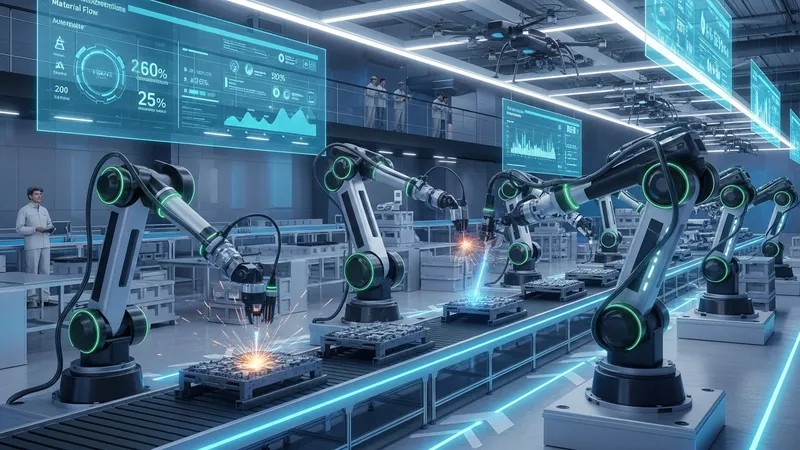
Manufacturing in the United States often leverages AI-enabled robotics and predictive analytics to monitor equipment and streamline assembly lines. These smart machines can perform repetitive or hazardous tasks, reducing human exposure to risks and potentially improving throughput. Predictive analytics may help forecast maintenance needs, minimizing equipment downtime and supporting more consistent output quality.
Healthcare organizations across the U.S. use AI for diagnostic imaging, administrative automation, and patient flow optimization. For instance, machine learning models analyze large sets of radiological images to help identify patterns that could correlate with certain conditions. Administrative tools automate appointment scheduling or insurance verification, which can speed up service without sacrificing accuracy or compliance.
In the financial sector, U.S. institutions integrate AI-driven platforms to enhance fraud detection, automate account management, and monitor market activity. Machine learning algorithms often analyze transaction patterns for signs of irregular activity, and smart customer service systems can address common inquiries. These applications may contribute to higher efficiency and timely identification of atypical behaviors.
Retailers operating within the U.S. utilize AI for demand forecasting, personalized promotions, and inventory optimization. Computer vision helps automate shelf monitoring, while recommendation engines process vast amounts of customer data within regulatory bounds. These strategies may foster streamlined supply chains and improved customer engagement, without replacing the importance of responsible human oversight.
As artificial intelligence adoption expands, ethical considerations such as fairness, accountability, and privacy are increasingly prioritized within the United States. Concerns about bias in AI models—particularly those impacting hiring, lending, or healthcare decisions—have prompted industry and policymakers to develop guidelines ensuring transparency and equitable outcomes. Ongoing research aims to reduce unintended biases through diverse training data and continual model evaluation.

The regulatory landscape for AI in the U.S. is evolving, with federal agencies and state legislatures establishing requirements for data usage, privacy, and algorithmic transparency. Legislation commonly addresses how organizations collect, store, and utilize personal information in AI-enabled processes, emphasizing the importance of informed consent and compliance with existing privacy laws. Industry frameworks often align with these standards, promoting ethical design and deployment.
Risk assessment and impact analysis are standard practices among U.S. organizations developing or deploying smart machines. Structured reviews may address operational safety, data security, and societal impact before system implementation. These precautionary measures foster public trust, encourage responsible innovation, and can help organizations anticipate future policy developments in the AI sector.
Many U.S. institutions participate in public-private collaborations to set voluntary standards and share best practices for AI technologies. These efforts involve coordination with industry groups, academic researchers, and government agencies. By building consensus-driven guidelines, organizations strive to keep pace with technological advancement while protecting consumer interests and upholding ethical principles.
Research and development in artificial intelligence are rapidly advancing, leading to the introduction of new tools and systems in U.S. industries. One notable trend involves generative AI, which may create text, images, or other digital content. Enterprises are currently evaluating how these models can support document drafting, creative production, and process automation without replacing human expertise or oversight.
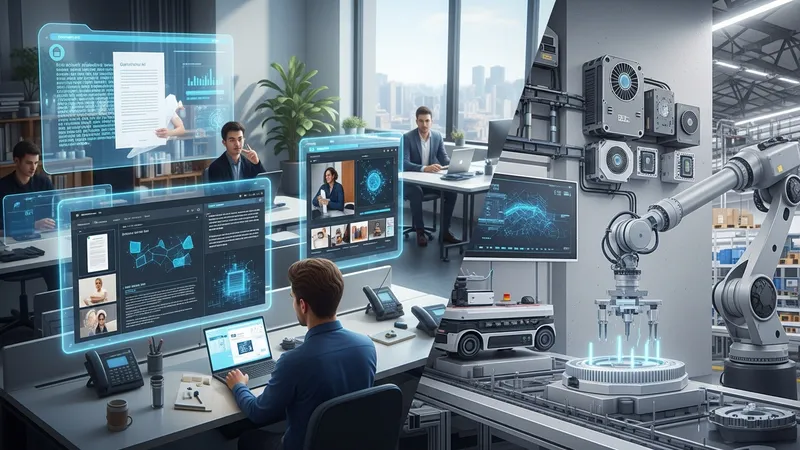
Edge computing is becoming an important component of smart machine deployments. Unlike centralized cloud-based processing, edge AI allows data to be analyzed locally on devices such as sensors or robotic equipment. This approach may improve response times, enhance data privacy, and reduce bandwidth usage, especially in sectors like manufacturing and logistics that require rapid, real-time decision-making.
There is growing emphasis on workforce adaptation, as the integration of AI and automation can change required job skills. Many U.S. organizations provide employee training focused on collaborating with smart systems and managing digital workflows. These initiatives aim to support responsible adoption, promote skill development, and minimize disruption during technological transitions.
Mainstream adoption of AI and smart machines in the United States will likely continue to depend on advancements in technology, regulatory clarity, and public trust. As AI applications expand into new fields, ongoing dialogue among developers, policymakers, and society may guide responsible evolution and integration, balancing operational benefits with ethical considerations.