
Solar energy provides a way for households to generate electricity from sunlight using photovoltaic (PV) panels installed on rooftops. When sunlight strikes these panels, it is converted into direct current (DC) electricity that is then transformed into alternating current (AC) usable in homes. This process allows homeowners to supplement or replace electricity drawn from the grid, which can contribute to reductions in utility bill expenses over time. In Australia, where sunlight is abundant in many regions, solar energy systems have become a frequently discussed method for managing household electricity costs.
Understanding how solar reduces utility bills involves analyzing both the technical components and financial frameworks tied to solar integration. PV systems may be sized to meet a part or most of a household’s typical demand. Excess electricity produced beyond daily needs is commonly fed back into the grid, often resulting in credits through feed-in tariffs or similar arrangements offered by local energy providers. The cost effectiveness of a solar installation in Australia typically depends on factors such as amount of sunlight received, electricity usage profiles, system size, upfront costs, available rebates, and local feed-in tariffs.
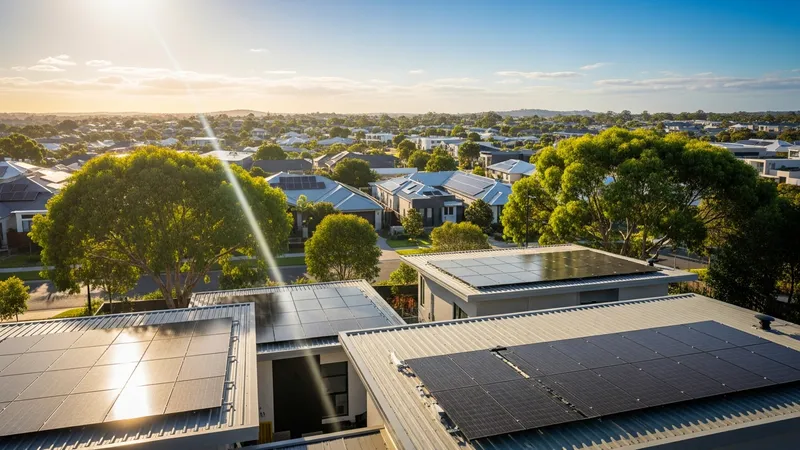
Grid-connected rooftop PV systems enable Australian households to generate a portion of their electricity needs using sunlight. Integration with the grid means that while solar-generated power is used first, any additional requirements are met by the grid supply. The extent of utility bill reduction generally correlates with the system’s size, household energy demand, and times of use compared to solar generation patterns. Local conditions such as roof orientation and shading can also impact overall performance and savings.
Solar battery storage systems have risen in prevalence, providing a way for Australian homes to store solar energy for use during evening hours or on overcast days. Using stored power can reduce purchases from the grid during times when electricity rates are higher, potentially enhancing household savings. However, batteries may add a significant upfront cost and are most effective when closely matched to the occupant’s energy usage profile and the local grid's peak pricing structures.
Feed-in tariff schemes vary across Australian states and territories, influencing the financial return of exporting surplus solar energy. In some regions, generous feed-in tariffs can bolster the cost-effectiveness of investing in larger solar systems, while elsewhere, lower tariffs may make self-consumption of solar power a more favorable approach. Monitoring local regulatory updates is important, as policy changes may affect projected savings over the lifespan of a solar system.
The financial impact of solar energy adoption can be influenced by household energy habits. Homes that consume most of their electricity during daytime hours often make greater use of solar-generated power, directly reducing energy drawn from the grid. In contrast, households with higher energy use in the evenings may see greater benefit from adding battery storage to maximize the onsite use of generated electricity. These patterns illustrate why careful consideration of personal energy needs and regional factors may be helpful when evaluating the potential for solar-associated savings.
In summary, solar energy in Australia presents a structured path for households to offset electricity expenses, with actual outcomes depending on system choices, installation factors, local regulations, and individual consumption patterns. The next sections examine practical components and considerations in more detail.
The capacity of a rooftop PV system, usually measured in kilowatts (kW), determines how much electricity can be generated under optimal conditions. In Australia, typical residential systems range from 3kW to 10kW. Sizing a PV system appropriately is guided by factors such as roof space, the household’s daily consumption profile, and the average solar radiation received at the location. Households aiming for higher proportions of self-generated power may consider larger systems, although the incremental value of adding capacity depends on self-consumption levels and local feed-in tariffs.
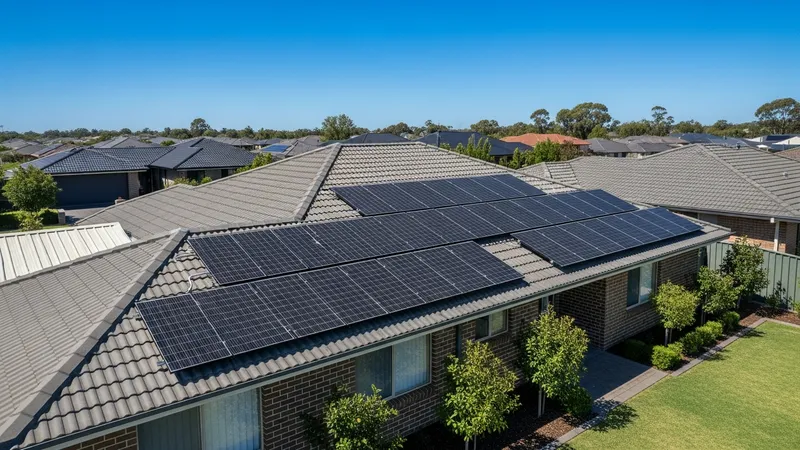
The orientation and angle of solar panels directly affect daily energy yields. In Australia, north-facing roofs commonly offer optimal exposure to sunlight, while incorrect pitch or extensive shading from trees or neighboring structures may reduce system output. Installers utilize site assessments and modeling tools to determine the most effective arrangement for maximizing solar capture based on geographic location and climate conditions.
Inverter technology plays a crucial role in converting the DC electricity generated by solar panels into AC electricity usable in homes. High-efficiency inverters can help reduce electrical losses, improving the effective yield of a PV array. Regular maintenance of both panels and inverters, such as occasional cleaning or software updates, may ensure consistent performance but should be conducted in line with safety regulations and manufacturer guidelines.
System degradation is a measured process where solar panels typically experience a gradual reduction in output over time. In Australia, panels are usually rated to lose about 0.5% to 0.8% of efficiency per year. Over a 20-year lifespan, this can translate to a noticeable, but finite, reduction in energy production. Factoring in expected degradation helps set realistic expectations for long-term bill reductions associated with solar systems.
The decision to add a battery system to a rooftop solar installation is most often influenced by patterns of household energy consumption. In Australia, batteries enable storing solar energy generated during peak sunlight hours for later use, such as in the evening or during grid outages. This can reduce the amount of electricity purchased from the grid, particularly where time-of-use tariffs make energy procurable at higher rates during non-daytime hours.
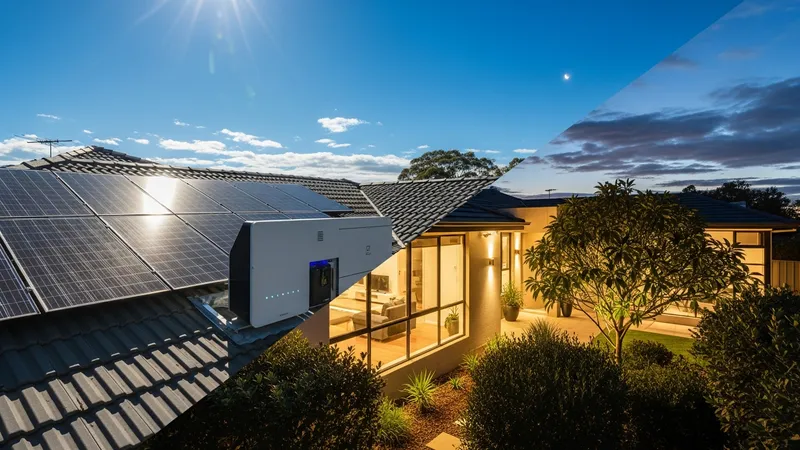
Battery economics in Australia are shaped by up-front purchase and installation costs, expected life cycles, and battery capacity. While initial investment may be substantial, some households may find value in greater energy independence, potential reductions in demand charges, or improved utilization of solar-produced electricity. Cost-benefit outcomes are often highly individual, reflecting the interaction of battery size, home demand profile, and ongoing local energy prices.
Advancements in battery management software can complement physical hardware by optimizing storage and release schedules. Intelligent systems may enable users to prioritize battery use during high-cost grid periods or integrate with smart home applications. In some regions, batteries are eligible for government incentives, which may help offset initial expenses, but these programs can change over time, requiring ongoing attention to policy developments.
The environmental consideration associated with battery storage includes the sourcing, recycling, and disposal of battery components. Common system types used in Australia include lithium-ion and lead-acid batteries, each with distinct performance and lifecycle characteristics. Consumers evaluating battery integration may benefit from reviewing product warranties, typical degradation rates, and recyclability provisions offered by reputable suppliers.
Feed-in tariffs (FiTs) serve as a key regulatory mechanism to support the uptake of residential solar in Australia. These tariffs represent payments or credits by electricity retailers for surplus solar energy exported to the grid. The specific FiT rate is subject to regional energy policy and market conditions, with state governments and regulators periodically reviewing available rates. As of 2023, reported rates commonly fall in the 5–12 cents per kWh range, but consumers should verify current offerings with their local authorities.
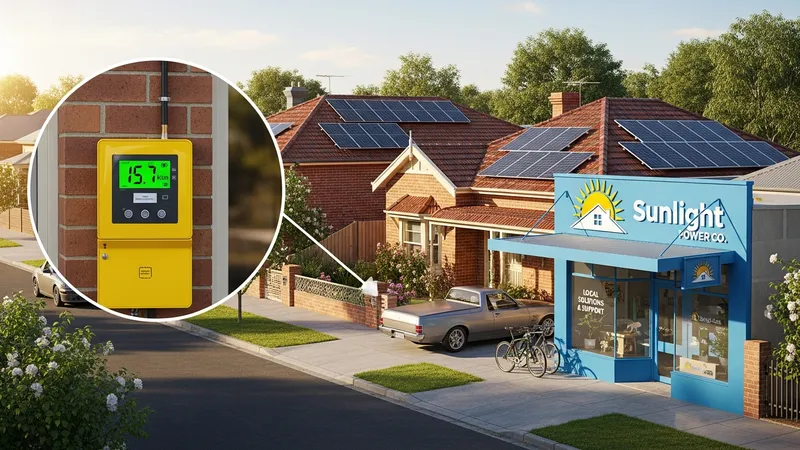
The structure and eligibility for feed-in tariffs may vary. Some Australian states set minimum FiT rates, while others leave these rates to be determined by market competition among energy retailers. Eligibility criteria commonly require that systems be accredited, installed by certified professionals, and comply with local standards. The terms associated with FiT, such as rate duration and the method of credit payment, may differ according to the retailer and jurisdiction.
Reductions in feed-in tariff rates over time have shifted the utility of solar investments towards increasing self-consumption rather than maximizing energy exports. This shift highlights the growing importance of batteries and load-shifting appliances within household solar strategies. Regularly reviewing energy provider offers and adjusting the way energy is consumed may help consumers respond to evolving tariff structures and optimize the practical value of solar.
Australian government agencies, such as the Clean Energy Regulator and state-based bodies, publish resources and guides supporting household understanding of solar regulations. Access to current, neutral information can help ensure compliance and awareness of financial implications. Households are encouraged to use official sources such as energy.gov.au for authoritative and up-to-date regulatory information.
In Australian households, the timing of electricity consumption relative to solar production may influence the degree of savings achieved. Daytime occupancy or the use of appliances during periods of high solar generation often means that a greater portion of generated electricity is used directly onsite, reducing reliance on grid-supplied power. Conversely, households with peak consumption during evenings and nights may find they benefit more from integrating battery storage to capture daytime excess for later use.
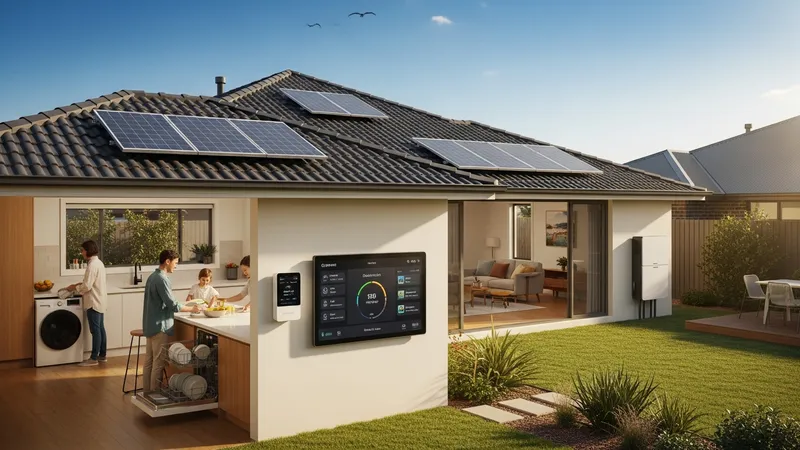
Adopting load-shifting practices, such as scheduling heavy appliance use (e.g., washing machines, dishwashers, water heaters) to align with midday solar output, can further improve self-consumption levels. Some smart meters and home automation systems are designed to assist households in tracking energy production and usage patterns to enable informed adjustments. Understanding these patterns can be especially relevant in environments where feed-in tariffs are comparatively low, and maximizing onsite consumption delivers the clearest value.
Australian climate and seasonal patterns also affect solar performance. While most systems generate more electricity during summer months, winter sunlight hours and cloudy conditions may limit production. Households may observe both monthly and daily variability in solar output, and monitoring technological advances—such as improved panel efficiency or weather-adaptive algorithms—may help manage expectations over time. Consistent performance monitoring is beneficial for identifying and addressing issues that could reduce overall yield.
In summary, households in Australia considering solar solutions have a range of factors to consider, from technical components and battery integration to regulatory settings and usage patterns. Careful analysis of household consumption, local solar resource, and policy frameworks can contribute to more informed expectations of potential bill reductions.