
Planning a wedding away from a couple’s usual residence involves selecting a remote or out-of-town site, assessing available event spaces, and understanding the administrative or practical steps required by the host location. This process typically covers the choice of geographic setting (coastal, urban, rural, mountain), an appraisal of venue types (dedicated event spaces, hotels, private estates), and identification of local rules that affect ceremonies and receptions. The concept centers on aligning venue characteristics with travel logistics, guest needs, and any local permissions that may be required.
Key considerations include seasonal weather patterns, local vendor availability, language and cultural norms, and transportation infrastructure. Planners and couples often review venue capacity, on-site services (catering, accommodation, accessibility), and nearby lodging for guests. Understanding local regulations—such as marriage license requirements, noise ordinances, or permit needs for public spaces—can influence the choice of location and the timeline for confirmations and vendor contracts.
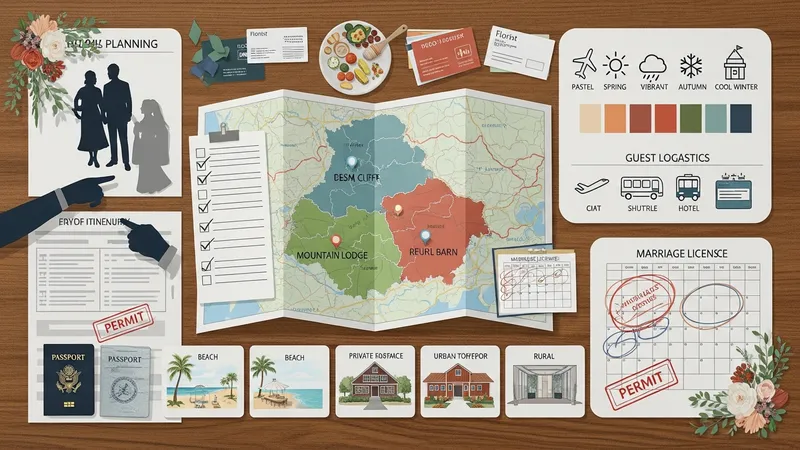
When comparing locations, climate and seasonality often affect ceremony timing and contingency planning. Coastal settings may require wind and storm contingencies, while mountain sites can present temperature and access variability. Venues in urban cores can provide shelter from weather but may have stricter permitting and curfew rules. These environmental and regulatory differences typically influence vendor choices, contract terms, and potential extra costs for weatherproofing or transport.
Evaluating venue capacity and layout is an operational step that may determine the guest list and flow of the event. Indoor venues often include fixed facilities such as kitchens or staging areas, while outdoor sites may need temporary infrastructure (tents, portable restrooms, generators). Accessibility for guests with reduced mobility and local availability of equipment rental can affect suitability. Layout considerations can also guide decisions about ceremony placement, reception seating, and logistics for vendors.
Budgeting for a destination celebration can vary based on travel distances, accommodation needs, and local pricing structures for services. Travel and lodging may represent a significant portion of overall expenses for hosts and guests, and vendors in some areas may charge surcharges for travel or out-of-area service. Currency exchange and local tax regimes can introduce variability, so financial planning often accounts for contingencies and potential permit fees without assuming fixed outcomes.
Local legal and administrative requirements often shape the schedule and paperwork needed before a ceremony. Some jurisdictions may require residency periods, affidavits, or translated documents; others rely on civil or religious officials with specific credentials. Early inquiry into local marriage processes, permit lead times, and the need for witnesses can reduce last-minute complications. Engaging a local contact or coordinator may help interpret requirements, though reliance on local expertise should be considered a practical option rather than a guarantee of outcomes.
In summary, planning a celebration away from a usual residence involves coordinated assessment of setting, venue features, and the local administrative landscape. The factors addressed here—environmental conditions, venue logistics, budgeting variables, and legal requirements—often interact and may influence one another. The next sections examine practical components and considerations in more detail.
Different location types—coastal, rural, mountain, and urban—each present characteristic climate patterns and accessibility implications. Coastal settings may offer mild winter months but can be exposed to storms and high winds at certain times of year; planners typically consider tide schedules and local beach access permissions. Mountain sites may have shorter seasonal windows due to snow and reduced road access, which can affect guest travel. Urban centers often provide more predictable infrastructure and nearby accommodations, though heat islands or city noise may influence scheduling and permit needs.

Seasonal variability often dictates preferred ceremony months and contingency plans. In many regions, shoulder seasons can yield favorable weather and lower accommodation demand, but they may also coincide with reduced vendor availability. Climate considerations may lead to choices such as earlier ceremony times to avoid afternoon heat, inclusion of heating or cooling solutions, or selection of venues with flexible indoor alternatives. These adaptations typically come with associated logistical and cost implications.
Transportation access and proximity to airports or major roads can affect guest arrival windows and the feasibility of same-day vendor deliveries. Remote natural settings can require additional coordination for equipment transport and staff travel, which may extend setup times and influence labor costs. Conversely, locations near major transit hubs can facilitate shorter transfer times but may require coordination around public schedules and local traffic patterns.
Environmental regulations or protected-area rules sometimes restrict event sizes, require special permits, or prohibit certain installations. Locations within national parks, conservation areas, or protected coastlines may apply specific conditions to minimize ecological impact. Understanding these constraints early in planning may inform the selection of a venue with fewer regulatory hurdles or the development of mitigation measures that align with local rules and environmental stewardship practices.
Venue types commonly considered for celebrations away from home include resorts with integrated hospitality services, standalone private estates, and municipal or historic properties. Resorts often provide bundled services such as catering, accommodation blocks, and on-site coordinators; private estates may offer greater privacy but usually require external vendor coordination and temporary infrastructure. Municipal or historic venues can have distinct booking rules and restrictions intended to protect public or heritage assets, and these may affect allowable décor or catering arrangements.
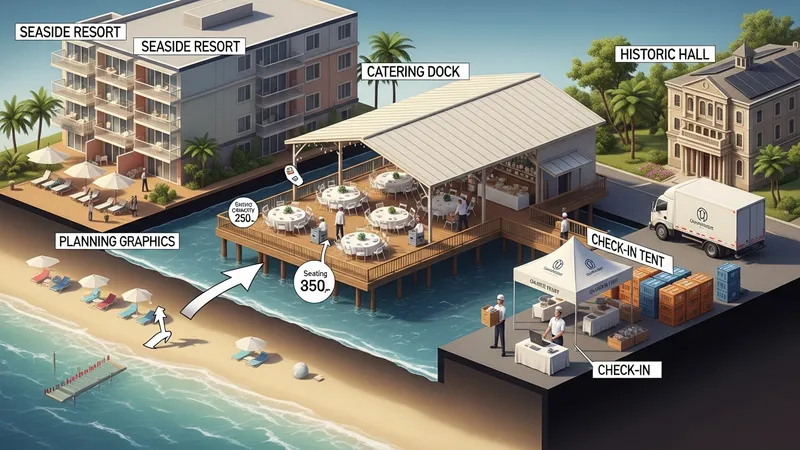
Capacity planning involves assessing seated and standing limits, kitchen and service access, and staging areas for vendors. Venues with fixed seating or narrow service corridors may limit layout flexibility and increase labor time for setup. Outdoor spaces often require temporary structures for weather protection and may need approval for anchoring or ground impact. Considering venue flow—arrival points, restroom proximity, and catering staging—can influence guest movement and timing for event segments.
On-site services such as catering certification, sound systems, lighting, and housekeeping availability can reduce the number of external vendors required. Some venues may maintain exclusive supplier lists or insurance requirements for third-party contractors. Reviewing these service conditions typically helps align expectations for what the venue will provide versus what needs to be sourced externally, and may affect timelines and contractual details.
Preservation rules and venue-specific policies often shape permissible decorations, open flames, and amplified music. Historic properties frequently restrict nailing or drilling into structures and may require protective floor coverings; public venues can have curfews or noise limits enforced by local ordinances. Understanding these policies in advance may reduce the need for last-minute adjustments and can inform choices about staging and entertainment that accommodate venue constraints.
Guest travel logistics typically include lead times for international paperwork, visa checks where applicable, and coordination of group transfers from arrival points to the venue. Guests arriving from different time zones may need staggered arrival recommendations to allow rest before events. Accommodation patterns can vary from block bookings at a hotel to dispersed lodging across multiple properties; each approach can affect guest convenience and the need for shuttle services or wayfinding information.
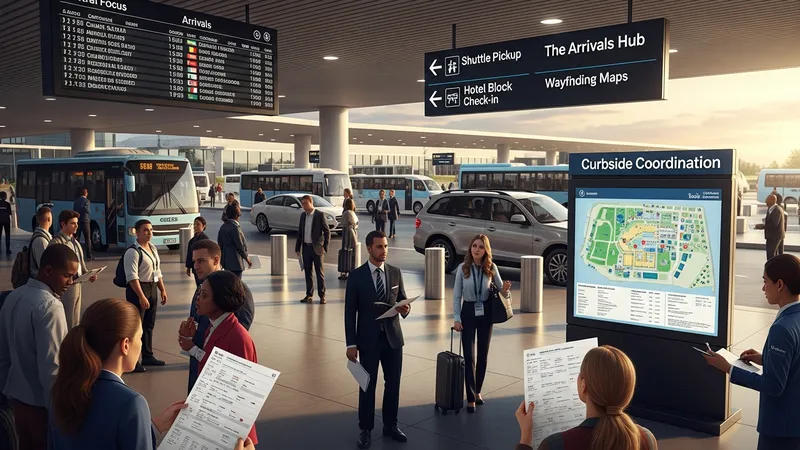
Transportation between ceremony and reception sites can add complexity when venues are geographically separated. Shuttle services, private transfers, or organized carpooling can be arranged to manage transfers, though these options often require advance scheduling and clear timelines. For remote locations without regular public transit, additional time allowances for transfer windows and vendor arrivals are commonly considered to reduce the risk of delays on event day.
Guest communication about local conditions and expectations may include information on weather-appropriate attire, terrain access, and local customs. Providing clear details about arrival times and site accessibility can help guests plan their travel and pack accordingly. Many planners prepare written logistics guides or schedules to reduce confusion, but the presence of such materials should be framed as an informational aid rather than a guarantee of guest behavior or punctuality.
Accommodation budgeting often considers room-block lead times and potential seasonal rate variability. Securing a range of lodging options at different price points can accommodate varying guest budgets, while proximity to the venue can reduce the need for additional transport. When refunds or cancellations are a concern, understanding property policies and possible third-party booking protections may help manage financial variability without promising specific outcomes.
Local legal requirements for ceremonies can include marriage licenses, authorized officiants, required documentation, and witness rules. Some jurisdictions may require certified documents or translations, waiting periods, or in-person appointments at municipal offices. Early verification of these requirements typically allows time for any notarization, translation, or legal filings that may be necessary, and can reduce last-minute administrative obstacles.

Permits for public-space ceremonies, amplified sound, parking controls, or temporary structures may involve municipal application timelines and fees. Lead times for permits can vary by locality and may require submission of site plans, proof of insurance, or vendor credentials. Allowing extra time for permit processing and understanding local submission requirements can help align event timelines with administrative cycles.
Cultural norms and local etiquette often influence ceremony formats, dress expectations, and food service patterns. Awareness of religious or civic observances that coincide with proposed dates can inform scheduling and vendor availability. Engaging with local vendors or cultural liaisons may provide insight into customary practices, though such engagement should be used to inform planning rather than to assume uniform behavior across all attendees.
Legal recognition of foreign marriages differs by country and can affect whether civil or religious components are needed locally versus at home jurisdiction. Couples may assess whether a ceremony abroad will be followed by legal registration at home and plan documentation accordingly. Consulting official local sources for marriage procedures is an informational step commonly recommended to clarify administrative obligations without implying specific legal outcomes.