
Alternative investment platforms in the United States provide ways for individuals and institutions to access non-traditional assets beyond standard stocks and bonds. These platforms typically serve as intermediaries connecting investors with offerings such as private equity, commercial real estate, commodities, and hedge funds. The digital infrastructure streamlines access, reporting, and investment transactions, and may cater to both accredited and, where allowed, non-accredited investors under applicable U.S. regulations.
The operation of these platforms often involves pooled investment structures, regulatory compliance, risk disclosure protocols, and integration with custodians or transfer agents. Due diligence processes, minimum investment thresholds, and liquidity terms vary, with many platforms subject to oversight by regulatory bodies such as the U.S. Securities and Exchange Commission (SEC) or the Financial Industry Regulatory Authority (FINRA). Understanding platform mechanics, fee structures, and reporting standards is key for those considering participation.
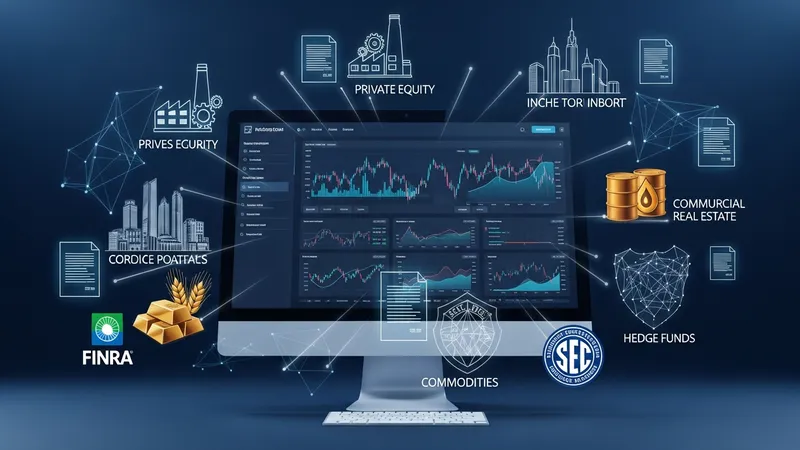
Alternative investment platforms in the United States may use a variety of structures. For example, Fundrise often operates through eREITs, while Yieldstreet uses private placements. These designs typically affect aspects such as liquidity, potential returns, and risk profiles. Regulations may mandate investor qualifications, disclosures, and independent audits to help ensure transparent operations.
Investors using these platforms often encounter specific risk factors. Market risk, asset liquidity, valuation uncertainty, and operating risks of the platforms themselves can influence outcomes. Reporting mechanisms, such as investor dashboards and periodic statements, are common, but standards may differ across platforms and asset types.
Due diligence practices are an essential aspect of platform participation. U.S. alternative investment platforms must usually provide access to offering documents and related disclosures. Minimum investment requirements can pose barriers for some, though many services are expanding access incrementally through regulatory exemptions or innovative fund structures.
Costs for participating in U.S. alternative investment platforms may include management fees, performance fees, and administrative expenses. These can impact net outcomes. Carefully reviewing the fee models and understanding their application is prudent for those evaluating such offerings.
In summary, alternative investment platforms in the United States are steadily evolving. Their operational structures, regulatory requirements, and asset offerings vary, presenting investors with diverse options and considerations. The next sections examine practical components and considerations in more detail.
Alternative investment platforms in the United States employ various structures to facilitate participation in non-traditional assets. For example, real estate platforms like Fundrise organize offerings as eREITs or eFunds, pooling capital from many investors to purchase or manage property portfolios. Yieldstreet creates special purpose vehicles (SPVs) to segregate individual investment offerings, which may focus on real estate debt, art, or litigation finance assets. Masterworks securitizes individual artwork pieces by issuing shares in Delaware-based limited liability companies representing each artwork. These arrangements often determine liquidity, regulatory oversight, and investor rights.

The chosen investment structure typically influences the legal protections and disclosure requirements for investors. Platforms employing registered investment vehicles may fall under the Investment Company Act of 1940, requiring regular filings with the SEC and independent audits. Unregistered private placements are usually accessible to accredited investors and provide less frequent reporting, but must still adhere to Regulation D rules. Each structure presents differing timelines for investment exits, with some locking capital for several years depending on asset type and management approach.
Liquidity constraints are a common characteristic among alternative investment platforms. Unlike public exchange-traded assets, positions in private equity, commercial real estate, or fractional artworks may involve multi-year holding periods. Fundrise sometimes offers quarterly redemption windows at manager discretion, while other platforms restrict liquidity until underlying assets are liquidated or holdings are sold. Disclosures typically outline these timelines and associated risks, assisting investors with understanding their commitments.
Transparency in investment structure is maintained through offering documents, risk disclosures, and investor communications. U.S.-based platforms are generally required to provide Form ADV or Form D filings, as well as private placement memorandums detailing asset specifics, risk factors, and fee schedules. These measures support informed participation, though actual experiences may vary based on platform, offering type, and regulatory status.
Assessing risk is integral to engagement with alternative investment platforms in the United States. Platform users may face risks tied to the underlying asset class, such as property value fluctuations in real estate or authenticity concerns with artwork. Operational risks—including platform solvency, data security practices, or custodial arrangements—also play a role. Regulatory risk exists, especially for offerings navigating new U.S. securities exemptions or pilot programs.

Due diligence processes on these platforms can include review of relevant offering documents, track records, third-party audits, and fee schedules. For example, platforms transacting in art, such as Masterworks, often provide independent appraisal certificates, provenance records, and regular portfolio updates. Platforms like Yieldstreet may offer details on borrower underwriting procedures, asset backing, and default rates for debt-based investments. Scrutiny of disclosure material is a routine step in the platform-based investment process.
Platforms are required to adhere to the Know Your Customer (KYC) and Anti-Money Laundering (AML) programs under U.S. law. These may involve identity checks, accreditation verification, and transaction monitoring. Investors should expect to provide supporting documentation as part of the onboarding process. The presence and enforcement of such protocols may impact the perceived integrity and transparency of a given platform.
Many U.S. alternative investment platforms facilitate ongoing monitoring of investments through online dashboards and regular reports. While disclosures and reporting standards can differ, mechanisms often include updates on asset performance, expense breakdowns, and major operational changes. This approach aims to balance accessibility with information transparency, although the variety of reporting practices may affect comparability across platforms.
Fee models for U.S. alternative investment platforms can vary significantly depending on asset class, platform, and structure. Management fees are common and are typically charged annually as a percentage of assets under management. For example, Fundrise participants may pay approximately 0.15% in advisory fees and 0.85% for asset management annually. Masterworks charges a 1.5% annual management fee plus 20% of profits upon sale of artwork—this carried interest may be typical for art investment vehicles.

Transaction fees or performance-based fees may also apply. Platforms like Yieldstreet can assess origination or administrative fees, sometimes deducted from the initial investment. Performance fees are usually contingent on the realization of profits, such as when an asset is sold at a gain. Prospective investors should review official platform disclosures for full fee breakdowns and timing of deductions, as typical expenses can have material effects on net results.
In addition to explicit platform fees, users may encounter indirect costs such as fund administrative charges, legal expenses, or transfer agent fees. These costs can be described in private placement memorandums or offering circulars provided during the investment process. Comparing total expense ratios across platforms and asset types is an important consideration, though available data may be more limited for private or non-registered offerings.
Fee transparency regulations in the United States continue to evolve. Securities regulators may require standardized disclosure of all direct and indirect fees, and enforcement actions have increased where inadequate transparency is observed. This regulatory environment encourages platforms to publish clear, itemized fee schedules, contributing to better-informed investor decisions and market practices.
The regulatory landscape for alternative investment platforms in the United States is shaped by laws such as the Securities Act of 1933, the Investment Advisers Act of 1940, and state-level "blue sky" laws. Offerings involving private placements often fall under SEC Regulation D, with investor eligibility contingent on accreditation status. Platforms registered with FINRA or operating under Regulation A may provide broader access but are also subject to more detailed reporting, disclosure, and audit requirements.

Investor protection mechanisms are embedded via mandatory risk disclosures, regular reporting, and event notices. Platforms commonly deliver quarterly or annual reports detailing asset valuations, financial statements, and updates on relevant market events. In some cases, platforms are required to provide independent audits, though private offerings may only offer reviewed or internally prepared statements. This framework aims to balance access with transparency and risk awareness.
Electronic reporting is standard for most U.S. platforms, utilizing secure dashboards for document access and transaction histories. Investors may review offering documents, investment agreements, and ongoing statement updates online. Platforms often maintain support channels for investor inquiries, reflecting regulatory emphasis on clear and timely communications regarding transaction status and asset performance.
Changes in U.S. securities regulations may impact platform operations and investor experiences. For instance, the loosening of crowdfunding regulations under the JOBS Act allowed more non-accredited investors to participate in certain private offerings within prescribed limits. As the market evolves, regulatory focus remains on disclosure standards, custodial practices, and operational resilience, encouraging some platforms to adopt enhanced verification and transparency processes.