
Specialized hospitals that focus on cancer care bring together clinical services, diagnostic capabilities, and supportive programs under a single organizational structure. These facilities typically emphasize coordinated care for people with malignant disease, combining diagnostic imaging, pathology, and specialty clinical teams to plan and deliver therapies. The concept centers on integrating multiple disciplines—medical oncology, surgical oncology, radiation oncology, nursing, and allied health—to address the clinical and practical needs that arise during a patient’s course of treatment.
In addition to direct treatment delivery, such hospitals often maintain systems for care coordination, data collection, and quality monitoring. They may host multidisciplinary case reviews, maintain electronic records that support care transitions, and provide links to research activities such as clinical trials. The institutional role extends beyond procedures to include patient education, symptom management services, and links with community resources to support continuity of care over time.
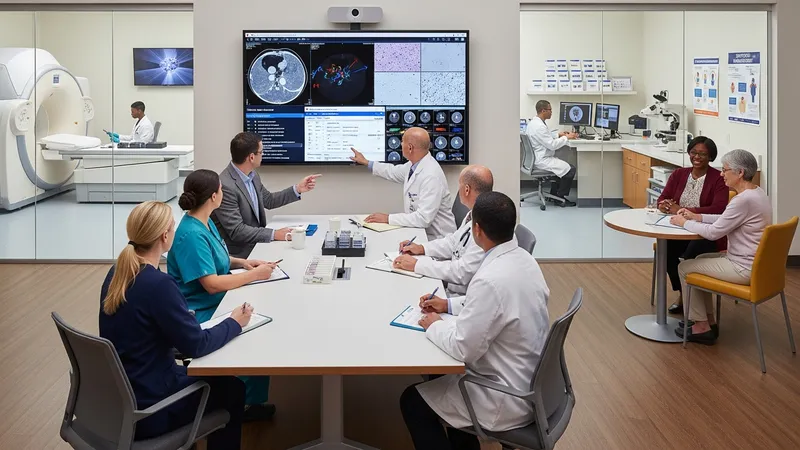
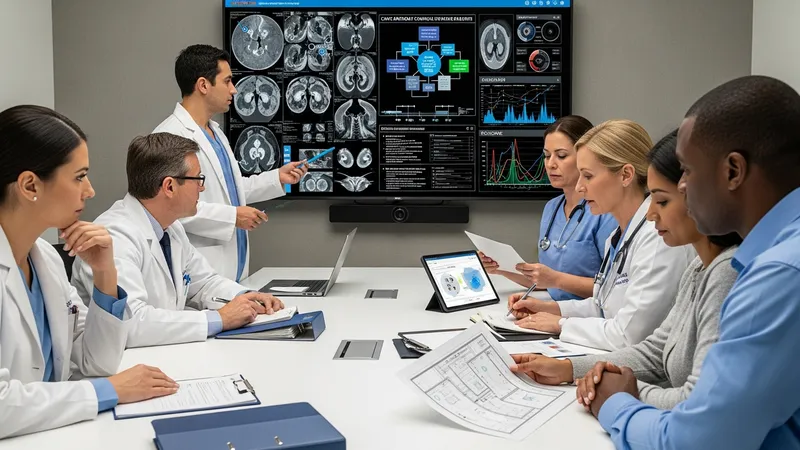
Multidisciplinary tumor boards serve as a core coordination mechanism and may include input from genetic counselors or rehabilitation specialists when relevant. These meetings typically review diagnostic imaging and pathology reports to align recommendations across specialties, which can help clarify staging and treatment sequencing. Participation patterns and frequency vary by institution; some centers convene weekly for common disease types and as needed for complex or rare presentations. The process often aims to create a consensus plan that patients may discuss with their clinicians, rather than prescribing a single standardized pathway.
Specialized treatment units combine trained personnel with equipment and protocols tailored to particular modalities. Radiation therapy suites may include planning software and machines for external beam therapy or brachytherapy, while infusion centers may follow procedures for safe administration of systemic agents and monitoring. Staffing commonly includes specialist physicians, oncology-trained nurses, medical physicists, and technologists. Facility design and workflow typically emphasize infection control, symptom monitoring, and coordination between scheduling and clinical assessment.
Supportive services within cancer-focused hospitals address a range of nonprocedural needs. Palliative symptom management teams often focus on pain, nausea, fatigue, and other physical concerns, while psychosocial services may provide counseling, peer support groups, or caregiver resources. Rehabilitation and nutrition services commonly assist with functional recovery and treatment-related side effects. Access to these services varies by center size and resources; larger institutions often provide more on-site options, while smaller centers may refer externally or use telehealth to extend support.
Many cancer hospitals also engage in research and quality measurement. Clinical trial programs may be organized by disease site or therapeutic modality and can provide options for patients seeking investigational approaches under ethical oversight. Quality programs typically track process measures such as time to diagnosis or adherence to guideline-recommended staging workups, and patient-reported measures that capture symptom burden and functional status. Such activities are intended to inform institutional practice and may contribute to broader evidence, recognizing that availability and scope differ among centers.
Overall, facilities focused on oncology care combine clinical treatments, diagnostic services, and supportive programs to address the complexity of cancer care delivery. They may vary in size, specialization, and the range of services offered, and individuals exploring care options can look for features that align with their clinical and practical needs. The next sections examine practical components and considerations in more detail.
Cancer-focused hospitals and centers can take different organizational forms, such as stand-alone specialty institutions, oncology departments embedded within general hospitals, or community-based oncology clinics affiliated with larger systems. Departmental organization often includes medical oncology for systemic therapies, surgical oncology for tumor-directed procedures, radiation oncology for ionizing-radiation treatments, pathology for tissue diagnosis, and radiology for imaging. Each department typically has defined clinical roles and pathways that interact through referral, shared records, and multidisciplinary meetings to support coordinated decision-making.
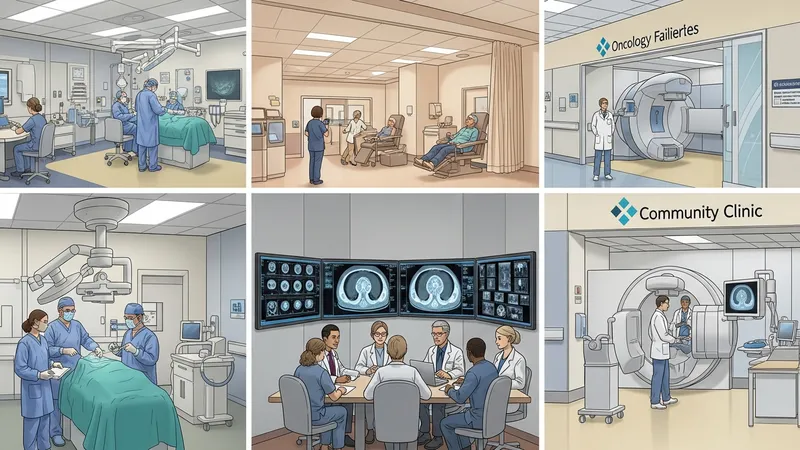
Staffing models commonly include specialist physicians, advanced practice providers, specialty-trained nurses, pharmacists, medical physicists, and allied health professionals such as dietitians, social workers, and physical therapists. Administrative units often handle scheduling, patient navigation, and outpatient infusion logistics. The degree of centralization varies: some centers maintain disease-site programs (breast, lung, gastrointestinal) with dedicated teams, while others use more generalized oncology teams that collaborate as needed. These structures can influence referral patterns, wait times, and access to disease-specific expertise.
Accreditation, certification, and participation in registries or quality collaboratives may be part of institutional profiles. These mechanisms can indicate that a hospital follows defined processes for diagnostics, multidisciplinary review, and safety standards, though the specific meaning of accreditation differs by program and region. For patients and clinicians, awareness of such credentials may serve as one piece of information about institutional processes; it is typically one of several considerations rather than a sole determinant of care suitability.
When assessing organizational fit, practical considerations may include geographic access, appointment scheduling, and the ability to coordinate across specialties within a single visit or via telehealth. For clinicians, internal referral pathways and communication tools such as electronic health records influence how efficiently teams can align care. These operational features often affect the patient experience and the logistical burden of attending multiple appointments, and they may be discussed with administrative or care coordination staff as part of planning.
Cancer hospitals typically provide a range of clinical modalities that address tumor biology and symptoms. Systemic therapies may include traditional cytotoxic agents, targeted pharmaceuticals that act on specific molecular pathways, and immune-based treatments that modulate host response; each modality has unique indications, scheduling patterns, and monitoring requirements. Radiation therapy services often encompass treatment planning, image guidance, and delivery techniques that can be tailored by dose, fractionation, and target volumes depending on clinical goals and safety constraints.
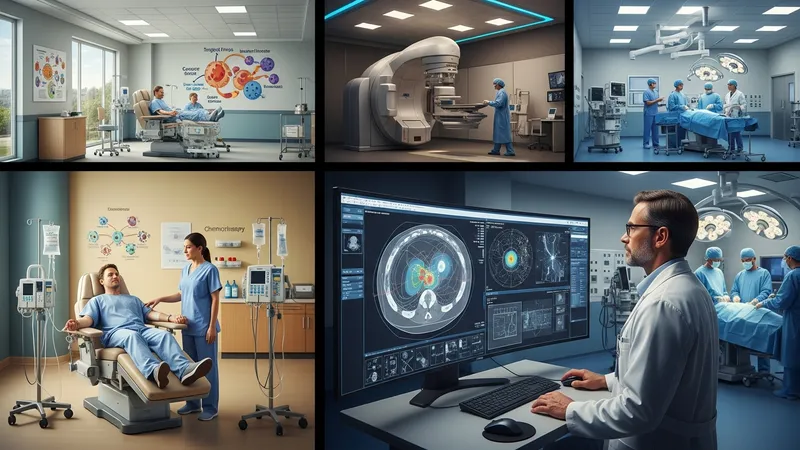
Surgical oncology services range from diagnostic biopsies and minimally invasive resections to complex procedures involving multiple organ systems and reconstructive techniques. Operating teams may coordinate with anesthesiology, intraoperative pathology, and perioperative rehabilitation services. The selection of surgical approach is typically discussed within a multidisciplinary context to align with staging information, patient factors, and the overall treatment plan. Postoperative care pathways may include enhanced recovery practices and targeted rehabilitation.
Diagnostic and laboratory services form the foundation of treatment planning. Imaging modalities such as CT, MRI, PET, and ultrasound provide anatomic and metabolic information that aids staging and response assessment. Pathology and molecular testing can characterize tumor subtype and identify biomarkers that inform systemic therapy selection or eligibility for specific clinical trials. Turnaround times and the range of available tests differ among centers and can affect how quickly treatment decisions are finalized.
Supportive clinical elements such as symptom management clinics, infusion centers, and on-site pharmacy services contribute to the day-to-day delivery of therapies. Safety systems for medication preparation, infusion monitoring, and radiation planning are integral operational components. The availability of combined-modality care—surgery plus systemic therapy or radiation—depends on institutional capacity and scheduling coordination, which may influence the timing and sequencing of interventions for individual patients.
Supportive care services in cancer-focused hospitals address a broad set of physical, emotional, and practical needs that arise during care. Palliative symptom management typically focuses on relief of pain, nausea, dyspnea, and related concerns without implying cure; the goal is to maintain comfort and function. Psychosocial resources commonly include counseling, peer support groups, and programs for family or caregiver education. The scope and format of these services vary; some centers integrate them into routine visits while others provide referral-based access.
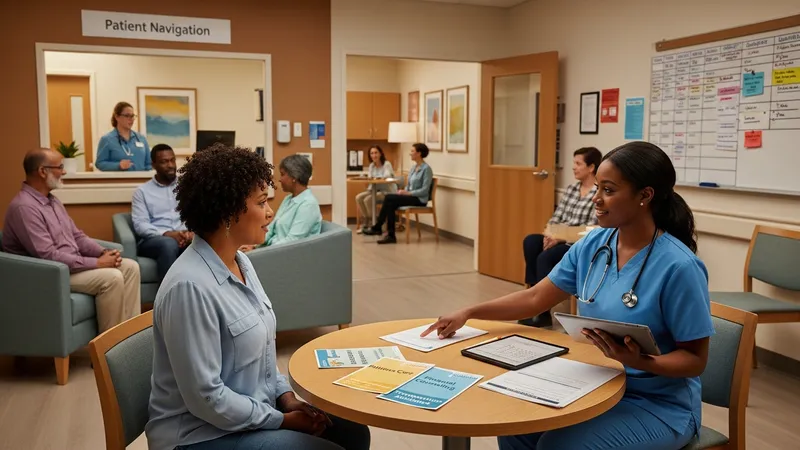
Patient navigation services aim to help individuals and families move through diagnostic, treatment, and follow-up stages by coordinating appointments, clarifying test results, and linking to community resources. Navigators may be nurses, social workers, or trained lay personnel who assist with scheduling and information flow. Navigation programs often address logistical barriers such as transportation or work-related concerns and may help connect patients with financial counseling and insurance-navigation staff when cost-related questions arise.
Rehabilitation and survivorship programs support recovery of function and quality of life after or during active treatment. Physical and occupational therapy can address mobility, strength, and daily living activities, while speech and swallowing therapy may be relevant for certain disease sites. Survivorship services frequently include monitoring for late effects, care transition planning, and health promotion discussions. The structure of survivorship programs differs widely; some centers offer multidisciplinary survivorship clinics, whereas others provide individualized follow-up plans.
Cultural competence and language-access services are important considerations within supportive care. Hospitals may offer interpreter services, translated materials, and culturally adapted education to improve communication and understanding. These offerings influence how well care teams convey complex information about diagnostics, treatment options, and side-effect management, and they are often integral to shared decision-making processes between clinicians and patients.
When evaluating options for oncology care, individuals may assess clinical breadth, such as the availability of multidisciplinary teams, diagnostic services, and specialized treatment modalities relevant to their diagnosis. Access to clinical trials and research activities can vary by center and may be of interest to some patients; trial availability typically depends on institutional focus areas and regulatory approvals. Practical considerations such as travel distance, appointment scheduling, and coordination among specialists often influence the feasibility of receiving care at a particular facility.
Transparency around clinical processes and quality measurement may help inform choices. Many hospitals publish information about program organization, accreditation, and quality initiatives; these materials can describe how multidisciplinary reviews are conducted, which disease-site teams exist, and whether standardized pathways are used. Patient-reported experience measures and institutional outcome reporting differ in format and scope, so they are typically interpreted alongside direct conversations with care teams about expected pathways and monitoring plans.
Support services and logistics are important practical factors. Availability of on-site supportive programs—such as symptom management clinics, rehabilitation, psychosocial counseling, and care navigation—may reduce the need to coordinate multiple external referrals. Insurance coverage, billing practices, and cost-related counseling services vary regionally, and many centers provide staff to help patients understand coverage limits and options; these conversations are typically framed as informational rather than directive.
Finally, communication and continuity of care are central considerations. Clear channels for follow-up, mechanisms for obtaining second opinions or external consultations, and the ability to share records across treating providers can affect the overall care experience. Individuals exploring hospital options may inquire about how multidisciplinary recommendations are communicated to patients, how follow-up is scheduled, and what resources exist to support transitions between inpatient, outpatient, and community-based care settings.