
Construction safety programs represent organized frameworks designed to reduce workplace hazards and protect the health and well-being of employees on job sites. These initiatives are typically governed by official standards, such as those provided by national occupational safety agencies, and may integrate specific policies, training, equipment usage guidelines, and supervisory procedures. The core intent of a construction safety program is to create an environment where risks are systematically identified, monitored, and controlled throughout all project phases.
A comprehensive safety program involves planning, implementation, monitoring, and continual improvement. Key elements often include formal hazard assessments, explicit safety policies, employee training sessions, personal protective equipment protocols, and incident reporting systems. By documenting procedures and responsibilities, construction safety programs aim to foster a culture of shared accountability while aligning with regulatory requirements. Successful implementation can be influenced by project scale, local legal frameworks, and the resources available to management and teams.
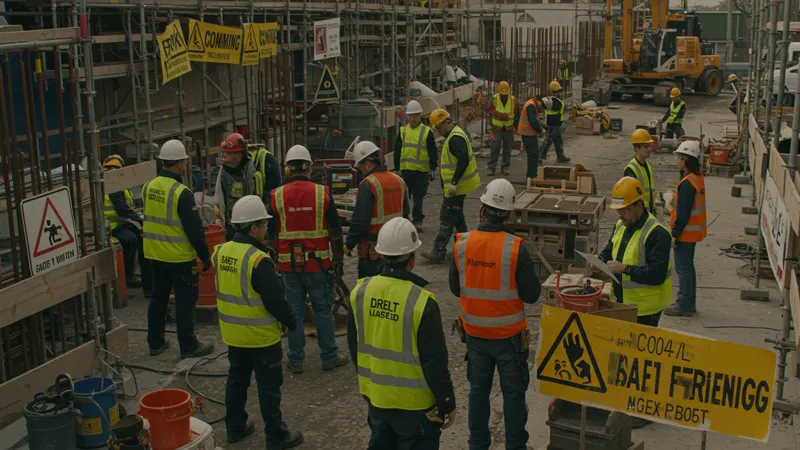
Key elements of safety training in construction programs often address unique occupational hazards, including working at heights, machinery exposure, and hazardous materials handling. Training programs can be delivered via in-person sessions, digital coursework, or hybrid models. Industry standards highlight the importance of regular refresher modules to maintain awareness and adapt to evolving site conditions. Many jurisdictions recommend annual or bi-annual revisions of training content to align with current regulations.
Personal protective equipment protocols form another essential component of construction safety programs. Requirements may vary by project scope and location, but typically include helmets, gloves, goggles, and high-visibility apparel. Organizations implement protocols to ensure equipment is readily available, properly fitted, and regularly inspected. Documentation standards can play a crucial role in verifying PPE compliance and help facilitate audits by regulatory bodies.
Incident reporting systems are fundamental for capturing unsafe events and informing ongoing safety improvements. Digital solutions may provide real-time data collection, customizable forms, and analytic dashboards to help organizations identify patterns over time. In contrast, paper-based tracking can be suitable for smaller projects with limited resources. Regular analysis of reported incidents enables management to identify root causes and implement targeted interventions to prevent recurrence.
A transparent selection of safety program elements enables organizations to prioritize efforts based on risk profiles, legal obligations, and available resources. Integrating these components with broader safety management systems may help foster continual improvement. The specific configuration of a construction safety program often reflects industry practices, technological availability, and stakeholder expectations.
Understanding the essential elements and their implementation sets the groundwork for practical application. The next sections examine practical components and considerations in more detail.
Policy frameworks establish the fundamental requirements and standards that guide construction safety programs. These frameworks often draw from governmental or industry bodies, such as OSHA in the United States, to ensure that company policies align with minimum acceptable practices. Comprehensive safety policies define the responsibilities of managers, supervisors, and workers, and specify expectations for work conduct, hazard recognition, and emergency procedures. Written frameworks add clarity and facilitate consistent enforcement across diverse project sites.
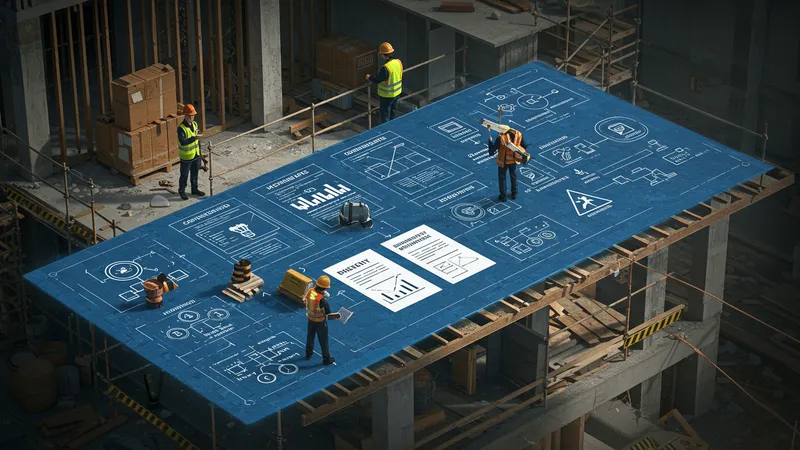
Standard safety policies may include guidelines for equipment usage, site access controls, and procedures for reporting unsafe conditions. Many organizations expand their frameworks to address project-specific risks, such as confined space entry or electrical hazards. Management typically reviews policies on a periodic basis, updating language and requirements to reflect regulatory changes or lessons learned from incident investigations. Policy frameworks serve as reference points for training and disciplinary processes.
Implementation strategies for policy adherence can range from regular safety meetings to visible signage and checklists displayed at key locations on site. Policy communication is often supported through orientations, briefings, and the distribution of manuals or digital resources. Organizations may use audits and site inspections to verify compliance, identifying areas for improvement and reinforcing policy expectations. Documentation of policy dissemination and employee acknowledgment is an important component of regulatory compliance.
Policy frameworks also frequently address risk assessment requirements, including the use of hazard identification tools and job hazard analyses (JHA). By embedding these requirements in formal policy, organizations can ensure systematic evaluation of risks before work begins. Regular policy reviews and structured implementation approaches help to create a proactive, rather than reactive, safety culture in construction projects.
Hazard identification is a proactive element of construction safety programs, emphasizing the need to detect potential dangers before incidents occur. Common methods include pre-task planning, site walkthroughs, and using structured tools such as checklists or digital inspection apps. Organizations may adopt these practices to systematically evaluate areas such as scaffolding, trenches, and electrical systems, looking for conditions or behaviors that could result in harm. Prompt hazard recognition is crucial for effective risk control.
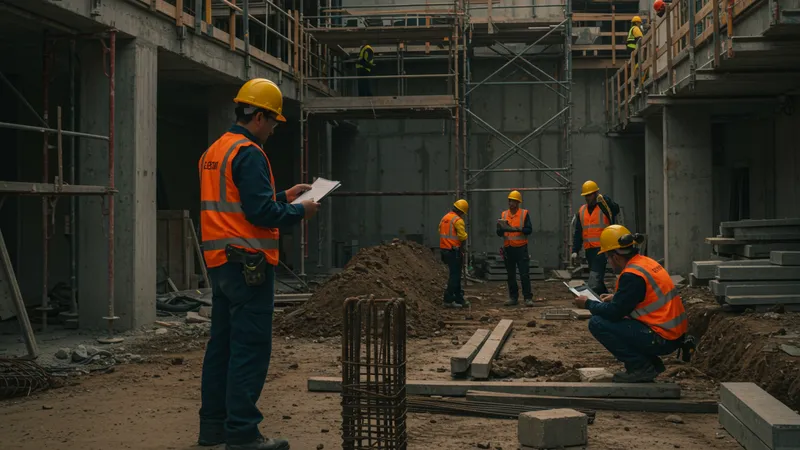
Risk assessment builds upon hazard identification by evaluating the likelihood and potential severity of adverse events. Teams may conduct job hazard analyses or use formal risk matrices to prioritize mitigation strategies. Factors considered typically include project phase, workforce experience, environmental conditions, and recent incident history. Documenting risk assessments allows for ongoing tracking and accountability. This process can help stakeholders allocate resources effectively to the most significant risks.
Implementation strategies for hazard and risk evaluation often involve collaborative approaches. Crew members, safety officers, and supervisors may participate in regular safety briefings where hazards and planned controls are discussed. Digital reporting tools can facilitate timely sharing of observations and enable analysis of trends across multiple job sites. Some organizations supplement these efforts with third-party audits for additional perspective and potential benchmarking against industry norms.
Effective hazard identification and risk assessment practices are closely tied to regulatory expectations. In the United States, OSHA Standards (29 CFR 1926) outline employer responsibilities related to hazard recognition and mitigation. Regular documentation and review of these practices can support compliance efforts and may enhance an organization’s safety performance over time.
Education and training are foundational aspects of any construction safety program, serving to equip workers with the knowledge and skills necessary to operate safely. Organizations commonly use a mix of classroom-based instruction, on-site demonstrations, and computer-based modules when introducing new employees or providing refresher sessions. Instructional content generally covers topics such as safe equipment operation, use of PPE, recognizing hazards, and emergency response procedures. The aim is to build a competent workforce capable of identifying and controlling risks.
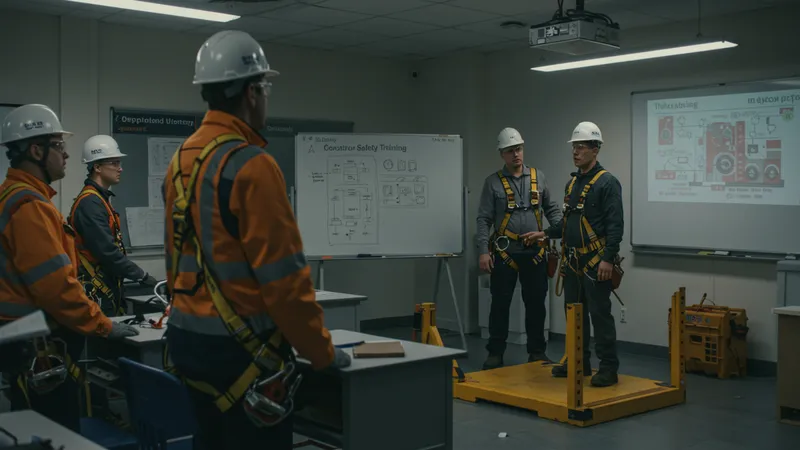
Training requirements may vary depending on regional standards, project specifics, or crew composition. In the United States, employers are often guided by OSHA’s General Industry and Construction training standards, which recommend periodic refresher courses and verification of competency. Some organizations utilize third-party training providers or certified instructors, while others opt to develop customized in-house modules to reflect unique site conditions or specialized equipment.
Competency development extends beyond initial training through ongoing assessments and skills validation. Supervisors or safety professionals may observe work tasks and conduct verbal or written evaluations to confirm retention and understanding. In certain sectors, documentation of training and competency checks is required for regulatory or insurance purposes, serving as evidence that workers have received appropriate instruction. Records management systems can support tracking and retrieval of credentials and incident histories.
Innovative approaches to training, such as interactive e-learning, virtual reality simulations, or scenario-based exercises, are becoming more common in large-scale projects. These methods may help increase engagement, accommodate different learning preferences, and simulate real-world challenges in a controlled environment. The effectiveness of training initiatives is typically evaluated through monitoring of incident rates and feedback from participants, facilitating continuous improvement of program content and delivery methods.
Monitoring and reporting mechanisms are core to sustaining effective construction safety programs. Organizations typically implement regular site inspections, safety audits, and observation routines to verify compliance with safety protocols. These activities may use standardized checklists, mobile inspection apps, or direct supervision. Findings from monitoring are documented and reviewed as part of routine project safety meetings, enabling timely identification of areas needing corrective action.
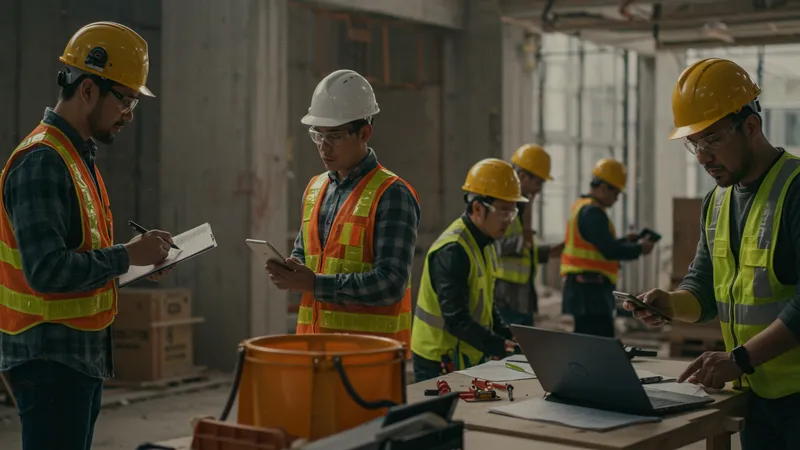
Incident reporting systems, whether digital or paper-based, allow for consistent documentation of workplace incidents and near-misses. Structured forms capture key information about the nature, timing, and conditions of each event. This data serves multiple purposes: it can highlight recurring challenges, inform root cause analysis, and provide evidence for regulatory reporting requirements. Transparency in incident reporting may also foster a culture where workers feel empowered to voice concerns and share observations.
Continuous improvement strategies involve analyzing data from monitoring and reporting processes to enhance safety outcomes. Safety committees or designated officers review trends, evaluate the effectiveness of implemented controls, and identify opportunities for adapting existing policies or training. Benchmarking against industry averages, legal requirements, and previous internal performance are common benchmarks in these evaluations. Continuous improvement is often documented in the form of periodic management reports and revised action plans.
Advances in data analytics and reporting technology may increase the timeliness and accuracy of safety performance monitoring. Integrating leading and lagging indicators—such as participation in safety meetings, completion of training modules, and frequency of reported near-misses—could help organizations anticipate and mitigate risks more proactively. Maintenance of comprehensive records supports organizational learning and demonstrates ongoing commitment to workplace safety.