
The cosmetic supply chain describes the network of activities, organizations, and resources involved in transforming raw materials into finished cosmetic products and delivering them to consumers. This process may include the sourcing of ingredients, manufacturing, packaging, quality control, distribution, and retail. Each stage is governed by regulatory compliance and industry standards to ensure the safety and reliability of the end product.
Understanding the cosmetic supply chain may offer insight into how products like skincare, makeup, and fragrances move from initial formulation to store shelves. The process typically begins with ingredient procurement, involves several layers of processing and transportation, and concludes with availability at points of sale. Each phase requires careful coordination between parties such as suppliers, manufacturers, logistics providers, and retailers to maintain product consistency and regulatory alignment.
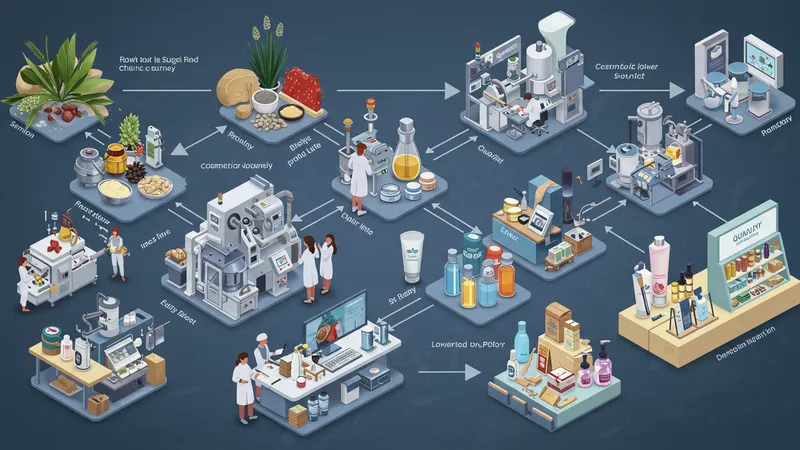
The cosmetic supply chain often relies on broad networks of suppliers and contract manufacturers, each specializing in one or more phases of production. For instance, ingredient suppliers may focus exclusively on plant-based extracts, while packaging companies can offer various design and material options. This segmentation allows for expertise at every stage, but also requires stringent coordination and traceability.
Ingredient testing and regulatory review are central to maintaining product safety. Third-party laboratories are often used to verify ingredient purity and ensure compliance with cosmetics regulations. This process can add time and cost but generally helps prevent issues that may arise from non-compliance, such as product recalls or import restrictions.
Distribution networks may include multiple intermediaries, such as wholesalers, logistics companies, and retailers. Each link introduces additional considerations, including transportation conditions (e.g., temperature sensitivity), inventory management, and packaging durability. These factors can affect delivery speed and product integrity, requiring close oversight throughout.
Emerging trends in the cosmetic supply chain include sustainability and transparency. Companies may adopt environmentally responsible sourcing, biodegradable packaging, or clear labeling of ingredient origins in response to consumer demand and evolving standards. Implementing these changes often involves additional investment, but may align with broader industry and societal movements toward greater accountability.
In summary, the cosmetic supply chain encompasses complex, interconnected processes critical for bringing cosmetic products to market. Each stage, from ingredient sourcing to customer feedback, contributes to the overall reliability and perception of cosmetic brands. The next sections examine practical components and considerations in more detail.
Ingredient sourcing is a foundational step in the cosmetic supply chain, involving the identification and procurement of core raw materials. These materials may include plant extracts, synthetic compounds, essential oils, and minerals. Sourcing decisions can be influenced by factors such as quality, ethical considerations, and supplier reliability. Initial processing typically involves refining, blending, or concentrating these inputs for consistency before they are delivered to manufacturers.
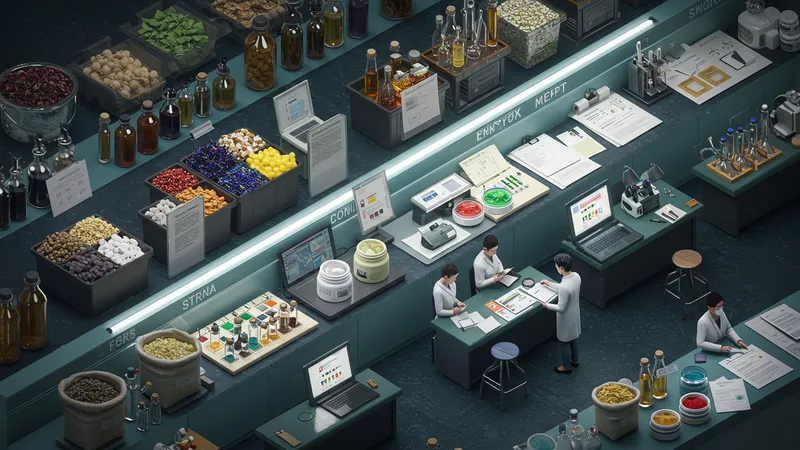
Quality control procedures often begin at the sourcing stage. Suppliers are generally required to provide documentation on material origin, purity, and grading. Some companies choose to work with certified or accredited suppliers to reduce the risk of contamination or supply chain disruption. This traceability helps cosmetic brands verify compliance and maintain consumer confidence, especially for products marketed as natural or organic.
The geographic origin of ingredients can play a role in cost, availability, and lead time. For instance, certain oils or botanicals may only be found in specific regions, requiring advance planning and risk management for seasonal variability or trade issues. Many brands conduct supplier audits and maintain secondary sources to address potential shortages.
Initial processing may also include steps such as filtration, distillation, or extraction to prepare ingredients for formulation. These activities are typically performed in controlled environments to maintain product integrity. Adherence to industry standards and documentation of processes are important for smooth hand-off to downstream manufacturing partners.
Once raw materials arrive at manufacturing facilities, they are combined according to precise formulations designed by cosmetic chemists. This stage involves blending, homogenizing, and, when necessary, heating or cooling ingredients to form stable emulsions or solutions. Large-scale equipment can process hundreds to thousands of units per batch. Manufacturers typically keep detailed records for batch traceability and quality management.
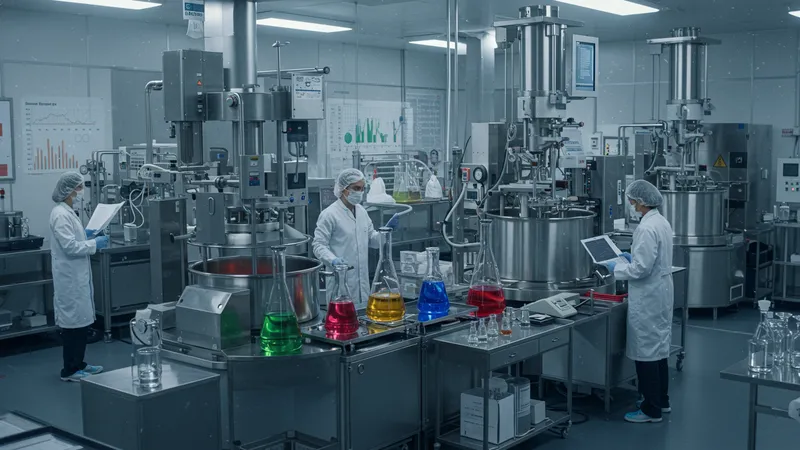
Quality assurance is an ongoing aspect of the cosmetic supply chain during and after production. Samples are taken throughout manufacturing runs for laboratory analysis, ensuring conformity with specifications and regulatory requirements. Batch release frequently depends on passing physical (e.g., viscosity, texture) and microbiological safety tests, as outlined in codes of practice like ISO 22716 for cosmetics.
Formulation strategies may take into account market needs, ingredient compatibility, and regulatory considerations. Some products may incorporate specialized delivery systems, encapsulated actives, or preservatives intended to extend shelf life. These choices may affect formulation costs and processing times, requiring coordination between R&D and production planning teams.
Waste management and sustainability practices are increasingly considered in this phase. Many manufacturers seek to minimize waste or recycle non-hazardous materials in alignment with environmental goals. Implementing such initiatives may require certification, documentation, and potentially additional audit steps in the supply chain.
Packing and labeling are vital steps toward preparing cosmetics for market. Packaging must protect contents from contamination and damage during storage and transport, while labeling must communicate ingredients, usage instructions, and regulatory disclosures. Designers may collaborate closely with regulatory teams to ensure packaging and labeling comply with relevant laws and standards.
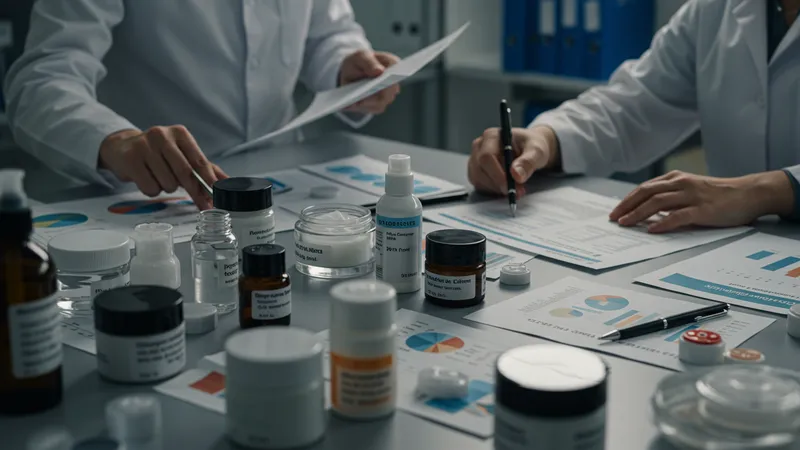
Packaging materials can range from glass and plastic to eco-friendly alternatives such as biodegradable polymers. Selection is often guided by product type (e.g., cream, serum, powder), consumer preferences, and brand positioning. Packaging suppliers may offer custom molds, decoration, and security features to deter counterfeiting.
Labeling must typically meet strict guidelines regarding font size, ingredient nomenclature, usage directions, and language requirements. Non-compliance can result in regulatory penalties or product withdrawal. Some countries also require unique batch codes for traceability, which aid in recalls and market surveillance if safety issues arise post-distribution.
The regulatory review process acts as the final gatekeeper before product release. Regulatory professionals compile documentation on formulation, ingredient safety, and proof of claims for review by relevant authorities or third-party certifiers. This stage helps ensure that products reaching consumers meet legal and quality standards, fostering trust and accountability in the supply chain.
Distribution involves moving finished cosmetic products from manufacturing sites to retail locations or e-commerce warehouses. Logistics providers may offer services such as temperature-controlled storage, inventory tracking, and customs clearance for international shipments. Effective distribution management can impact delivery times and reduce inventory-related costs or spoilage risks.

Retail placement is another critical element of the supply chain. Brands may work with established retailers, online platforms, or direct-to-consumer models. Shelf space negotiations, merchandising, and digital product listings are handled in this stage to maximize visibility and accessibility for end customers. Retailers may set requirements for packaging durability and compliance documentation.
Sustainability and transparency are growing focus areas within the cosmetic supply chain. Efforts may include sourcing renewable materials, verifying cruelty-free claims, or adopting carbon-reduction initiatives throughout manufacturing and transport. Companies may also participate in industry programs or obtain certifications that demonstrate their commitment to environmental and ethical standards.
Finally, the customer feedback loop plays an important role in informing future supply chain improvements. Brands collect input on product performance, packaging functionality, and user experience, using data to refine sourcing, manufacturing, and distribution practices. Accurately capturing and acting on feedback may help companies adapt to emerging trends and regulatory expectations while maintaining competitiveness in dynamic markets.