
Debit card fraud prevention involves a systematic approach to identifying risks and implementing protective measures to help reduce unauthorized access and transactions. In Mexico, this process is centered around understanding typical fraud scenarios that affect debit card users, such as card skimming, phishing attacks, and unauthorized digital transactions. The core objective is to provide frameworks that enhance security protocols and help minimize fraudulent activities while respecting user privacy and data protection standards.
Protective measures in this context usually encompass transaction monitoring, multi-factor authentication, and consumer education on safe usage practices. These mechanisms operate through the collaboration of financial institutions, payment processors, and regulatory bodies to ensure the implementation of controls suited for various transaction environments, including physical point-of-sale terminals and online platforms.

Transaction monitoring systems can track daily activities and detect anomalies that deviate from a consumer’s usual behavior. These systems often incorporate machine learning to adapt to emerging fraud patterns, though their effectiveness depends on data quality and integration at the banking institution level. In Mexico, centralized monitoring is enhanced through cooperation under the National Banking and Securities Commission (CNBV) guidelines.
EMV chip implementation has become a standard preventive measure across Mexican banks, typically involving an additional verification step at retail terminals. This technology helps reduce magnetic stripe-related fraud but may not completely eliminate risks related to online or card-not-present transactions.
Two-factor authentication methods are increasingly promoted by Mexican banks to complement physical card security. Mobile banking applications usually offer these features to confirm transactions through separate devices, providing an added layer of security, albeit with considerations regarding usability and access barriers for some users.
Consumer awareness programs by the Banco de México and private institutions aim to educate cardholders on phishing attacks, fake SMS alerts, and the safe handling of PINs. These initiatives are designed to increase vigilance and reduce the likelihood of social engineering frauds that often bypass technical controls.
Overall, debit card fraud prevention in Mexico illustrates a multi-layered approach that combines technology, monitoring, and user engagement to maintain security. These elements work collectively within a regulated framework that adapts to evolving threats. The next sections examine practical components and considerations in more detail.
In Mexico, the detection of unauthorized debit card usage often relies on advanced transaction monitoring systems implemented by financial institutions. These systems typically analyze transaction volumes, geographical data, and spending patterns to identify suspicious activities. The Banco de México plays a regulatory role in setting standards for such systems, encouraging interoperability and data sharing where legally permitted.

Monitoring solutions can vary in complexity, ranging from basic threshold-based alerts to more sophisticated machine learning models that adapt to user behavior changes. Mexican banks operating in urban and rural settings may encounter specific challenges related to data connectivity and transaction heterogeneity, impacting detection efficacy.
Financial institutions also often employ real-time alert services that notify users via SMS or email when certain transaction parameters are met, providing an opportunity for quick response to potential fraud. These alerts are especially used in metropolitan areas such as Mexico City, where digital transaction volumes are higher.
Despite these technical measures, detection systems depend on timely user feedback to confirm or deny flagged transactions. Consumer cooperation, combined with bank response protocols, forms part of an ecosystem working toward fraud mitigation in Mexico’s debit card ecosystem.
Authentication methods in Mexico seek to establish the identity of the cardholder in various transaction contexts. EMV chip cards have become widespread across ATMs and point-of-sale terminals, providing encrypted communication that may reduce risks of cloning compared to traditional magnetic stripe cards.
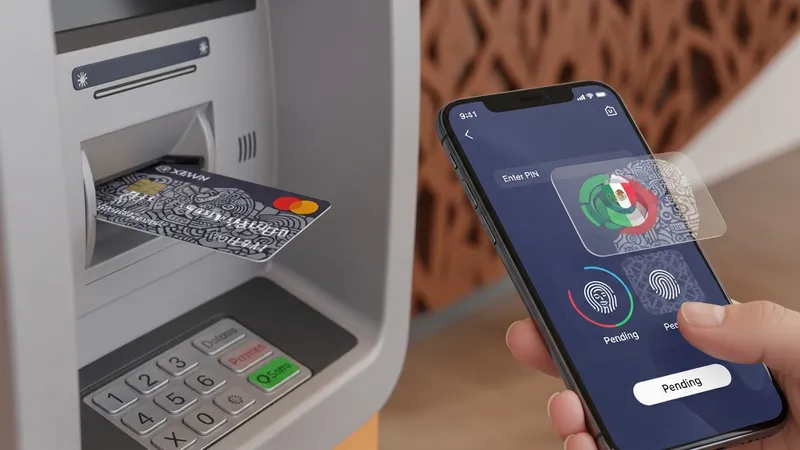
Additional layers of authentication may include PIN codes, biometric verification (where supported by mobile apps), and token-based authentication systems. Some Mexican banks integrate biometric options such as fingerprint or facial recognition within their mobile banking solutions for transaction approval.
Two-factor authentication (2FA) increasingly complements physical card security by requiring an additional verification step. In Mexico, this often manifests through OTPs (One-Time Passwords) sent via SMS or generated by secure banking apps, applicable particularly in online transactions or mobile fund transfers.
Limitations in authentication can arise due to disparities in technology adoption across regions, as some users may not have access to mobile or internet-based verification methods. Addressing these challenges is a focus within Mexico’s regulatory discussions around financial inclusion combined with security.
Consumer awareness efforts in Mexico focus on informing cardholders about common fraud tactics and recommended preventive practices. Banco de México maintains campaigns detailing how to recognize phishing attempts, avoid sharing PINs, and report suspicious transactions promptly.
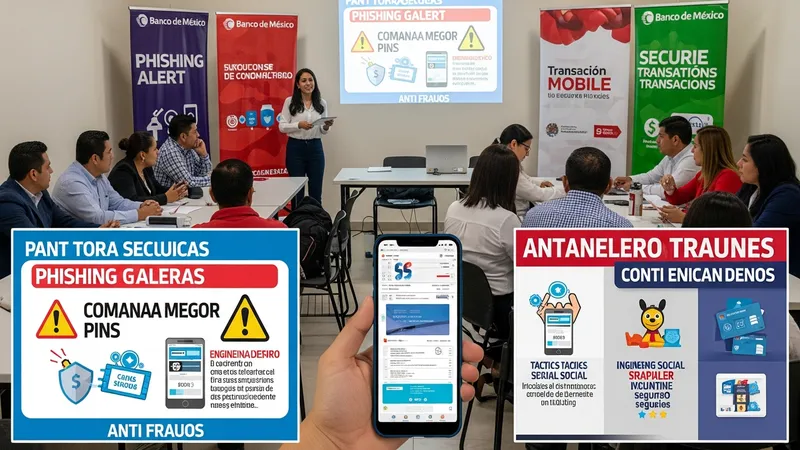
Educational materials and workshops provided by banks highlight risks posed by social engineering and encourage safe online behavior, including monitoring account statements regularly. These programs often emphasize vigilance particularly during online shopping and mobile transactions, which have increased significantly in recent years.
Awareness initiatives also encourage the use of official bank communication channels and warn against responding to unsolicited messages that request sensitive information. Such strategies aim to complement technical fraud prevention controls by reducing successful attempts at deception.
Consumer education is particularly relevant given the diversity of Mexico’s population, requiring materials and outreach to be accessible in different languages and formats. Collaboration between regulators, banks, and consumer organizations helps tailor these efforts effectively.
The prevention of debit card fraud in Mexico is supported by a regulatory framework that establishes security standards and compliance requirements for financial institutions. The Comisión Nacional para la Protección y Defensa de los Usuarios de Servicios Financieros (CONDUSEF) provides guidelines on consumer rights related to fraud and mechanisms for dispute resolution.
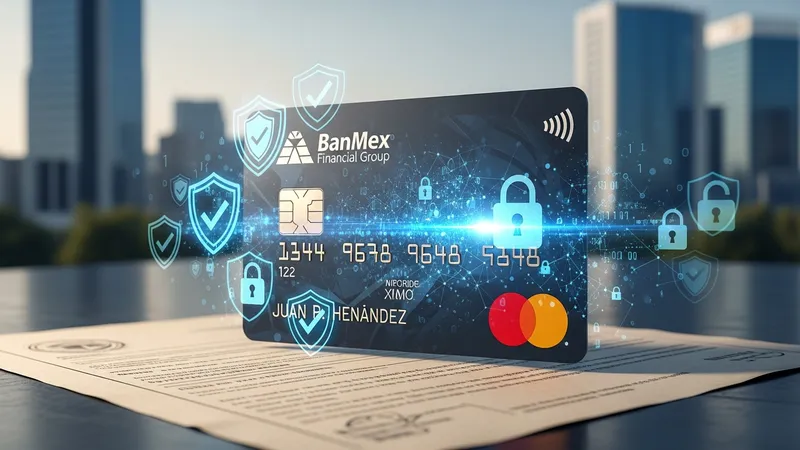
Banco de México also issues operational regulations addressing transaction security, requiring institutions to adopt safeguards such as EMV chip implementation and monitor fraud risks regularly. These regulations align with international financial security practices adapted to local risk profiles.
Collaboration among banks, payment networks, and regulatory bodies involves intelligence-sharing initiatives and joint actions to respond to emerging fraud threats. The Mexican financial industry periodically updates standards based on data collected from reported fraud cases and technological developments.
This collective approach facilitates continuous improvement in fraud detection and prevention methods, balancing risk management with consumer protection while considering the diverse conditions in the Mexican financial services landscape.