
Dental implant solutions are commonly used in Australia to replace missing teeth. These systems work by anchoring an artificial tooth to the jawbone, typically using a titanium or zirconia post. In recent years, developments in implant technology have introduced two distinct types: screwless (also known as cement-retained) and traditional (screw-retained) implants. Each approach presents its own procedural characteristics and considerations regarding durability, cost, and long-term maintenance.
Screwless dental implants rely on adhesives to secure the replacement tooth (crown) to the underlying abutment, creating a smooth external appearance without visible screw access. Traditional dental implants, by contrast, use a mechanical screw to attach the crown, which can allow for straightforward removal and maintenance by dental professionals. Both techniques are overseen by dental practitioners who evaluate patient suitability according to local health guidelines and clinical needs.
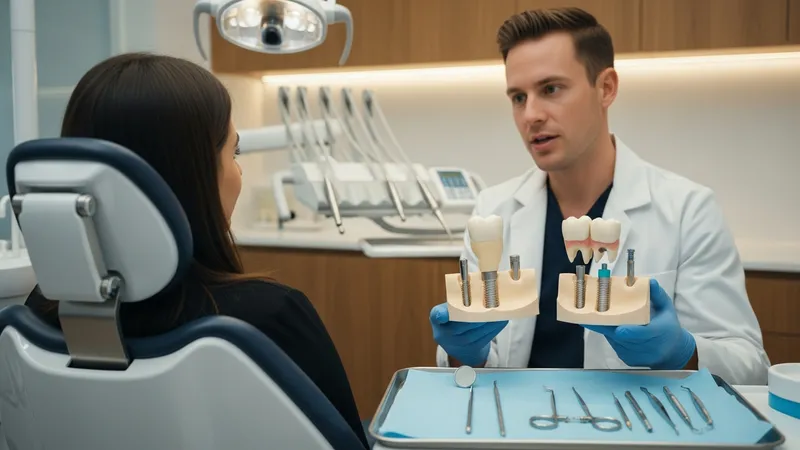
Both screwless and screw-retained implants serve as tooth replacement methods frequently offered by dentists in Australia. The choice between these options can depend on factors such as gum health, bone availability, and the specific position of the missing tooth. Cement-retained solutions are noted for their aesthetic appearance due to the absence of access holes, while screw-retained options typically enable easier retrieval for cleaning or repairs.
The initial cost of dental implants in Australia may vary depending on the type chosen, the number of teeth replaced, and the materials used. According to available resources, typical costs for a single implant can range from AUD $3,000 to $6,500 per tooth, including crown placement. Patients are typically encouraged to consult with a dental professional for tailored assessments and to discuss which system aligns with their dental structure and long-term needs.
Maintenance is another important factor in implant selection. Screw-retained crowns can often be accessed or replaced by practitioners without affecting the underlying implant, whereas cemented options may require more involved procedures if removal is necessary. Both systems, however, require regular care and check-ups in accordance with standard dental health practices in Australia.
Dental practitioners in Australia may follow guidelines from organizations such as the Australian Dental Association and the Australian Health Practitioner Regulation Agency (AHPRA) when providing implant procedures. Patients are usually informed about the materials, expected longevity, and potential follow-up requirements for each type of implant system before proceeding with treatment.
Overall, the decision between screwless and traditional dental implants in Australia may depend on clinical evidence, patient-specific circumstances, and practitioner experience. The following pages examine the methods, procedural steps, durability concerns, financial aspects, and ongoing maintenance in further detail.
The placement process for screw-retained implants in Australia usually begins with a surgical procedure to embed a titanium or zirconia post into the jawbone. After a healing period—often several months to allow bone integration—the crown is attached using a specially designed screw. This method enables future access to the implant through the crown, if professional intervention is needed.
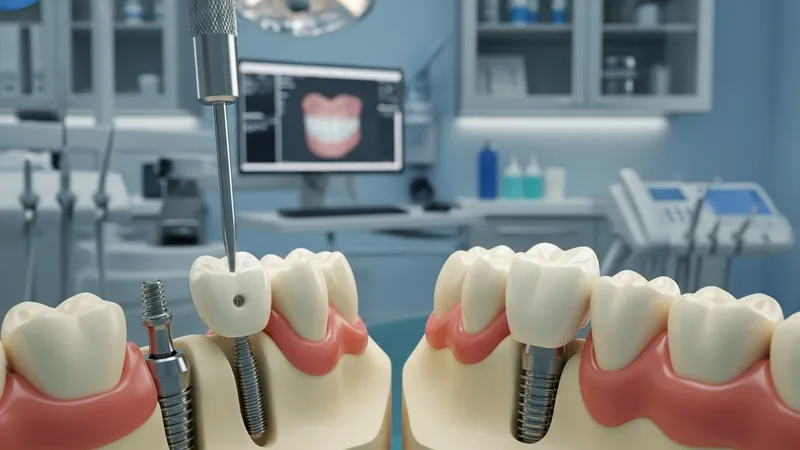
Screwless, or cement-retained, implant procedures follow a similar initial surgical approach. The post and abutment are positioned within the jawbone, but instead of screwing the crown into place, dental cement adheres the prosthetic tooth to the abutment. This often produces a seamless look, as there are no visible screw holes in the surface of the tooth.
Hybrid implant systems used in some Australian clinics may combine these elements. For example, a screw-retained abutment is placed first, and a crown is cemented on top. This variation can suit complex cases where both stability and aesthetics are important considerations.
Local dental professionals in Australia assess patient eligibility through diagnostic imaging, medical history evaluation, and discussions of factors like bone density. All major steps are performed under regulated clinical conditions, in alignment with standards set by the Australian Dental Association and related bodies.
The longevity of both screwless and traditional dental implants in Australia generally depends on factors such as the patient’s oral hygiene, systemic health, and the quality of bone supporting the implant. Scientific literature reports that, when maintained appropriately, implant-supported crowns may last between 10–20 years or longer. Experts often highlight the importance of routine follow-up appointments to monitor implant stability and gum health.
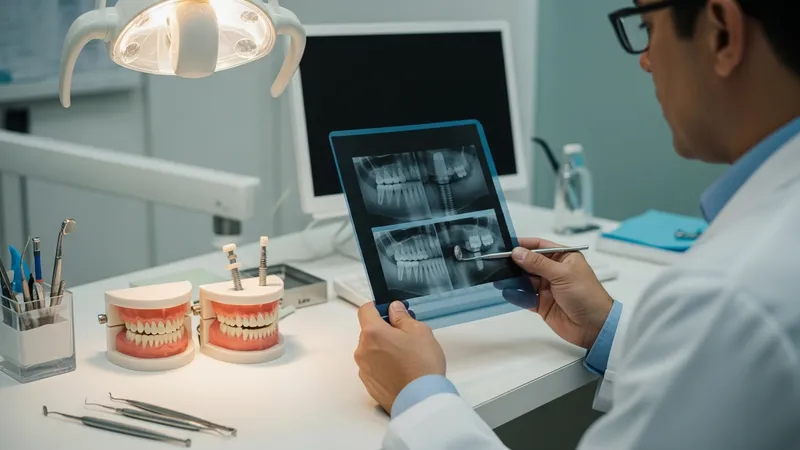
Screw-retained implants are sometimes preferred for their ease of retrieval. Dentists can typically remove and replace the crown without disturbing the implant fixture beneath. This approach may support straightforward repairs in the event of crown fracture or wear, potentially reducing disruption to surrounding tissues.
Screwless (cement-retained) implants, while valued for their aesthetics, require careful cementation. Retained dental cement below the gum line can increase the risk of local inflammation. As a result, dental professionals in Australia are trained to use specialized materials and techniques to minimize this risk and promote safe outcomes.
Material selection also influences durability. Australian implant providers commonly use titanium or zirconia due to their biocompatibility and strength, in line with regulatory guidance from institutions such as the Therapeutic Goods Administration (TGA). Patients are typically advised of the expected lifespan of their chosen system and provided with instructions for care tailored to the specific implant type.
The cost structure for dental implant procedures in Australia takes into account initial consultations, surgical placement, laboratory work, and the prosthetic crown. For screw-retained implants, the component costs may include a precision abutment and specialized screws. These additional elements can influence overall fees but may facilitate easier, future adjustments.
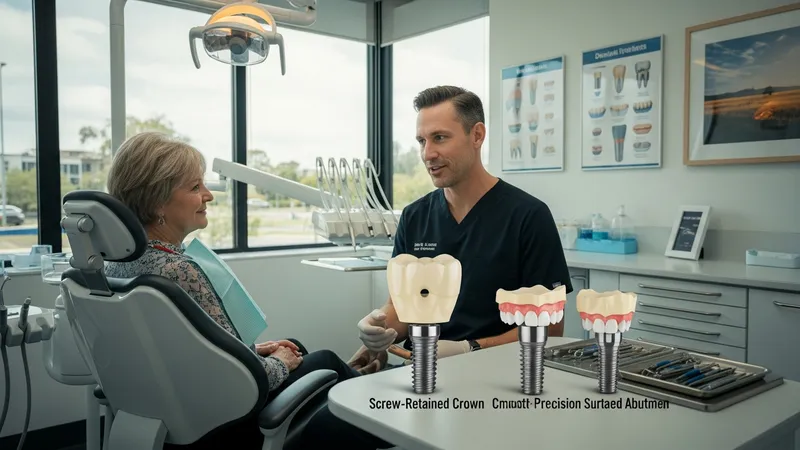
Cement-retained implant crowns typically involve laboratory fabrication and the use of approved dental cements. While they may offer a smoother appearance, their removal may necessitate extra time and procedures, which could affect long-term maintenance costs. Many Australian dental practices provide detailed estimates before beginning any implant procedure, guided by the Australian Dental Association recommendations for transparency.
Hybrid implant systems, although less common than standard screw or cement options, can sometimes involve additional custom components, potentially impacting both initial and follow-up costs. The decision about which implant system to use is most often made after careful consultation, with consideration given to the specific clinical scenario and patient preferences.
Public dental coverage in most Australian jurisdictions does not routinely subsidize dental implants, so patients may need to fund treatments privately or through insurance extras cover. Patients are advised to confirm policy details with insurance providers, as coverage can vary depending on individual insurance agreements and implant type.
Post-placement care is a crucial aspect of ensuring the longevity of both screwless and traditional dental implants. Australian dental practitioners usually recommend routine check-ups—often twice a year—to assess implant integration, surrounding gum health, and early detection of potential complications. Cleaning techniques, such as using interdental brushes and non-abrasive toothpaste, are commonly advised.
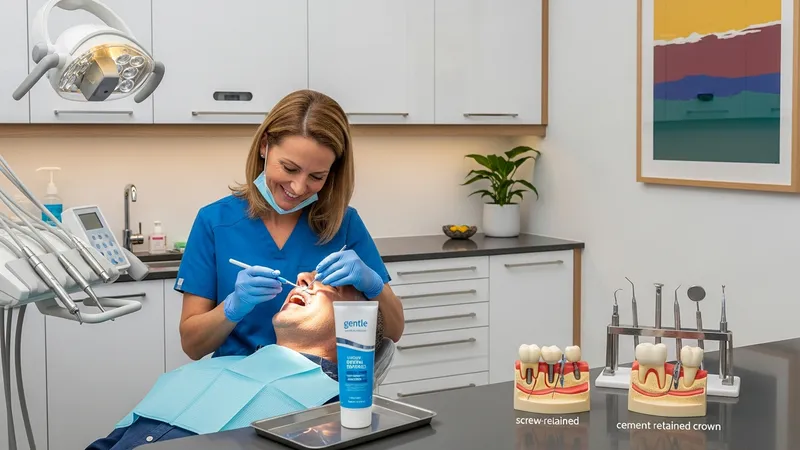
Screw-retained crowns may typically allow dental professionals to access underlying components with minimal intervention, making the process of repair or maintenance more straightforward. Cement-retained crowns require careful handling when removal is needed, as the bond between the crown and abutment is designed to be permanent. Clinical protocols are followed to minimise risk and maintain the integrity of the implant structure during such procedures.
The Australian Dental Association and state-based regulatory agencies provide guidelines for safe dental implant maintenance. Patients are informed about the signs of gum inflammation or mechanical wear and encouraged to report concerns promptly, supporting early intervention and ongoing oral health.
By understanding these maintenance requirements and the clinical pathways available in Australia, patients and providers can work together to preserve dental implant function over time. Informed maintenance plans typically reflect Australian standards and individual patient needs, contributing to predictable outcomes within regulated practice settings.