
Drug-induced dyskinesia is a term that refers to the development of abnormal, involuntary movements which may occur as a reaction to certain medications. These movement patterns can include repetitive motions, twitching, or writhing and are typically associated with changes in the nervous system. Dyskinesia of this kind is often considered a complication related to long-term or high-dose use of specific drugs, particularly those that influence pathways in the brain responsible for motor control.
The onset of drug-induced dyskinesia is generally influenced by several variables including the drug’s chemical profile, how long an individual has been exposed, dosage amounts, and individual biological factors. Understanding this phenomenon requires focus on neurological mechanisms, specifically how certain substances may disrupt the balance of neurotransmitters that orchestrate coordinated muscle activity.

Medication-induced movement disorders such as dyskinesia are not limited to a single drug class but are most frequently reported among patients exposed to antipsychotic and dopamine-acting medications. These drugs, depending on their mechanism of action, can potentially disrupt normal inhibitory and excitatory signals in the brain resulting in uncontrolled muscle activity after extended usage. Not all individuals using these medications experience dyskinesia, but risk may rise with certain patterns of use.
The specific involuntary movements observed in drug-induced dyskinesia may vary in pattern, location, and severity. Some common manifestations include repetitive facial movements, tongue protrusions, or jerky limb motions. Clinical observation and careful documentation are typically necessary to distinguish these effects from those caused by underlying neurologic disease or other conditions.
Several key risk factors may contribute to the likelihood of developing drug-induced dyskinesia. These include patient age, individual pharmacogenetic differences, history of prolonged medication exposure, and cumulative dosages. Older individuals and those with pre-existing neurological changes may be particularly susceptible, although cases have been described across all age groups.
Ongoing research continues to clarify how different drug types and neurological susceptibilities combine to affect the risk and presentation of dyskinesia. Studies have taken into account the role of neurotransmitter pathways, receptor sensitivity, and molecular changes that occur with repeated drug exposure. While the exact mechanisms remain under investigation, scientific consensus suggests that complex interactions rather than single causes are involved.
In summary, drug-induced dyskinesia represents a well-documented phenomenon characterized by involuntary movements associated with medicine use, particularly those affecting dopamine transmission. The following sections will examine factors such as medication characteristics, risk assessment, and contributory biological mechanisms in greater detail.
Drug-induced dyskinesia is most frequently linked to several major categories of medications. Antipsychotic agents, especially the earlier formulations, are widely described as contributing factors. These drugs function by blocking dopamine receptors in the brain, a process that may disrupt the regulation of movement signals when prolonged. Dopamine-acting medications, used for some neurological conditions, also alter brain chemistry in ways that can precipitate dyskinetic symptoms with extended use or dosage changes.

Levodopa and dopamine agonists are standard treatments for certain motor disorders and are known for their effectiveness in alleviating motor symptoms. However, these agents may also give rise to involuntary movements with continued therapy. The phenomenon is thought to result from fluctuations in dopamine availability and changes in receptor responsiveness over time. Clinical observation often reveals dyskinesia developing after months or years of ongoing exposure.
Antiemetic medications, particularly those categorized as dopamine antagonists, have been documented in relation to dyskinetic reactions as well. These drugs are designed to inhibit dopamine-mediated signaling that triggers nausea but may inadvertently disturb pathways responsible for motor coordination in some individuals. The risk is generally considered higher with extended or repeated courses, although cases can occur with acute exposure depending on susceptibility.
Recognition of these associations has led to increased monitoring of movement side effects among those routinely prescribed such agents. Clinicians may utilize standardized rating scales or encourage patient self-reporting to detect early signs of involuntary motion. Understanding which medication classes are more frequently associated with dyskinesia supports informed decision-making and ongoing risk assessment in diverse clinical settings.
The risk of developing drug-induced dyskinesia can differ greatly depending on individual characteristics and patterns of medication use. Age is an important factor, as older adults may exhibit greater sensitivity to the neurological effects of dopamine-altering substances. Additionally, genetic predispositions affecting drug metabolism or receptor function may influence risk. These pharmacogenetic factors are being studied for their potential role in predicting which individuals are more likely to experience movement abnormalities.

Duration and cumulative dosage of the implicated drug appear to be significant contributors to the emergence of dyskinesia. Prolonged use or administration of higher total doses is often linked with increased rates of involuntary movements, though cases have also been reported following short-term or moderate exposure. This variability illustrates the complexity of drug response and the importance of tailored therapeutic regimens.
Other notable susceptibility factors include past history of neurological illness, previous adverse motor reactions to medication, and co-occurring conditions that modify brain structure or signaling. For example, individuals with underlying neurodegenerative processes may be at heightened risk. Specific population studies suggest a broad spectrum of presentations, further underscoring the multifactorial nature of this drug-related phenomenon.
Risk mitigation strategies typically focus on close monitoring, gradual dose adjustments, and periodic reevaluation of therapy. Collaboration between clinician and patient regarding side effect awareness is critical for early identification. Research into additional risk markers continues, with emphasis on developing screening tools for high-risk individuals prior to initiating treatment with medications known to impact dopamine or related neurotransmitter systems.
At the core of drug-induced dyskinesia are changes within the brain’s signaling pathways, especially those involving dopamine, a neurotransmitter essential for coordinating movement. Medications that alter the function or availability of dopamine can shift the balance between excitation and inhibition in neurons controlling muscle activity. This imbalance often underlies the emergence of involuntary movements observed in dyskinesia cases.
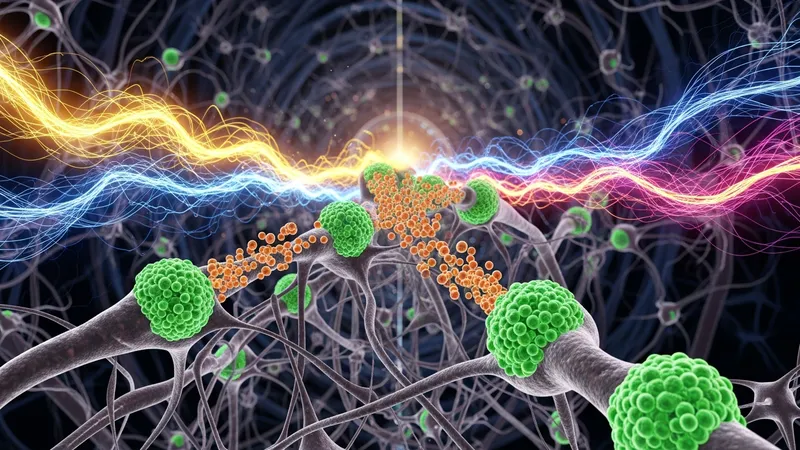
The sensitivity of dopamine receptors may increase after repeated exposure to antagonists or agonists, a process termed receptor upregulation or sensitization. These adaptive changes are thought to make neurons more responsive to fluctuating dopamine levels, contributing to the unpredictable or excessive motions typical of dyskinesia. Such neuroplastic responses underscore the challenge of managing long-term drug regimens.
Further, the effects of drug-induced dyskinesia extend beyond dopamine alone. Other neurotransmitter systems, such as serotonin and acetylcholine, play supportive or modulatory roles in motor control. Interactions between these networks can amplify the impact of medication-related changes, leading to greater variability in clinical presentations and complicating efforts to forecast individual risk precisely.
Research using brain imaging and neurochemical analyses is ongoing to unravel the finer details of mechanism. Current findings suggest that the phenomenon results from a combination of altered receptor activity, changes in neurotransmitter release, and downstream effects on neural circuits governing voluntary movement. Incremental scientific progress continues to inform prevention and mitigation approaches without offering absolute predictability.
Recognition and monitoring of drug-induced dyskinesia depend on consistent observation and documentation of movement patterns. Assessments may include patient self-report, standardized movement disorder scales, and, in some settings, video monitoring or neurological examinations. Early identification can allow for timely adjustments in therapy or further investigation into contributing factors.

The course of drug-induced dyskinesia may vary with individual factors, type of medication, and length of time on treatment. In some cases, symptoms may stabilize or fluctuate without intervention, while in others, involuntary movements can increase in prominence. Ongoing studies seek to clarify long-term prognostic trends and factors associated with persistent or resolving dyskinesia.
Educational resources for affected individuals, families, and care teams can support awareness of potential movement changes when certain drug regimens are prescribed. Patient engagement in symptom tracking may improve recognition of subtle shifts in movement patterns and encourage reporting of new or worsening effects to healthcare professionals. Collaborative communication is considered beneficial in this context.
Despite increased awareness and research, predicting the exact occurrence or trajectory of drug-induced dyskinesia remains a challenge, due mainly to individual variability in drug response and neurological adaptability. Continued emphasis on multidisciplinary research and patient-centered monitoring may contribute to improved understanding and management of this complex medication-related effect.