
Energy and utility providers play a crucial role in the United Kingdom, offering essential services that support daily life and economic activity. These organisations are involved in the production, transmission, distribution, and retail of electricity and gas. Each stage requires adherence to regulations and operational standards designed to keep supply stable and pricing practices transparent. The landscape in the UK reflects a mix of traditional and renewable energy sources, integrated through a widespread infrastructure to reach both residential and commercial consumers.
In the UK, energy and utility providers typically focus on multiple functions, including energy generation, infrastructure management, billing, and customer support. The interaction between different entities—such as generators, transmission operators, distributors, and retail suppliers—follows a model overseen by national and sector-specific regulatory authorities. This integrated approach aims to ensure efficient resource management and consumer protection, while promoting gradual adoption of renewable resources as part of national energy policy.
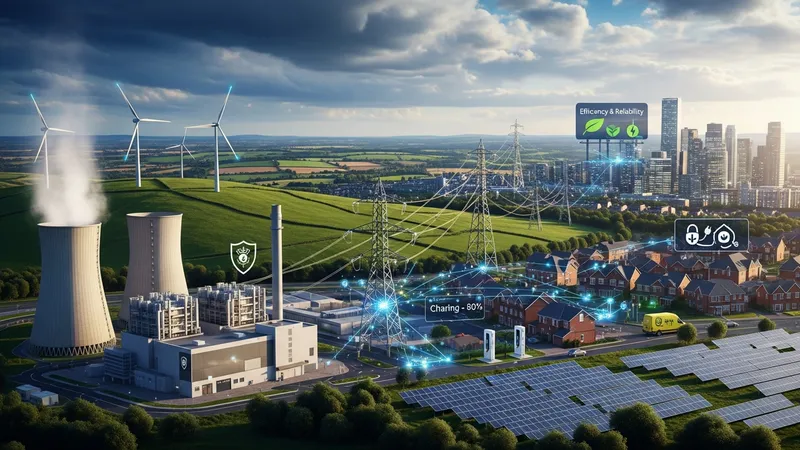
Energy providers in the UK often operate under detailed frameworks designed to balance supply and demand. For instance, the National Grid coordinates transmission, working closely with both large-scale power stations and distributed renewable sources. This ensures that electricity generated from varied sources can be efficiently routed through the grid.
Retail energy suppliers are responsible for setting tariffs, administering contracts, and providing customer service. Their responsibilities also include helping consumers switch suppliers if they wish and managing smart meter installations in accordance with governmental mandates. This structure enables market competition, which may influence consumer pricing and service offerings.
The National Grid's infrastructure is a backbone for electricity movement, connecting generators with regional distribution networks. These networks, operated by separate Distribution Network Operators (DNOs), are vital for delivering energy directly to homes and businesses. Regulation sets obligations on DNOs regarding reliability and customer service standards.
Customer billing and support are critical features of utility provider operations. Companies like British Gas typically offer various payment options and online account management, while also tracking usage to provide more accurate billing based on actual rather than estimated consumption. This can support budget management for both households and businesses.
To summarise, energy and utility providers in the United Kingdom are interconnected across several operational phases: production, transmission, distribution, and delivery to end-users. The main examples described above illustrate the core segments and regulatory oversight involved. The next sections examine practical components and considerations in more detail.
In the context of the United Kingdom, energy and utility providers offer a range of services covering electricity generation, gas delivery, infrastructure maintenance, and customer support. The type of service depends on the specific function the provider fulfils, such as wholesale energy production or consumer supply. Each segment is subject to regulatory supervision from agencies like Ofgem. Providers may also deliver additional offerings, such as energy efficiency advice or smart meter installations, to align with national sustainability objectives.
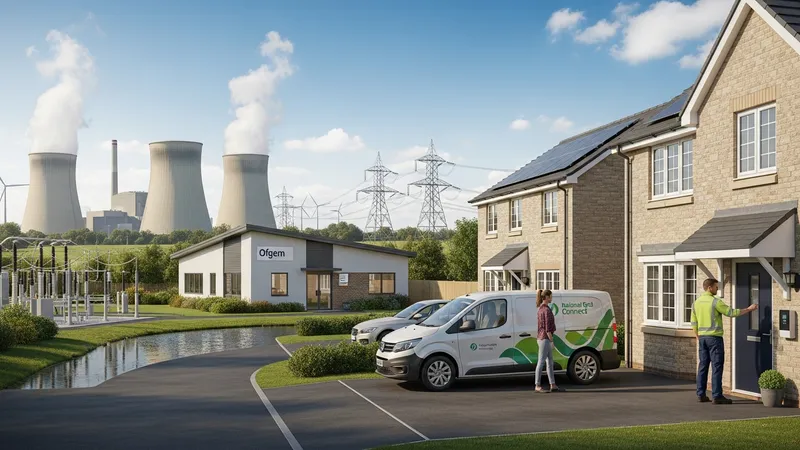
Service delivery models can differ significantly across the sector. For example, large-scale generators like nuclear or wind farms supply electricity to the National Grid, which is then routed via transmission lines before being allocated to local distribution networks. Retail suppliers, on the other hand, manage end-user accounts, set tariffs, and offer flexible billing schedules. This segmentation clarifies organisational responsibilities and may enhance reliability in supply.
Infrastructure management forms another part of the service landscape. National and regional transmission systems are overseen by specific operators, such as National Grid Electricity Transmission and regional DNOs (Distribution Network Operators). They are responsible for maintaining the physical networks that deliver electricity and gas, coordinating with generators and suppliers to address outages or ensure repairs are completed swiftly as per regulated standards.
Customer services, including support channels and complaint resolution processes, are central to retail suppliers' duties. UK regulators require providers to operate accessible helplines, digital service portals, and emergency support options. These services assist residents and businesses with issues like billing, meter readings, or supply disruptions—reflecting the broader aim of ensuring equitable access to essential resources.
UK energy and utility providers are structured around a multi-layered regulatory framework controlled mainly by Ofgem. This ensures providers meet mandated quality, affordability, and sustainability targets. Regulatory changes, such as annual price cap updates or emission reduction targets, influence providers' offerings and operations. The regulatory model is designed to promote fair competition while maintaining the public interest and system security.
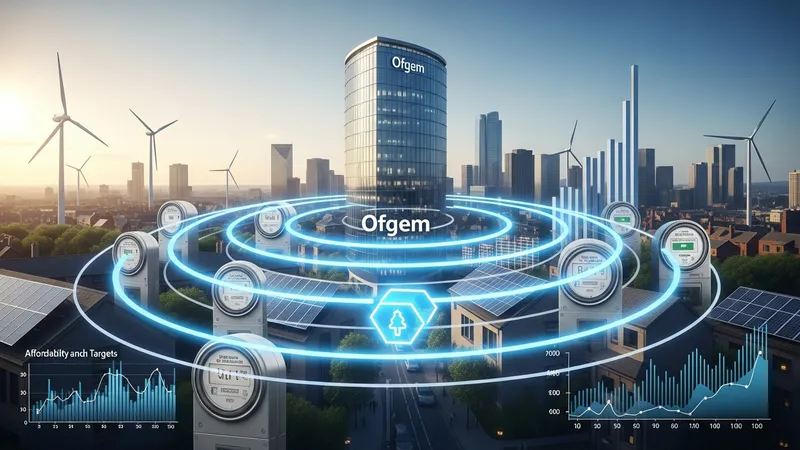
Regulatory oversight extends to tariff setting, complaint resolution, and vulnerability support, with public reporting obligations. Ofgem, through regular market reviews, sets performance benchmarks and implements price caps, especially for standard variable tariffs, to prevent overcharging. Providers found in violation of agreed practices may face penalties or mandatory redress processes.
Market structure divides the sector into generators, transmission and distribution operators, and retail suppliers. Not all companies operate in each area; for instance, National Grid focuses on transmission rather than retail, while British Gas specialises in consumer supply. This division clarifies accountability, with each segment typically needing a separate operating licence and compliance checks with UK standards.
Recent years have seen increased regulatory focus on renewable integration and resilience against supply shocks. UK authorities often provide guidance regarding responsiveness to demand fluctuations and encourage providers to invest in supporting infrastructure. These evolving rules form part of a broader national strategy to ensure the sector adapts to technological change and environmental targets.
Energy and utility pricing in the United Kingdom may encompass a variety of tariff models, ranging from fixed-term contracts to standard variable rates and time-of-use arrangements. Retail suppliers typically design tariffs that reflect wholesale energy prices, national transmission charges, and government levies. Ofgem sets maximum permitted charges for many standard products, influencing how much consumers pay. Rates can fluctuate based on regulatory updates, operational costs, and market conditions.

Billing approaches have evolved with technology, enabling more accurate and timely consumer charges. Smart meters, now widely installed as part of the national rollout, permit automatic readings and facilitate billing based on actual rather than estimated usage. This can support households wishing to monitor their energy expenditure more closely and may reduce customer disputes about incorrect bills.
Multiple payment methods are usually available, including direct debit, pay-as-you-go, and quarterly billing. Some providers introduce incentives for paperless billing or regular payment schedules, although these features are subject to regulatory standards and consumer protection requirements. For vulnerable customers, emergency credit or hardship schemes may also be accessible, designed in line with public guidance and oversight.
Transparency in pricing and billing is a key regulatory goal. Providers must communicate tariff details, contract terms, and price changes clearly. Ofgem encourages comparison tools and clear labelling of products, aiming to help consumers make informed choices and participate effectively in the retail energy market.
The consumer experience for energy and utility services in the UK typically involves direct contact with retail suppliers regarding account management, meter readings, and issue resolution. Most suppliers provide multi-channel support, ranging from telephone helplines to digital chat and online account portals. These services are regulated to ensure timely responses and fair complaint handling, with explicit escalation routes identified by Ofgem and independent ombudsman bodies.
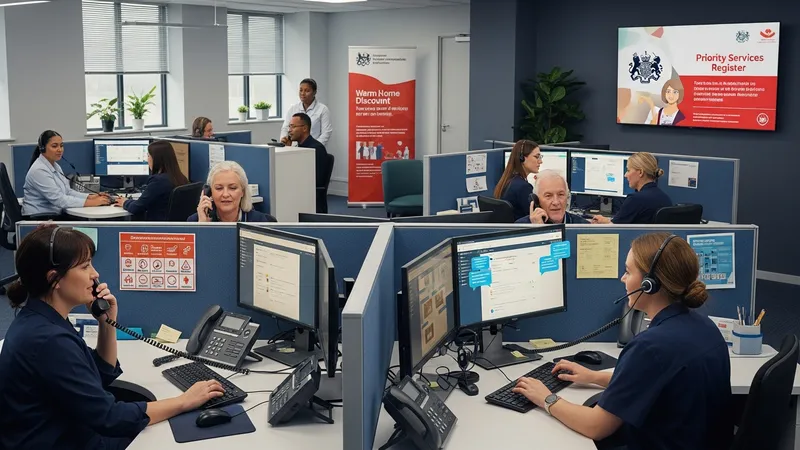
Support mechanisms also cover assistance for vulnerable populations, including priority services registers for those with medical needs and alternative communication options for customers with disabilities. Government-backed initiatives, such as the Warm Home Discount or Cold Weather Payment, may be administered through energy providers, reflecting the sector’s role in social policy implementation.
Looking ahead, energy and utility services in the UK are expected to see further digitalisation and the adoption of intelligent infrastructure. Trends may include wider deployment of smart grids, increased integration of renewable energy sources, and enhanced self-service options for consumers. Policy support for decarbonisation and technological innovation is likely to remain a central theme in shaping future provider operations.
Changes in regulation, technology, and consumer expectations will continue to define the sector’s evolution. Providers, infrastructure operators, and regulators will need to adapt operational models to reflect shifting market conditions and customer needs while sustaining secure, affordable, and environmentally responsible supply.