
Modern DevSecOps tools enable the integration of security practices into every stage of software development, uniting development, security, and operations teams for greater software reliability. The essential features of such tools focus on automation, transparency, and real-time collaboration to help prevent vulnerabilities while minimizing disruptions to established workflows. These features are designed to foster continuous security monitoring and enforcement in alignment with agile methodologies and fast development cycles.
DevSecOps tools commonly emphasize processes like automated vulnerability scanning, compliance tracking, and infrastructure as code validation. These methods allow teams to detect security issues earlier, reducing the chances for misconfigurations or malicious code to go undetected. Essential functionality also includes secure code repositories, policy enforcement capabilities, integration with CI/CD pipelines, and adaptable reporting mechanisms to ensure all team members are informed about potential risks or incidents.
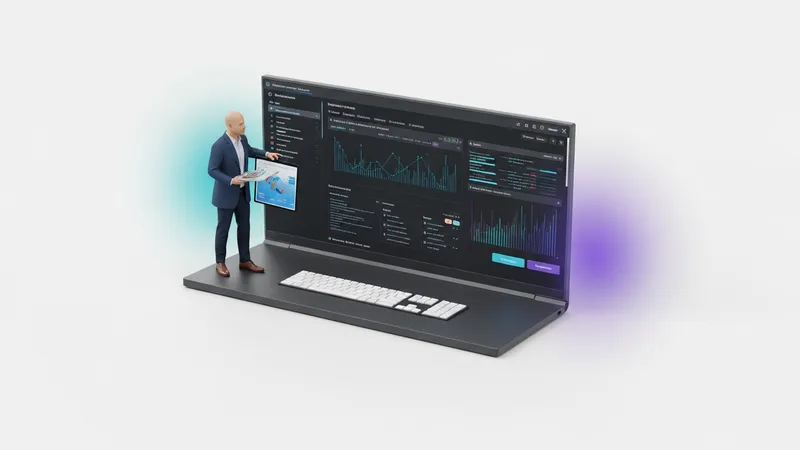
Automated vulnerability scanning is a core feature in many DevSecOps platforms. This process typically checks for the presence of known security weaknesses within code repositories, container images, or infrastructure templates, helping teams remediate issues before deployments reach production. Such scanning often uses extensive databases of publicly reported vulnerabilities, allowing for rapid detection of outdated or insecure components.
Policy enforcement is another significant element. Through customizable rulesets, organizations can typically set thresholds for acceptable security standards in source code, configuration files, and infrastructure. These policies may be enforced automatically within CI/CD pipelines, ensuring that applications meet specified criteria before they are merged or released. Results and incidents are typically logged, providing transparent records for future audits.
Integration with development pipelines is also a hallmark of modern DevSecOps tools. These integrations may allow security checks to operate automatically when developers push code or create pull requests, making it possible to identify and resolve issues as part of the natural software delivery lifecycle. Smooth integration is valued for minimizing disruptions while reinforcing consistent security practices.
Adaptable reporting and alerting functions are features that facilitate timely communication about potential vulnerabilities and compliance risks. Many tools offer dashboards, customizable alerts, and exportable reports to support decision-making and regulatory documentation needs. This helps stakeholders stay informed about the security status of projects in real time.
In summary, essential features of modern DevSecOps tools are designed to automate and standardize security practices throughout all phases of software development. These features typically provide real-time analysis, policy enforcement, and integration capabilities, as introduced with key examples. The next sections examine practical components and considerations in more detail.
Automation is frequently cited as a critical aspect of DevSecOps solutions. By automating repetitive and complex tasks, project teams can consistently apply security controls across large codebases or distributed infrastructure. Automated scanners may check third-party library versions, code quality, and potential misconfigurations at each code commit. Such checks can typically be configured for frequency, scope, and severity thresholds, providing a flexible approach that adapts to development pace.
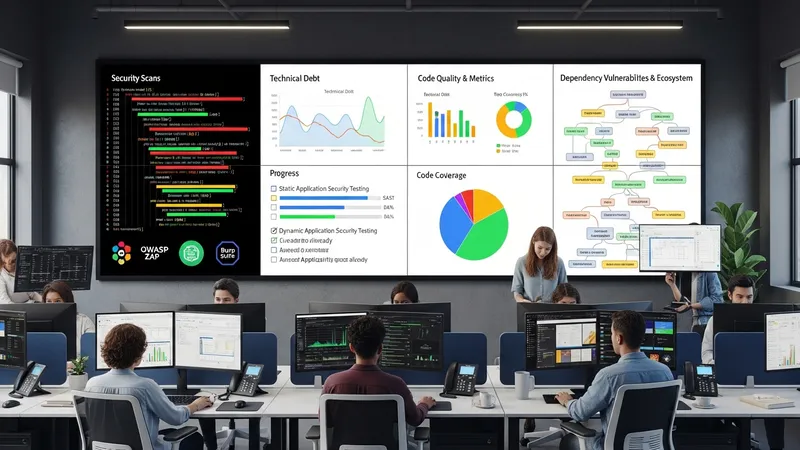
Tools like Snyk and OWASP Dependency-Check may deliver automated vulnerability checks as part of the build and deployment pipeline. The automation of these security tests can help reduce manual review workloads and may lead to faster identification of critical risks. While the automation scope often depends on project complexity, even smaller teams may benefit from pre-built scanning templates available within these platforms.
Automated remediation is a developing area within DevSecOps. Some tools can not only detect vulnerabilities but may also suggest or automate fixes, reducing mean time to remediation (MTTR). For example, dependency analysis tools might prompt upgrades to safe versions of libraries or modules. Cautiously adopting these automated features can reduce manual intervention, but oversight is typically recommended to handle edge cases or false positives.
Automation in DevSecOps also extends to compliance requirements. Security policies relevant to regulatory frameworks or corporate standards can be encoded as rules within the pipeline, automatically blocking non-compliant builds. This approach brings consistency and auditability while aligning security operations with continuous delivery models.
Policy enforcement within DevSecOps platforms aims to formalize security expectations at both the code and infrastructure levels. By defining security rules and standards as code, teams can automate their application during the build, test, and deployment phases. This practice helps reduce inconsistencies and ensures that minimum security thresholds are routinely met.
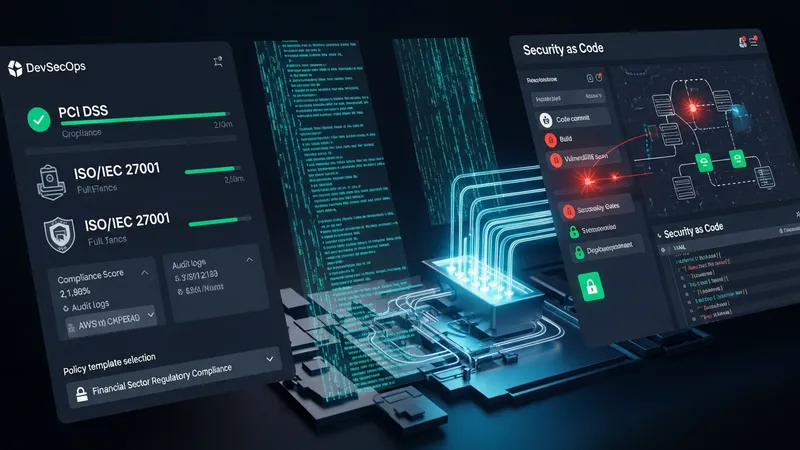
Compliance tracking features allow organizations to align with industry regulations or audit needs. Modern DevSecOps tools often provide built-in frameworks for regulatory requirements, which may include templates for standards such as PCI DSS or ISO/IEC 27001. These templates can typically be customized, ensuring organizations align controls with their specific risk assessments and compliance goals.
For example, Veracode Static Analysis offers policy management features where different security gates can be configured based on project type or deployment context. Integration with reporting modules allows for comprehensive documentation of compliance status and security findings, which can be particularly useful during external audits or regulatory reviews.
Real-time enforcement of security policies in DevSecOps pipelines may help reduce risks of last-minute vulnerabilities reaching production. Alert systems integrated into these tools generally inform responsible personnel about deviations from policy, providing a documented trail for issue tracking and remediation.
Effective integration into existing workflows is regarded as essential for DevSecOps adoption. Many modern security tools provide native connectors or APIs designed to fit into diverse version control systems, continuous integration/continuous deployment (CI/CD) platforms, and cloud-native infrastructure. This seamless integration helps maintain the pace of development while embedding security at each critical stage.

Collaboration features within these platforms may include automated notifications, ticket creation in issue trackers, or direct annotation in code review tools when a new vulnerability is found. By bringing security information directly to developers and operators, DevSecOps tools facilitate immediate awareness and collective response to security findings. This distributed visibility can help foster a security-conscious culture across multidisciplinary teams.
Support for common development environments and programming languages is another characteristic of integration-ready DevSecOps platforms. These tools often provide plugins or extensions for popular editors, IDEs, and cloud platforms, allowing developers to access security functionalities within familiar interfaces. This accessibility may support faster remediation and lower barriers to adopting secure practices.
Role-based access control (RBAC) and collaboration logs are typically supported as well, ensuring that only authorized individuals can modify security policies or review sensitive scan results. This level of governance contributes to both accountability and compliance with internal security standards.
Customizable reporting tools are widely present in modern DevSecOps solutions. These reporting features allow stakeholders to visualize vulnerability trends, compliance status, and remediation progress over time. Dashboards may offer real-time summaries or drill-down views, enabling security teams to focus on the most critical issues first. Reporting tools often export to various formats to support regulatory documentation or cross-team analysis.

Alerting capabilities commonly include notifications through email, messaging platforms, or incident management software. Organizations can generally tailor alert thresholds and channels to fit their operational needs, ensuring that high-impact vulnerabilities trigger rapid review. The configuration of alert sensitivity is important to prevent unnecessary interruptions from non-critical findings.
Looking ahead, DevSecOps toolsets continue to evolve. The integration of machine learning and advanced analytics is an area of interest, with the goal of improving vulnerability detection accuracy and reducing false positives. Some platforms are exploring ways to better predict emerging risks based on codebase evolution or external threat intelligence feeds.
In summary, the essential features of modern DevSecOps tools include automation, policy enforcement, integration, collaboration mechanisms, and advanced reporting. These features collectively support ongoing efforts to embed security into fast-paced development environments while anticipating new challenges in software protection.