
Electric vehicles (EVs) have transformed how people consider personal and commercial transportation. Central to this shift is the ability to charge vehicles using electricity, reducing reliance on internal combustion engines and liquid fuels. The charging ecosystem for EVs encompasses a variety of technologies, supporting infrastructure, and evolving practices for both owners and network operators. Understanding the charging methods and the current state of infrastructure helps clarify how EV adoption can be integrated with daily mobility needs.
The charging process for EVs typically involves connecting to a source of electrical power that replenishes the vehicle’s battery. Charging points may be installed in private residences, public parking areas, commercial sites, or along important travel corridors. Charging methods and speeds differ based on the hardware, grid capacity, and battery compatibility. Infrastructure planning and technological development continue to address challenges related to accessibility, reliability, and charging duration.
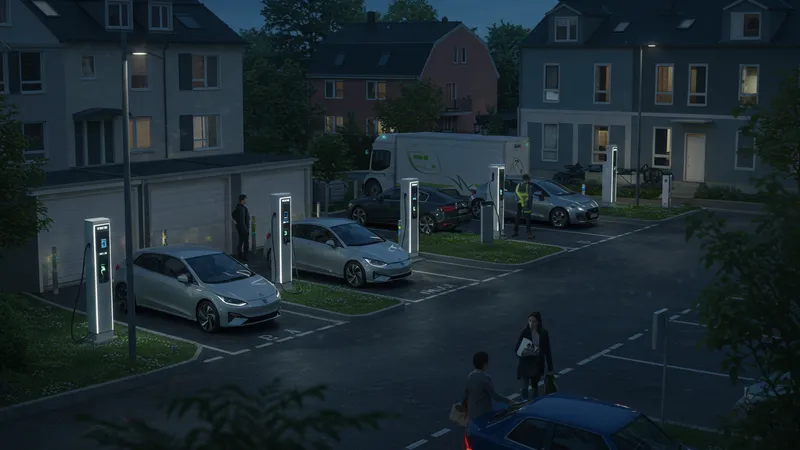
Each EV charging method addresses different transportation scenarios, from overnight charging at home to quick top-ups during long-distance travel. Level 1 is accessible for those who drive short distances and have overnight parking with an electrical outlet. Level 2 charging stations are commonly installed at workplaces, shopping centers, and home garages to provide a higher charging rate suitable for daytime or overnight charging. DC Fast Charging enables more flexible and faster recharging, critical for highway corridors and urban areas where users may lack extended access to parking and electrical outlets.
Infrastructure development efforts often consider geographic coverage and demand. Urban environments may have denser charging networks, whereas rural areas typically see slower deployment due to lower vehicle and user density. Policies and funding initiatives in many regions focus on expanding both public and private charging points, with grid upgrades and technical standards intended to support efficient energy use and network reliability.
The distinction between charging levels also relates to hardware and installation requirements. Level 1 setups generally require no additional equipment beyond an appropriate grounded outlet, while Level 2 chargers may involve professional installation and coordination with local utilities or property managers. DC Fast Chargers often require integration with higher-capacity electrical infrastructure and are usually installed by specialized service providers in commercial or public locations.
The pace of EV infrastructure growth is shaped by factors such as consumer adoption rates, advances in battery technology, and government policies. While some areas have widespread charging options, others are still developing foundational networks. International coordination on standards and interoperability seeks to streamline user experience and improve network efficiency.
This overview underscores the complex, evolving nature of charging methods and supporting infrastructure for electric vehicles. The following sections examine practical components and considerations in more detail.
Charging technology for electric vehicles is generally categorized by the amount of power delivered and the resultant charging speed. Level 1 charging typically uses alternating current (AC) from standard residential outlets, offering a gradual approach suited for long-duration parking. Level 2 charging also relies on AC but operates at higher voltage, making it viable for both residential and public installations where faster charging is necessary. DC fast charging, by contrast, provides direct current directly to the vehicle’s battery, bypassing onboard conversion for much greater speed. The compatibility between vehicle battery systems and these charging methods can influence which approach is most effective for daily use or travel.
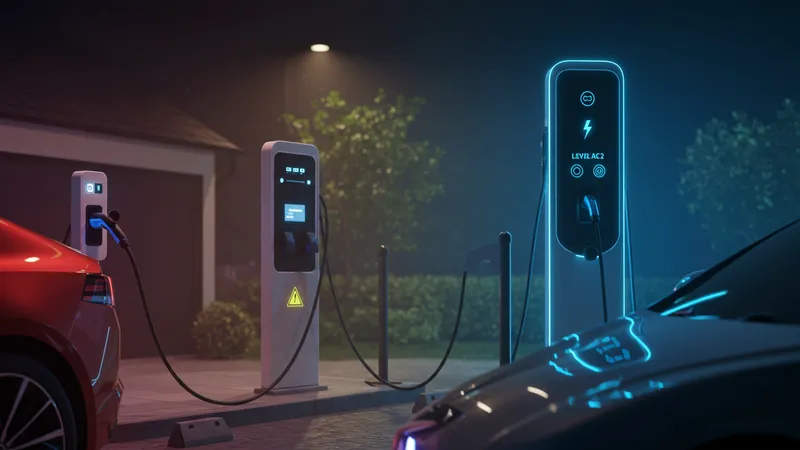
Hardware for EV charging is standardized to varying degrees across regions. For instance, connectors such as Type 1, Type 2, CHAdeMO, and CCS are prominent in different global markets, each supporting specific power ratings and communication protocols. Adapters are sometimes available to bridge between formats, but universal compatibility is still an area of ongoing development. Understanding these distinctions is important for users, as a vehicle’s charging port design will often determine which public or private charging stations can be utilized without additional accessories.
Smart charging technologies are emerging as a key development, enabling scheduling, remote monitoring, and integration with renewable energy sources. Some commercial installations may include networked chargers that balance loads and manage demand to align with peak electricity pricing or grid constraints. These systems can offer benefits such as improved energy efficiency, but their prevalence and functionality may vary by location and provider.
The rate at which an EV can charge is typically limited not only by the external hardware but also by the vehicle’s battery management system. While newer vehicles often support higher charge rates, older models may be constrained to lower power levels even if fast chargers are available. As a result, infrastructure planning often accounts for both the present fleet and forward-looking trends in automotive engineering to ensure broad utility across diverse user bases.
Charging electric vehicles involves a range of direct and indirect costs. Installation of Level 1 charging is often minimal, requiring only a suitable outlet, but Level 2 chargers may involve expenses related to electrical upgrades and equipment purchases. The upfront price for Level 2 units can vary, typically ranging from several hundred to a few thousand U.S. dollars depending on features, brand, and network compatibility. For DC fast charging, installation costs are considerably higher due to specialized equipment and more complex electrical infrastructure requirements.
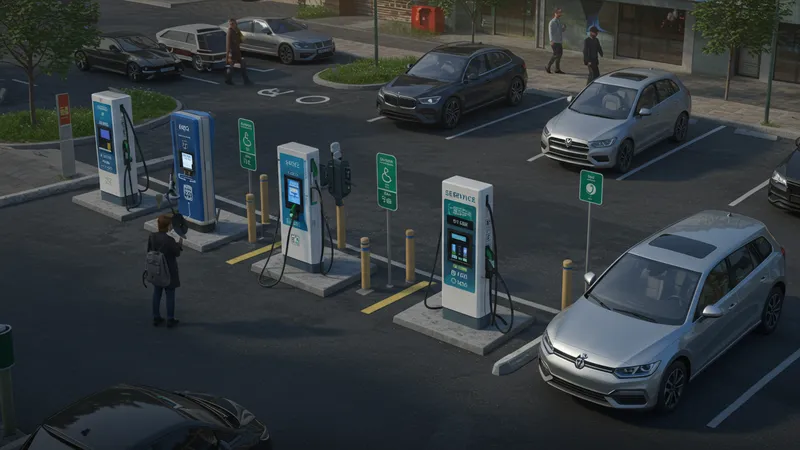
Operational costs include the price of electricity, which fluctuates according to region, utility provider, and time-of-day rates. Public charging stations, especially DC fast chargers, may incorporate service fees that cover equipment maintenance and network operation. These fees can be structured as flat rates, per-minute charges, or per-kilowatt-hour pricing, with the rates generally higher for faster charging services. In some areas, membership plans or access cards provide simplified payment options for frequent users.
Incentive programs and subsidies in various jurisdictions can offset some costs associated with EV charging infrastructure. Governments and utility companies may offer rebates or tax credits for home charging equipment, or provide grants to support network expansion. These programs typically aim to accelerate the adoption of EVs by reducing financial barriers for both individuals and commercial property owners. However, eligibility criteria and benefit amounts may change over time based on policy shifts.
Long-term costs and savings are also influenced by vehicle usage patterns, electricity pricing trends, and evolving technology standards. While EV owners may benefit from lower fueling and maintenance costs compared to conventional vehicles, the economic impact depends on factors such as annual mileage, access to overnight charging, and charging network coverage in relevant areas. Careful assessment of these considerations can support informed decisions about the most suitable charging methods and infrastructure investments.
Accessibility to charging infrastructure remains a key topic in discussions surrounding wider EV adoption. Residential charging is often cited as the most convenient option, yet not all dwellings have off-street parking or the electrical capacity for higher-level chargers. Urban multi-unit buildings and rural locations may encounter challenges installing private charging equipment, necessitating greater reliance on public charging networks or shared facilities within neighborhoods or business districts.
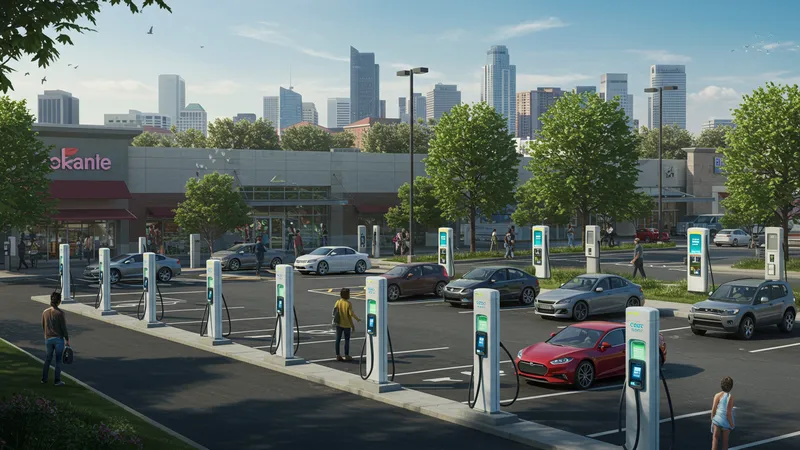
Public charging networks are typically sited where there is high potential demand, such as shopping centers, transit hubs, and major road arteries. The growth of these networks is uneven globally, with some cities boasting dense installations while others offer only limited access. Partners in infrastructure projects, including municipal agencies, utility providers, and private investors, work to address identified gaps, though the pace of expansion depends on consumer demand forecasts and policy support.
Accessibility also encompasses aspects such as charger uptime, maintenance practices, and payment integration. Reliable station operation is essential for users planning commutes or long-distance travel, and charging infrastructure providers often publish availability data in real time. Payment methods have gradually shifted from proprietary tokens to more interoperable systems accepting credit cards, mobile payments, or dedicated apps, increasing user convenience and reducing friction for new EV owners.
The consideration of equitable infrastructure distribution is also emerging in policy discourse. Ensuring that charging access is not limited by geography, socio-economic status, or housing type is an ongoing challenge. Initiatives may include targeted deployments in under-served regions and incentives for landlords or employers to install shared charging solutions. As infrastructure matures, regular evaluation of usage patterns and stakeholder feedback supports more inclusive planning.
The future of EV charging is shaped by technological innovation aimed at improving efficiency and user experience. Wireless (inductive) charging, for example, eliminates the need for physical cables and may be integrated into parking surfaces or designated charging spots. Although not yet widespread, pilot projects and ongoing research indicate potential applications for fleet operations and public settings, subject to evolving standards and cost considerations.
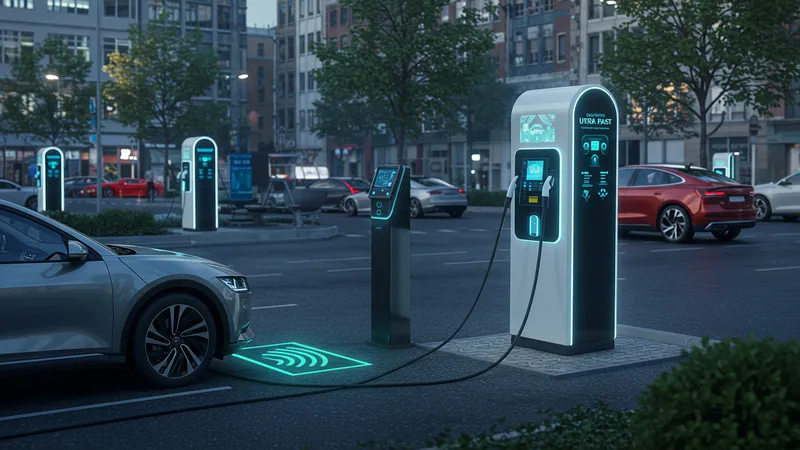
Ultra-fast charging is another focus of infrastructure development. Equipment capable of delivering 350 kW or more may significantly reduce charging times for compatible vehicles, approaching the convenience of conventional fueling if sited appropriately along key travel routes. The availability of such high-capacity chargers is currently limited to certain locations and vehicle models, and ongoing upgrades in battery management are needed to fully utilize these advancements without accelerated wear or safety concerns.
Grid integration and renewable energy usage are gaining prominence in planning future charging networks. Smart grid technologies and vehicle-to-grid (V2G) concepts allow EVs to interact with the broader electricity system, either by drawing power when surplus energy is available or contributing stored energy back to the grid during times of peak demand. These strategies may help balance energy loads, support storage solutions, and facilitate the integration of solar and wind sources into daily electricity use for transportation.
Stakeholders in EV infrastructure continue to address reliability, sustainability, and interoperability across diverse markets. Streamlined network operations, harmonization of data standards, and transparent pricing are critical for a seamless charging experience. As government and industry priorities evolve, regular reassessment of environmental, technical, and consumer needs will likely guide the ongoing adaptation of charging methods and infrastructure worldwide.