
Electric vehicle (EV) charging station installations are emerging as a critical element in supporting cleaner mobility options in Saudi Arabia. These installations require careful planning to address the unique power and site requirements that large-scale EV networks typically demand. Each charging station must conform to the local electrical grid capacities, site conditions, and the evolving regulatory frameworks set by national and municipal authorities in Saudi Arabia. This process involves aligning infrastructure with growing adoption rates while maintaining network safety and reliability standards.
Appropriately planning for EV charging station installations in Saudi Arabia involves understanding the infrastructure needs connected with station design and operation. Core considerations may include assessing nearby energy supply, evaluating site-specific access for vehicles, and ensuring stations integrate with urban and intercity travel patterns. The need to support both fast and regular charging outlines multiple equipment types, each with differing requirements for installation and ongoing maintenance. Understanding these elements may help stakeholders determine the scope and sequence for developing EV charging networks tailored to local usage patterns.

Grid integration is a central component of EV charging infrastructure. In Saudi Arabia, urban deployments of DCFC stations often require upgrades to local substations or transformers, especially as demand grows. Stakeholders typically collaborate with the Saudi Electricity Company to ensure compatibility and to forecast future electrical loads. Effective power management practices may help mitigate disruptions and improve station uptime.
Site selection for EV charging stations in Saudi Arabia frequently accounts for vehicle accessibility, security, and visibility to users. Sites may be prioritized near commercial centers, government buildings, or important travel corridors, aligning with national strategies for electric mobility. Environmental factors such as local temperature conditions and exposure to desert environments could also be relevant for determining suitable equipment specifications.
Adhering to local regulations and safety protocols is vital for EV charging station deployment. Permitting processes administered by national and municipal agencies may define station placement, equipment standards, and data reporting requirements. The General Authority for Roads and related entities have started developing guidelines to ensure network expansion supports reliability, rider access, and public safety.
Operational considerations for EV charging stations can include maintenance planning, software updates, and providing payment platforms in line with local financial systems. Ensuring long-term operability may require partnerships with local energy and technology providers. Routine monitoring and support services generally help address faults and support user confidence in the charging network.
In summary, understanding the infrastructure needs of EV charging station installations in Saudi Arabia involves multifaceted planning that spans electrical, regulatory, and operational domains. The next sections examine practical components and considerations in more detail.
Deploying EV charging stations in Saudi Arabia involves coordinating with utility providers to determine the local grid’s capacity and readiness. Many regions require transformer upgrades or new service connections, especially for sites planned to host high-power DC fast chargers. Stakeholders might consult with the Saudi Electricity Company to evaluate electrical distribution and apply for connections that match anticipated peak loads. Careful planning in this area helps prevent grid congestion and supports stable operation.
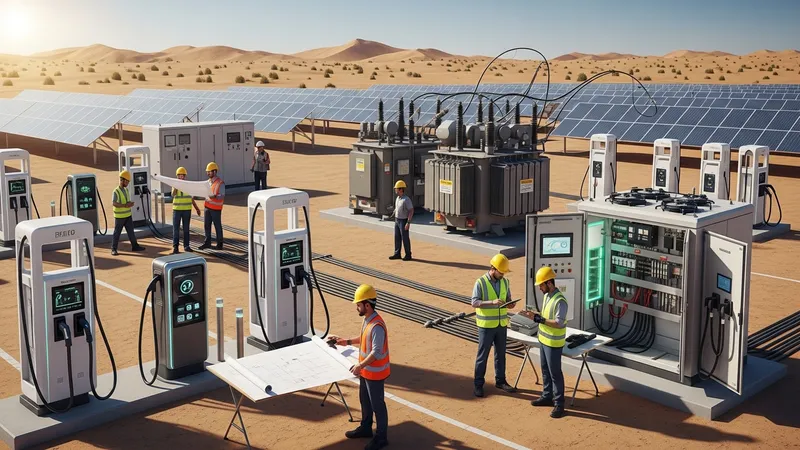
Power management strategies—often implemented through smart charging management systems—can help balance the demands placed on local infrastructure. Load balancing reduces the risk of overloading feeder lines or transformers by distributing vehicle charging events throughout the day. These systems can also support demand response practices, aligning station operation with times of surplus grid electricity, including periods of high solar availability in Saudi Arabia’s climate.
Emergency backup solutions and electrical safety measures are critical for high-usage locations. Many installations include surge protection, automated disconnects, and monitoring sensors to address faults promptly. In Saudi Arabia, compliance with national and municipal electrical safety standards is required, with technical inspections occurring prior to and after installation. These processes are designed to prevent equipment hazards and ensure user safety.
The cost for electrical infrastructure upgrades in Saudi Arabia varies by site and charger type. DCFC stations can require significant investment due to high-capacity cabling, dedicated transformers, and cooling systems, with installation costs typically ranging from SAR 90,000 to SAR 250,000 per unit. AC Level 2 chargers may incur lower costs when integrated into sites with existing commercial electrical supply, and stakeholders often consider long-term power tariffs and possible incentives from national programs when budgeting projects.
Site selection for EV charging stations in Saudi Arabia often hinges on the proximity to traffic corridors, business centers, and public amenities. Urban planning authorities generally prioritize areas with consistent vehicle flows and access for both private and fleet vehicles. This ensures that charging infrastructure supports adoption patterns and aligns with local transportation needs. The planning process may include site surveys, land use assessments, and traffic flow studies.
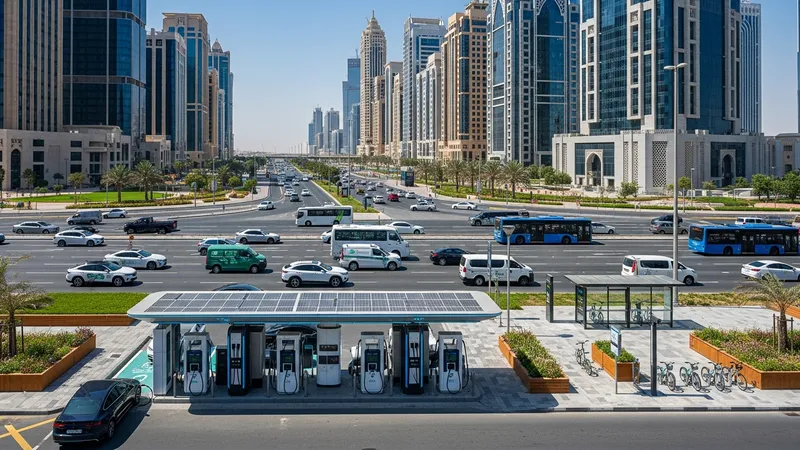
Municipal building codes and zoning requirements in Saudi Arabia regulate where charging stations can be physically installed, addressing safety, accessibility, and aesthetics. Permitting authorities typically review proposed station designs for fire safety, accessibility standards, and integration with urban landscaping. Compliance with these regulations can affect project timelines and influences where rapid expansion of the EV network is feasible.
Infrastructure planners in Saudi Arabia may collaborate with governmental consultative bodies to align new installations with national sustainability goals. These partnerships help coordinate with public transit developments, parking structures, and future smart city initiatives. Special consideration is sometimes given to locations that serve both urban residents and travelers crossing between cities, such as service areas on intercity highways and shopping mall complexes.
Environmental adaptation is fundamental for EV charging stations exposed to harsh temperatures, sand, or frequent sunlight. Equipment enclosures are typically specified to industry standards for dust and moisture resistance. In Saudi Arabia, selecting durable hardware may reduce long-term maintenance costs and improve operational continuity, particularly for outdoor or unattended stations.
EV charging station installations in Saudi Arabia are subject to national and municipal regulations governing public safety, electrical compliance, and equipment certification. The Ministry of Energy and local authorities have issued initial frameworks outlining application processes, technical requirements, and operational standards. Stakeholder adherence to these guidelines is essential in supporting a secure and standardized charging network across the country.

Permitting for EV charging stations generally includes review of station layout, electrical plans, and environmental impact assessments. Some municipalities require public notification or consultation before granting installation permits, ensuring stations meet broader urban development and safety goals. Oversight by regulatory agencies aims to align industry practices with evolving international standards for EV infrastructure.
Safety measures incorporated into EV charging station installations typically include overcurrent protection, emergency shutdown systems, and routine technical inspections. Compliance is validated through certified third-party inspection organizations, and regular audits may be required for operational stations. Documentation of maintenance, incident reporting, and system testing is part of ongoing regulatory obligations for operators.
As Saudi Arabia’s EV network expands, new standards and guidelines continue to emerge. Government directives may address data management, cybersecurity for smart charging management systems, and user interface requirements. Stakeholders typically monitor regulatory developments and collaborate with authorities to update station design and operational protocols, supporting network reliability and public trust.
Operational planning for EV charging stations in Saudi Arabia typically begins with establishing service schedules for equipment inspection, software updates, and preventative maintenance. A proactive approach to upkeep can help improve equipment longevity and minimize service interruptions. Many station operators establish partnerships with local technology vendors and energy providers to facilitate quick response to technical faults.
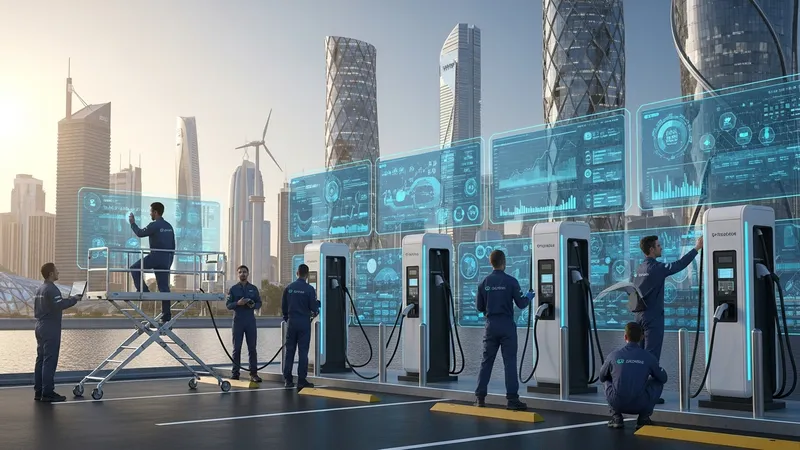
Ongoing management strategies often integrate remote monitoring tools to track charging events, power consumption, and equipment status. These systems may provide real-time data to operators, allowing them to identify underutilized sites, maintain security, and optimize grid load management. In Saudi Arabia, integrating these operational systems with payment processing is becoming increasingly important to align with national e-payment regulations.
User experience in EV charging station networks can be influenced by accessibility, reliability, and clear pricing. Saudi stakeholders are introducing multi-lingual interfaces, clear signage, and support services to address a range of user needs. Transparency in pricing and station availability information contributes to positive perceptions and may encourage usage as EV adoption grows across the country.
Future-ready planning may incorporate adaptive strategies to support emerging technologies, such as vehicle-to-grid integration or fast charger upgrades. Continuous monitoring of usage data and customer feedback typically informs decisions regarding network upgrades or geographic expansion. This adaptive approach is often guided by ongoing coordination with national infrastructure programs and energy transition strategies in Saudi Arabia.