
Industrial laboratories in Mexico often utilize a variety of equipment designed to support testing, quality control, and monitoring processes within manufacturing and production environments. This equipment typically serves to analyze materials, verify safety and compliance standards, and assist in optimizing production workflows. In such settings, the selection and operation of laboratory tools depend on multiple technical and practical factors, including the types of tests required, the environmental conditions of industrial sites, and regulatory guidelines applicable within Mexico.
Considering laboratory equipment for industrial applications involves assessing the functional capabilities of devices, compatibility with existing systems, and how the equipment integrates into routine operational workflows. Equipment may range from analytical instruments capable of chemical or physical testing to measurement tools that maintain process stability. Identifying characteristics such as precision, durability, and ease of maintenance can influence the choice process, especially in industrial environments where continuous performance may be critical.
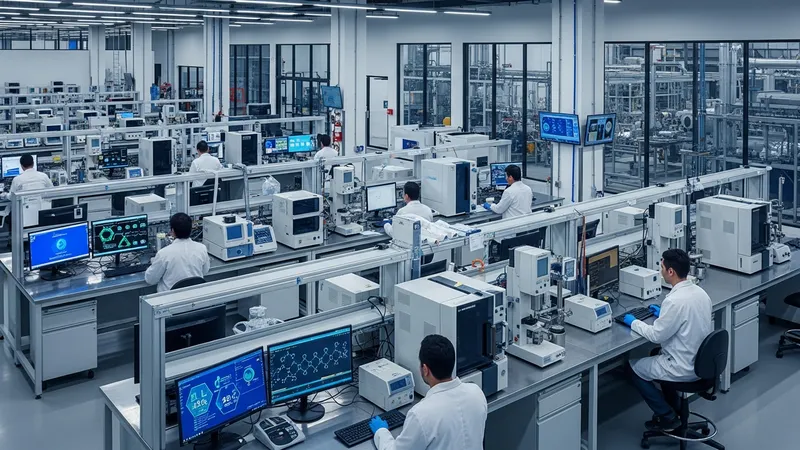
When comparing analytical instruments, precision and sensitivity are key factors that may influence the selection process. Instruments like Gas Chromatographs and Atomic Absorption Spectrometers typically offer a range of detection limits, which could be crucial for compliance testing, especially under Mexican norms such as NOM (Normas Oficiales Mexicanas). Understanding the performance variability and calibration requirements of each type may aid in aligning equipment capabilities with industrial testing objectives.
Operational considerations often involve the compatibility of laboratory equipment with data management systems in use within industrial plants. Integration with digital records and quality control software may support traceability and reporting, functions that are becoming increasingly important in standardized quality frameworks. Equipment that can interface smoothly with existing systems might reduce manual data entry and improve the reliability of test outcomes.
Maintenance requirements and operational environment conditions in Mexican industrial settings can affect equipment lifecycle and performance. Humidity, temperature fluctuations, and dust levels are typical environmental factors that may necessitate specific protective features or maintenance schedules. Laboratories in northern Mexico's desert climates, for example, might encounter different equipment endurance considerations than facilities in tropical southern regions.
Training and operational expertise relating to laboratory equipment represent an operational aspect affecting ongoing equipment use. Staff proficiency in operating complex analytical devices can impact the consistency and reliability of industrial testing processes. In some cases, equipment suppliers or local institutions may provide technical training or certification programs, which are relevant considerations for facilities aiming to maintain testing standards.
In summary, understanding laboratory equipment for industrial applications in Mexico requires attention to technical capabilities, regulatory alignment, operational compatibility, environmental factors, and human resource considerations. Each of these elements plays a role in establishing equipment effectiveness within industrial workflows. The next sections examine practical components and considerations in more detail.
Laboratory equipment used in industrial settings within Mexico generally falls into categories based on their testing or measurement functions. Analytical instruments, for example, often include spectrometers and chromatographs used for chemical composition analysis. Measurement tools such as balances and calorimeters may be applied for quality control assessments. The choice among these types typically relates to the nature of the materials being tested and the precise data needed for industrial processes.
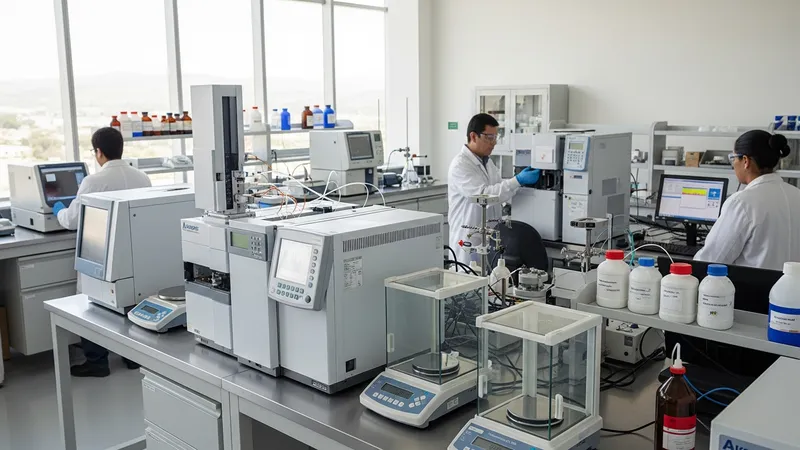
Gas Chromatographs remain widely referenced for the analysis of volatile compounds in industries such as petrochemicals and food processing. Mexican industrial laboratories often align their use with Mexican standards for environmental emissions and product quality. Similarly, FTIR spectrometers support identification tasks related to polymers and coatings, fields important to manufacturing sectors in Mexico like automotive parts production.
Atomic Absorption Spectrometers provide targeted metal concentration measurements, potentially useful for monitoring compliance in sectors such as mining and metal fabrication that are significant in Mexico. Electrical conductivity meters and pH analyzers might also be commonly integrated into process monitoring within chemical production workshops, further illustrating the variety of equipment types used across industries.
Additional equipment such as moisture analyzers, viscometers, and hardness testers may also appear in Mexican industrial laboratories depending on specific sector requirements. These devices support assessments of physical and chemical properties critical to product performance and safety. Typically, selection among these types may depend on adherence to Mexican norms and the operational scale of the facility.
Operational requirements for laboratory equipment in Mexican industrial settings generally encompass accuracy, repeatability, and reliability under typical production conditions. Equipment operation is often subject to environmental controls to mitigate factors such as temperature variation or humidity, which can influence measurement precision. Therefore, industrial laboratories may implement specific installation conditions to maintain equipment performance standards.
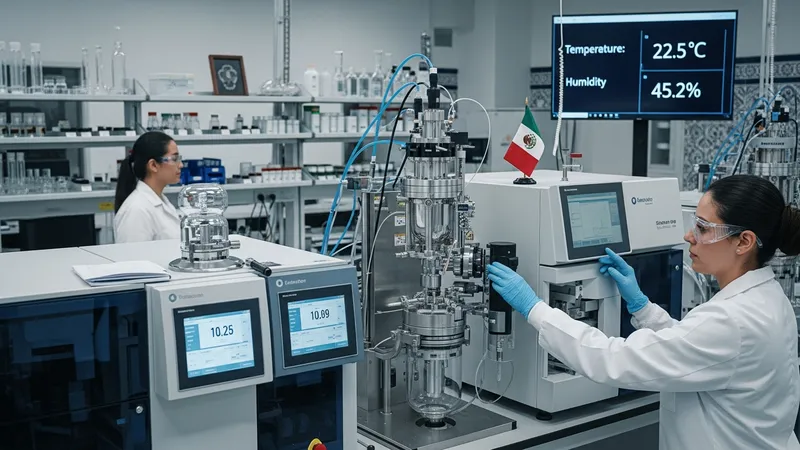
Calibration routines represent a critical operational consideration. Mexican regulatory frameworks and international standards adopted by industries may specify calibration frequencies and methods for various types of equipment. Regular calibration helps maintain the integrity of test results, supporting quality control procedures and regulatory compliance efforts commonly observed in Mexican industrial sectors.
Documentation practices related to equipment operation and maintenance often form part of standard operating procedures in Mexican industrial laboratories. Recording usage logs, maintenance events, and calibration certificates supports traceability and audit readiness. Such practices may align with quality management systems like ISO 9001, which are increasingly applied within Mexico's industrial framework.
Training of technical personnel also constitutes an operational requirement. Effective use and maintenance of scientific instruments generally require knowledgeable operators. Mexican industrial institutions or technical training centers may provide specialized programs to increase proficiency. With trained personnel, equipment might be operated with greater consistency and troubleshooting can be addressed promptly.
Integration of laboratory equipment into industrial workflows commonly impacts the efficiency and reliability of quality control processes. Industrial laboratories in Mexico typically aim to synchronize instrumentation data with production management systems to streamline information flow. Automated data capture and processing may reduce manual steps and facilitate faster decision-making regarding process adjustments.
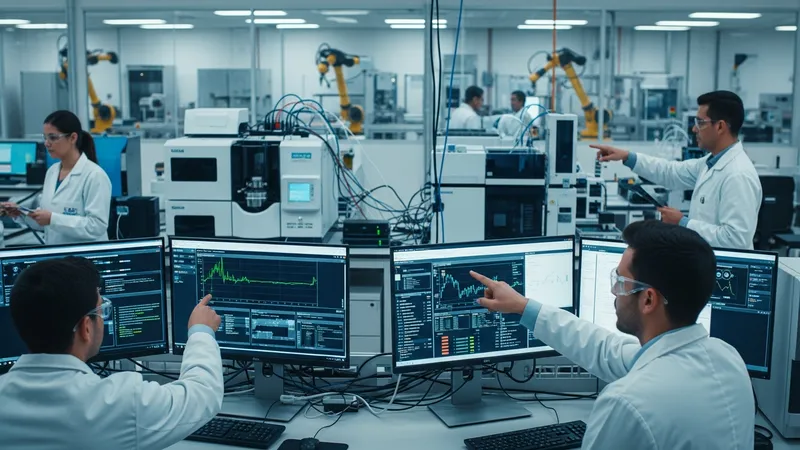
Mexican manufacturers may implement software platforms capable of receiving instrument output for real-time monitoring. This integration supports compliance with regulations governing product specifications and environmental standards. By establishing connectivity between laboratory instruments and supervisory control and data acquisition (SCADA) systems, facilities can enhance operational oversight.
Workflow integration also involves scheduling testing activities to align with production cycles. In industries such as pharmaceuticals or food processing, testing may be conducted at specific critical points to ensure product conformity. Using equipment that fits within these timelines while maintaining accuracy is a consideration often observed in Mexican industrial laboratories.
Furthermore, data security and system compatibility are aspects that may influence integration strategies. Ensuring that laboratory data remain secure while accessible to authorized personnel aligns with quality management and regulatory frameworks. Compatibility with Mexican industrial standards and IT systems facilitates smooth workflows and helps avoid data silos.
Selection of laboratory equipment for industrial applications in Mexico typically involves evaluating criteria related to performance specifications, compliance with relevant standards, and durability under local environmental conditions. Buyers may consider factors such as analytical range, sensitivity, and ease of operation. The capacity for repair and availability of technical support within Mexico are also relevant aspects.
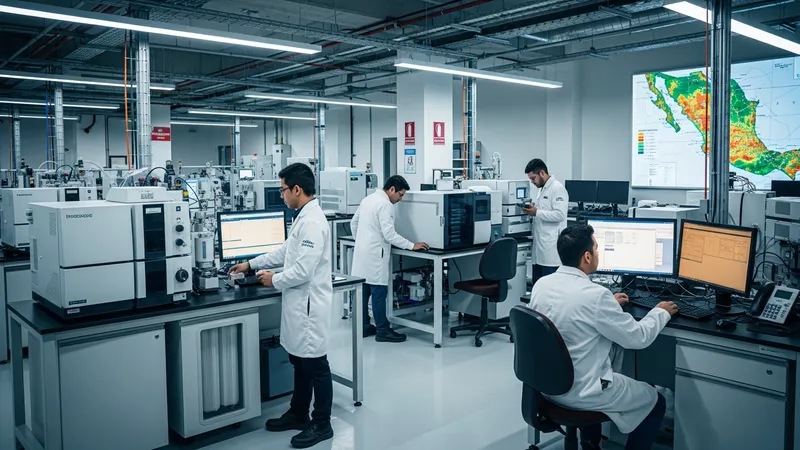
Maintenance planning often emphasizes preventive approaches to reduce downtime and extend equipment lifespan. Environmental factors unique to Mexico, including variations in climate across regions, may affect maintenance frequency. For example, higher dust levels or humidity may necessitate more rigorous cleaning schedules and protective measures.
Suppliers and service providers located within Mexico might offer localized technical support, calibration services, and replacement parts. Availability of such services generally contributes to maintaining continuous operation and adherence to testing requirements without significant interruption.
Compliance with Mexican regulations, such as NOM standards related to equipment safety and environmental emissions, can influence selection decisions. Facilities might review certifications and conformity statements when acquiring laboratory instruments. Such considerations help align equipment use with legal and industrial expectations.