
Oil and gas extraction is a complex industrial process that involves removing hydrocarbons from below the Earth's surface. In the United States, this sector plays a prominent role in the economy, supplying fuels and raw materials for various industries. Extraction is achieved through a combination of geological surveys, drilling, and production operations. Managing the environmental impact remains a central concern, involving careful consideration of water use, emissions, and habitat disruption.
At the core of extraction processes are techniques such as conventional drilling, hydraulic fracturing (fracking), and offshore production. Each approach typically responds to specific geological settings and resource characteristics. Regulatory frameworks in the U.S. aim to mitigate environmental impacts while maintaining energy production targets. Operational decisions are influenced by both geological complexity and environmental sensitivity, making compliance and adaptive management essential.
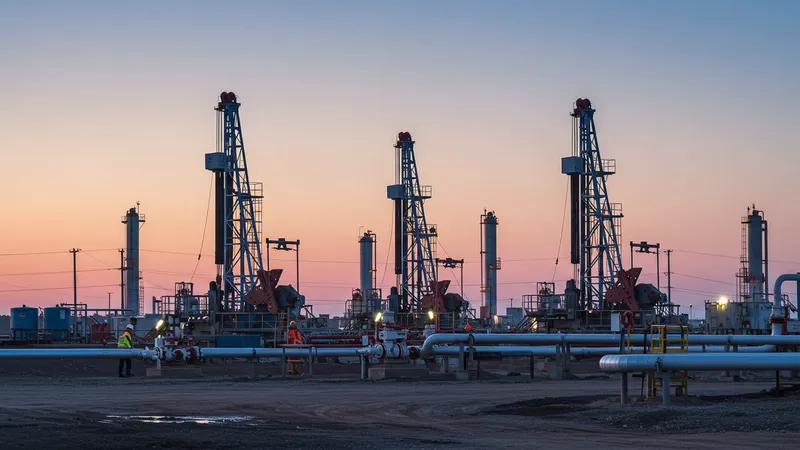
Each of these extraction methods may be selected based on geology, proximity to markets, and regulatory considerations. Rotary drilling is commonly chosen for conventional reservoirs, while hydraulic fracturing is associated with unconventional formations like shale. Offshore platforms are engineered for deep-sea reserves and require significant infrastructure due to challenging conditions.
Environmental considerations are addressed through federal and state regulations that typically cover site selection, emissions, water usage, waste management, and restoration efforts. Agencies such as the U.S. Environmental Protection Agency (EPA) and Bureau of Safety and Environmental Enforcement (BSEE) issue guidelines for minimizing habitat disruption and potential contamination.
Industry reporting and data transparency support ongoing evaluation of risks and improvements in technology. Monitoring systems are often integrated into extraction sites to detect changes in air, water, or soil quality. Public access to this data can facilitate more informed discussions on resource management and accountability.
Advancements in drilling technologies and environmental safeguards may help reduce risks associated with extraction processes. However, trade-offs between resource development and ecosystem protection typically remain subject to scientific assessment and regulatory oversight. These evolving dynamics create an ongoing discussion regarding sustainable practices in oil and gas extraction within the U.S.
In conclusion, oil and gas extraction in the United States involves a mix of established processes and evolving environmental strategies. The next sections examine practical components and considerations in more detail.
Rotary drilling remains a foundational technique in the extraction of oil and gas in the United States. This method uses a rotating drill bit to cut through rock and sediment layers, creating wells that reach hydrocarbon reservoirs. Advances in drill bit materials and directional drilling practices have made rotary drilling suitable for a variety of geological settings. Operators typically select this approach for its reliability in conventional fields and adaptability to exploratory needs.
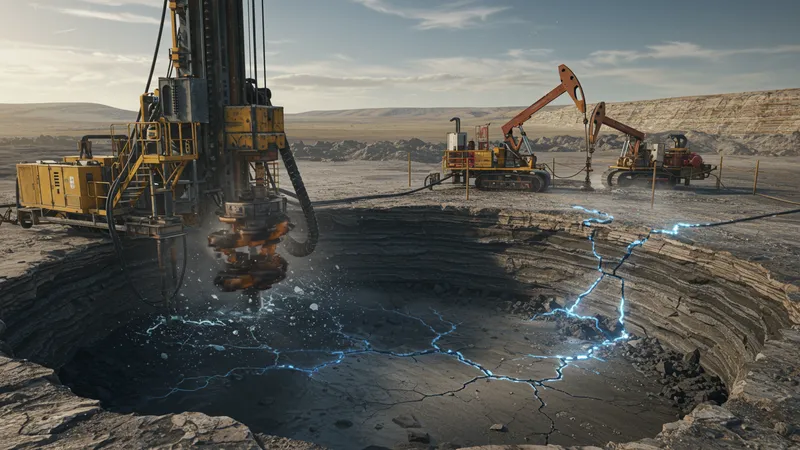
Hydraulic fracturing, or fracking, has played a significant role in the development of unconventional resources, including shale oil and gas. The process involves pumping a mixture of water, sand, and chemicals at high pressure into rock formations. This creates fractures that allow hydrocarbons to flow more freely. While fracking can increase well productivity, it also necessitates rigorous management of fluids and emissions to address environmental concerns.
Offshore extraction in the U.S. is performed using sophisticated fixed and floating platforms. These structures, often constructed miles from shore, provide stable workspaces for drilling wells beneath the ocean floor. Offshore operations require adherence to strict safety protocols and environmental standards, reflecting the challenges of working in marine ecosystems. Advanced remote monitoring and blowout prevention systems are integral to modern offshore extraction.
Each extraction process is supported by logistical planning, from transporting equipment and workers to coordinating waste disposal. The selection of an extraction technique may depend on factors such as reservoir type, depth, proximity to existing infrastructure, and regulatory limits. Operators frequently balance economic feasibility with environmental stewardship when planning new projects.
Water usage and management is a critical issue in oil and gas extraction, particularly with hydraulic fracturing, which can require millions of gallons per well. Water sourcing, handling, and disposal are carefully regulated, with treatment methods in place to process wastewater before disposal or reuse. In some regions, water recycling practices have emerged to reduce overall consumption and minimize local impact.
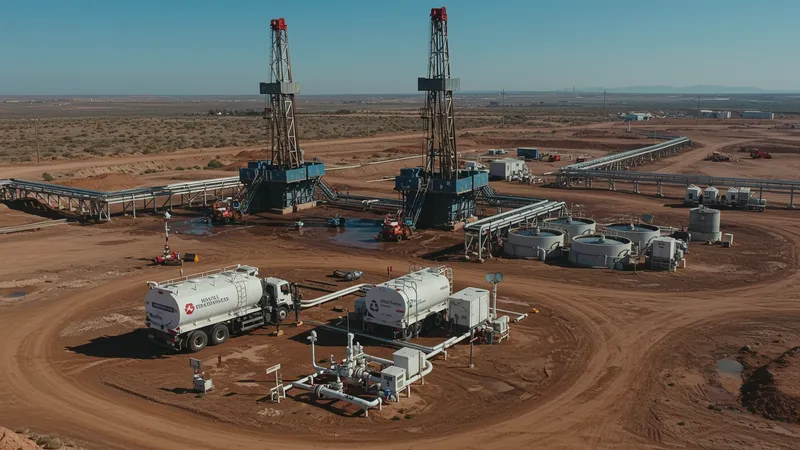
Air emissions, including volatile organic compounds (VOCs), methane, and carbon dioxide, are monitored under national and state programs. The EPA establishes rules to limit flaring, venting, and fugitive emissions from extraction sites. Many companies deploy vapor recovery units and leak detection systems to help comply with emissions targets. Continued monitoring is necessary to balance energy production with air quality goals.
Soil and habitat disruption may occur during site development, including clearing land, constructing roads, and installing equipment. Environmental impact assessments are completed prior to development to identify sensitive species or habitats. Reclamation plans are frequently reviewed by regulatory bodies to ensure disturbed land is restored after extraction activities cease.
Managing the risks of spills and leaks is a routine aspect of site operations. Spill prevention, control, and countermeasure (SPCC) plans are mandated by federal regulations. Secondary containment systems, along with emergency response protocols, are implemented to limit the scope and impact of accidental releases. Regular training and drills aim to maintain preparedness for potential incidents.
Federal agencies play a key role in regulating oil and gas extraction processes. The Bureau of Land Management (BLM) oversees operations on public lands, while the Bureau of Ocean Energy Management (BOEM) manages offshore leasing and development. The Environmental Protection Agency (EPA) establishes and enforces regulations pertaining to air, water, and hazardous materials under statutes such as the Clean Air Act and Clean Water Act.
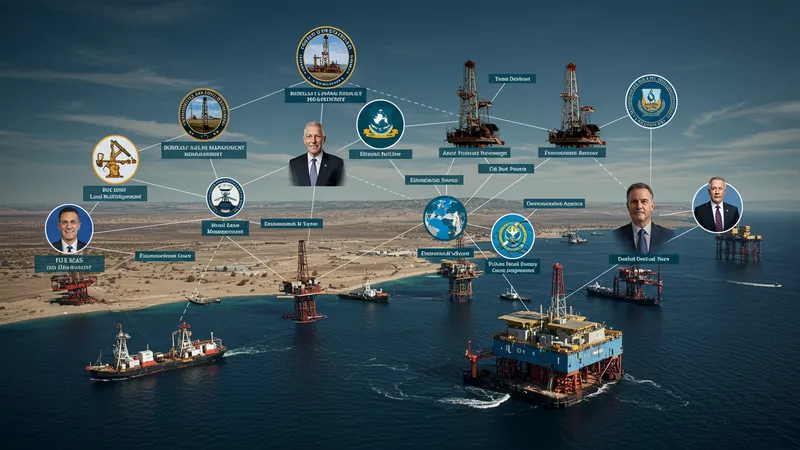
States implement additional regulations that can address regional environmental priorities. For example, Texas and North Dakota issue permits for drilling and control waste disposal standards suited to local geology and water resources. These regulations are frequently updated to reflect advances in extraction technology and evolving public concerns over environmental impacts.
Permitting requirements provide a structured review process for new development projects. Operators submit detailed plans describing site design, safety measures, and environmental management strategies. Review periods may include public comment opportunities and require the submission of impact studies. The outcome often determines whether and under what conditions the project can proceed.
Ongoing compliance monitoring is enforced through regular site inspections, data reporting, and audits. Non-compliance can result in fines, shutdowns, or mandated remediation activities. Transparency and reporting requirements support agency oversight as well as public accountability regarding industry activities and their environmental management outcomes.
Technological innovation continues to shape extraction methods and associated environmental safeguards. Enhanced oil recovery techniques, automation in drilling processes, and advances in remote sensing are being explored to improve efficiency and reduce incident risks. The integration of digital monitoring allows operators to identify potential issues more quickly and optimize performance with less environmental disturbance.
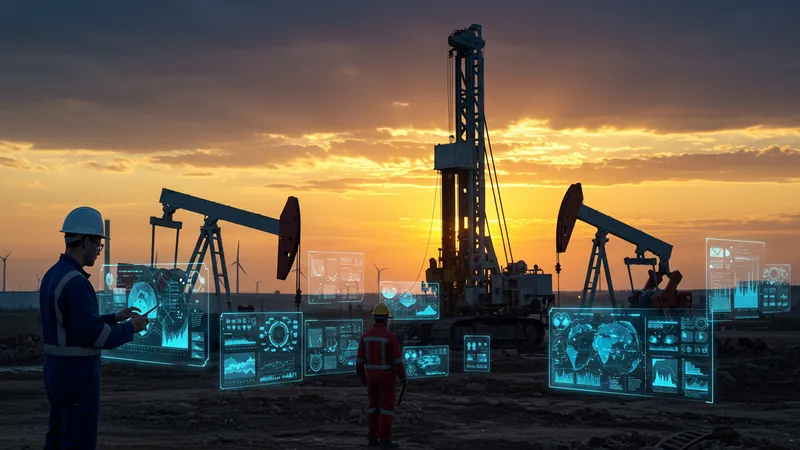
The landscape of oil and gas extraction is influenced by shifts in energy policy and market dynamics. Federal and state initiatives may aim to promote more sustainable operations through incentives for methane reduction, investment in research, or requirements for greater use of recycled materials in field operations. Changes in energy demand can also impact project viability and investment decisions.
Stakeholder engagement is increasingly a part of resource development projects. Community input is often solicited during permit application processes, particularly in regions sensitive to environmental or socioeconomic impacts. Transparency in operational practices and regular provision of environmental data may foster constructive dialogue among industry, regulators, and local communities.
Long-term resource management may incorporate planning for decommissioning, reclamation, and legacy site monitoring. Comprehensive site closure plans are generally required to ensure former extraction sites are returned to stable, useful conditions. Advances in remediation technologies may help address lingering environmental effects, supporting broader goals for responsible resource stewardship.