
Robotic automation systems integrate programmable machines into production environments to perform predefined tasks. In manufacturing settings, these machines often handle repetitive operations that require consistent motion and timing. Through electronic and mechanical components, robotic systems can execute a variety of functions such as assembly, packaging, and material handling. Within industrial production, these systems are designed to operate with precision and predictable performance, helping to maintain workflow continuity and align with assembly line schedules.
These systems can be configured for different levels of complexity depending on the nature of the production line. Some setups involve a single robotic arm performing a specialized task, while others utilize multiple robots coordinated for sequential processes. The control units manage robotic motions based on programmed instructions that typically derive from production requirements. This level of automation allows production lines to maintain operational consistency across extended periods with limited variability due to human factors.
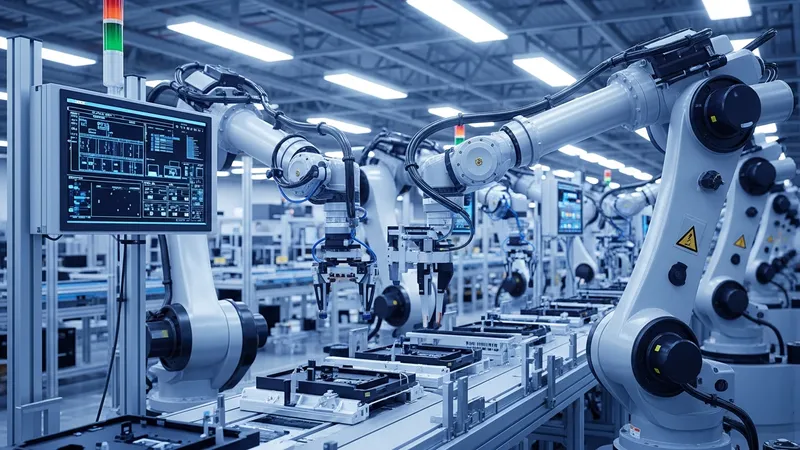
The selection of robotic systems is influenced by production line design and the specific tasks to be automated. Articulated robots often provide versatility, while SCARA and Cartesian types can be more suitable for defined repetitive actions requiring high speed. The balance between initial investment and operational capacity typically guides decisions in industrial applications. These systems can integrate with existing production line elements such as conveyors and sensors, which allows for more streamlined workflow management and data communication.
Implementation of robotic automation may affect staffing requirements by reallocating labor roles rather than eliminating positions. Operators often shift towards monitoring and maintenance tasks. The systems’ repeatability can help reduce variability in output quality, which is especially significant in industries where consistency influences product acceptance and process yield. This characteristic also supports adherence to manufacturing standards and regulatory requirements within the local context.
Robotic automation systems require regular maintenance and calibration to sustain performance. Preventive maintenance scheduling and diagnostic programming are common features that help avoid unexpected disruptions. The cost implications for upkeep vary based on system complexity and operating conditions. Often, manufacturers provide service contracts that include routine checks, software updates, and calibration assistance, which can influence ongoing operational expenses.
Integrating these systems may also involve adaptations in workforce training. Personnel must gain competencies related to system operation, troubleshooting, and safety protocols. This training ensures a smoother transition during automation adoption phases and reduces the potential for operational errors related to improper use. Additionally, automation data can offer insights for continuous improvement efforts on production lines.
In summary, robotic automation systems in production lines encompass a range of programmable mechanical devices that perform specific tasks to support manufacturing objectives. These systems vary by design and function with associated costs reflecting their capabilities and integration complexity. They can influence production consistency, labor roles, and maintenance requirements within industrial environments.
The next sections examine practical components and considerations in more detail.
Different robotic automation system types align with varied task requirements in production lines. Articulated robots commonly accommodate complex movement needs with multiple degrees of freedom. SCARA robots suit high-speed, precision tasks involving lateral motion, typically within limited vertical movement. Cartesian robots, with linear axes, are effective for straightforward pick-and-place or positioning operations.
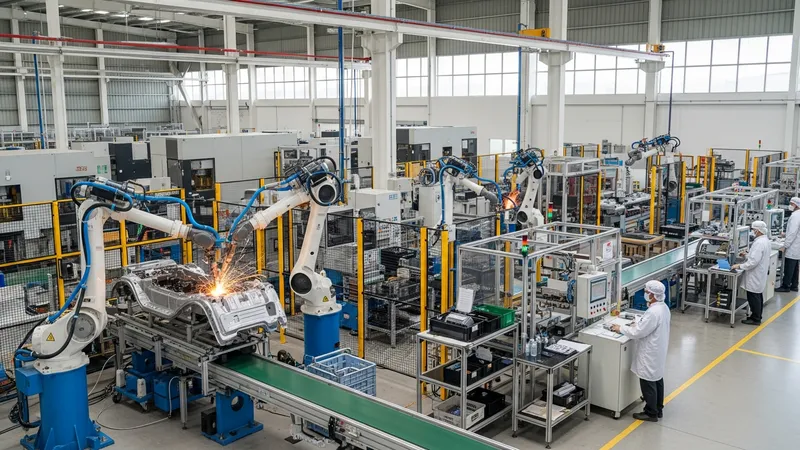
Within Thailand's industrial sectors, the deployment of these robot types is often guided by product specifications and line layout constraints. For instance, electronics assembly may favor SCARA robots for component placement, while automotive parts manufacturing might utilize articulated robots for welding or complicated assembly steps. These examples illustrate how robot categorization correlates with operational demands and environment.
Pricing for these systems generally reflects technological complexity and capacity. Articulated robots with higher payloads sometimes see prices toward the upper end of typical ranges due to advanced control hardware and engineering. Meanwhile, Cartesian robots are often less costly because of simpler mechanical structures. Companies factoring investment possibilities consider both initial acquisition and ongoing operational expenses.
Manufacturers and integrators in Thailand tend to match robot types to existing line setups to optimize workflow efficiency. The selection process may consider integration ease, control interface compatibility, and available floor space. These system choices impact the extent of automation achievable and the potential for scalability in production volume adjustments.
Robotic automation systems can represent various performance profiles, such as repeatability, speed, and payload capacity. Repeatability, a key measure, addresses the robot's ability to return to a precise position, which is crucial in quality-sensitive manufacturing lines. Operational speed influences overall cycle times and throughput capacity on the production line.
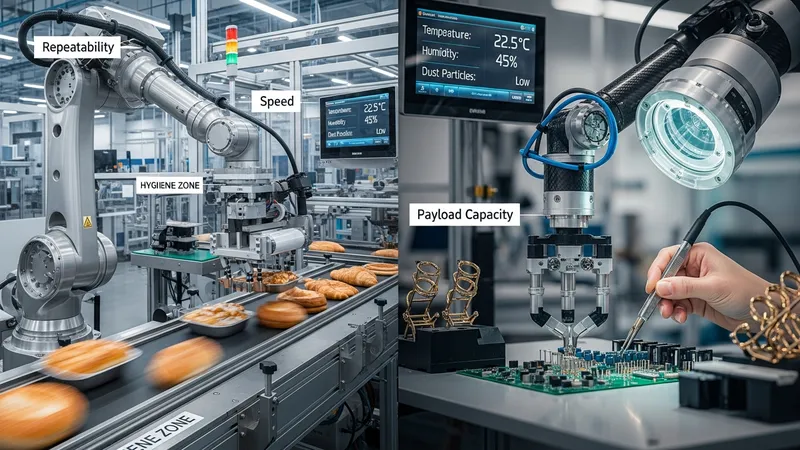
Implementations in Thailand exhibit diverse performance needs based on industry sector. For example, food packaging lines may prioritize speed and hygiene compliance, while electronics manufacturing focuses on accuracy and delicate handling. Operational environments simultaneously affect performance, as temperature, humidity, and dust levels can influence robot selection and maintenance schedules.
Automation systems often include sensors and feedback mechanisms to adjust motions dynamically. Such features can compensate for minor variations in input materials or alignment changes, supporting production stability. The inclusion of safety interlocks and machine guarding remains a regulatory and operational priority to reduce risks related to robot-human interactions.
Energy consumption and system uptime can also factor into production planning. Efficient power use and manageable maintenance downtime contribute to cost-effectiveness. Maintenance staff require access to diagnostics tools and training aligned with specific robotic models to keep systems operating within expected parameters.
Initial costs for robotic automation components in Thailand can vary significantly depending on system complexity, manufacturer, and features. Besides hardware expenses, installation and programming services typically comprise a substantial portion of total investment. Approximately, basic systems might start near ฿200,000, while advanced multi-robot setups can reach into the millions of baht range.
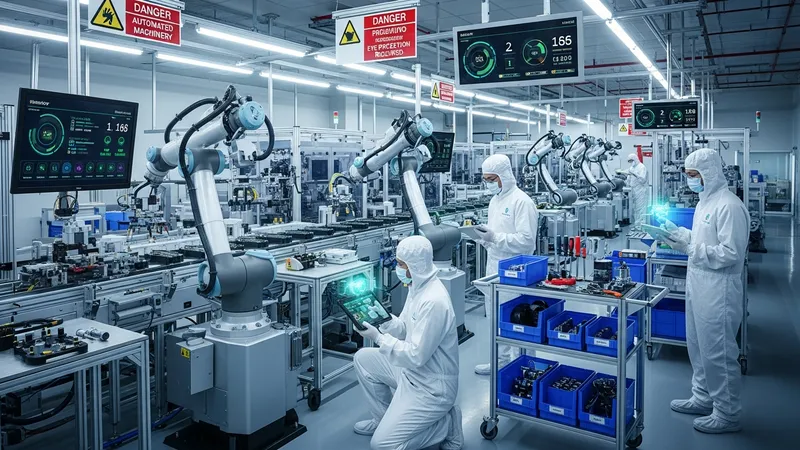
Maintenance typically involves routine inspections, software updates, and component replacement. Preventive maintenance aims to reduce unplanned downtime, which can disrupt production schedules and affect supply-chain commitments. Maintenance costs depend on the system's scale and the availability of local expert service providers. Many manufacturers offer training for in-house technicians to manage routine upkeep.
Cost considerations also extend to system scalability and flexibility. Systems designed for modular upgrades or repurposing can potentially provide longer service life and adaptability to changing production demands. These factors may contribute to total cost of ownership evaluations during planning phases.
Despite the upfront and ongoing costs, automation solutions might support streamlined labor allocation by shifting repetitive tasks to machines and enabling workers to focus on supervision and problem-solving activities. This redistribution often necessitates investments in workforce development related to robotic system operations and troubleshooting.
Integration of robotic automation into existing production lines commonly involves interfacing robots with conveyors, sensors, control systems, and data management platforms. Effective communication between these components can enhance process coordination and error detection capabilities. Within Thailand, compatibility with locally used industrial protocols and adherence to safety standards are key integration considerations.
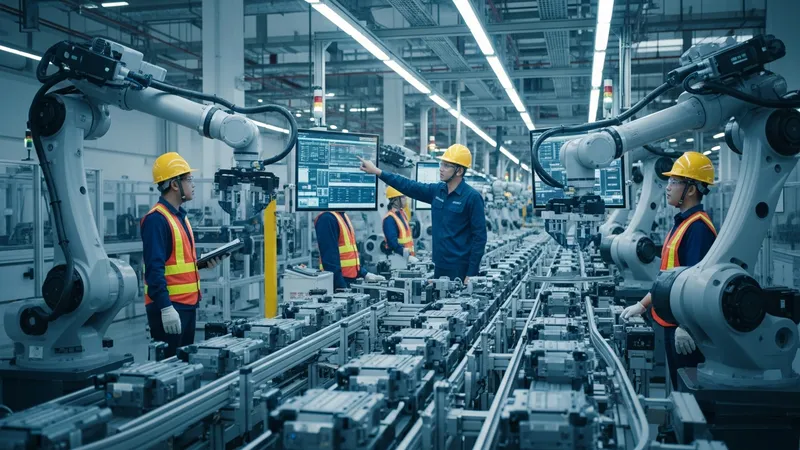
Workforce adaptation generally includes training related to system operation, basic troubleshooting, and safety procedures. Familiarity with control interfaces and diagnostic tools may help operators monitor system status and identify issues proactively. Such skills development can form part of broader industrial automation education programs offered by Thai technical institutes and industry associations.
Transition phases may require temporary adjustments in production pacing or staffing patterns as new systems stabilize their operational roles. Companies often aim to maintain steady output during this period by balancing manual and automated tasks. Understanding human-robot collaboration dynamics assists in optimizing workflow without compromising safety or product quality.
Ongoing evaluation of automation effectiveness can involve performance analytics derived from robotic system logs. These analytics may identify bottlenecks or maintenance needs, guiding continuous improvement efforts. The integration process and workforce transition are often iterative, aligning with evolving production requirements and technology advancements.