
Smart beds specifically designed for elderly individuals are advanced sleeping systems intended to support comfort, mobility, and ease of use in daily living environments. Typically, these beds integrate technology that addresses the changing requirements of aging persons, offering features intended to enhance rest while also providing support for safe movement. Unlike traditional beds, smart beds may include electronic or mechanical adjustments and sensory technologies that respond to user needs without requiring significant manual effort.
Many smart beds for elderly people focus on adjustability, ergonomic positioning, and integrated monitoring abilities. These capabilities can include features such as motorized height adjustment, back and leg elevation, and timers for lighting or accessories. In addition, pressure relief surfaces and certain connectivity functions (such as remote controls or apps) are increasingly available, reflecting the progression of standard home beds into more interactive and user-friendly systems.
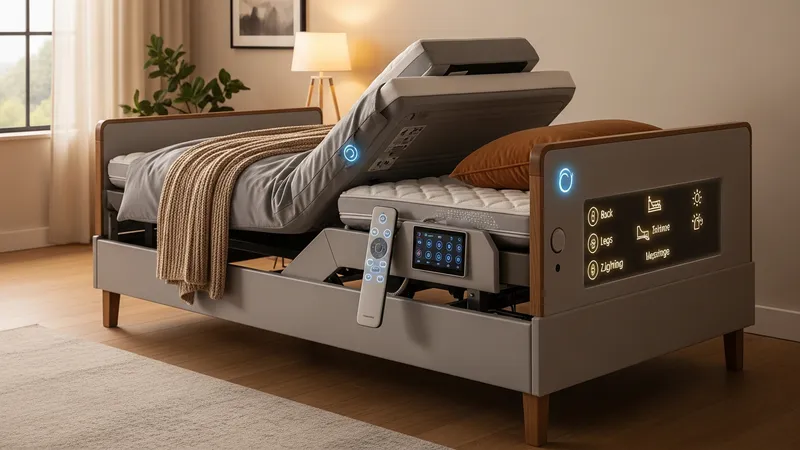
Adjustable base beds intended for elderly users often prioritize smooth, quiet, and user-controlled movement. This reduces the need for caregivers’ physical effort and can support independent position changes. Features such as zero-gravity settings or pre-set sleep positions are widely noted, offering customizability for comfort and pressure management. When motorized components are included, careful safety features such as pinch protection and emergency lowering mechanisms are typically present to further support safe operation.
Pressure redistribution mattresses are an essential component in many smart bed systems for older adults. These mattresses, which may use memory foam, gel, or air-cell construction, aim to deliver adaptable support and can help reduce point pressure along the body. Air-based models often allow for automatic or semi-automatic adjustment of firmness based on weight or movement detection. Such features may be valuable in reducing discomfort associated with extended bed rest, but they are generally not intended as a substitute for medical advice or clinical care.
Integrated monitoring and sensory technology featured within some smart beds usually focuses on gathering non-invasive data. For example, sensor pads can detect bed occupancy or movement, alerting caregivers about exits or inactivity. Selected models incorporate sleep tracking functions that log movement patterns over time. While many of these capabilities are not intended to diagnose or treat health conditions, they may support routine care monitoring or provide data to caregivers in residential or facility settings.
Overall, smart beds for elderly individuals commonly feature a mix of mobility-aiding functions, pressure-relieving surfaces, and information-sharing technologies. Each of these elements is generally designed to address specific comfort and accessibility considerations, reflecting the wide diversity of user needs. In the following sections, a closer look is taken at the specific components and considerations involved in selecting and using such beds.
The next sections examine practical components and considerations in more detail.
Smart beds engineered for elderly individuals typically include advanced adjustability features. Head and foot sections can often be raised or lowered through electronic motors, offering flexible positioning that may contribute to ease of getting in and out of bed. Some designs incorporate side rails that can be repositioned or moved entirely, which can help to further assist with safe movement and bed access. Adjustable height functions may allow optimal transfer to and from wheelchairs or mobility devices.
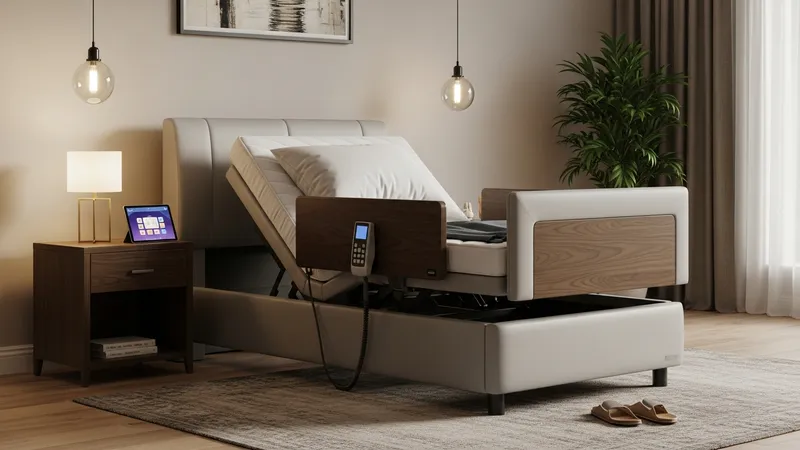
Positioning options in modern smart beds may extend to preset configurations, such as reclined settings intended to promote relaxation or mild elevation to support reading or watching television in bed. Certain beds use programmable memory settings, which can store preferred positions for quick recall. These features are often controllable either by handheld remote, integrated bedside panels, or mobile device applications, enhancing convenience and accessibility for users with varied mobility levels.
Specific adjustability functions—like the ‘zero-gravity’ mode—are cited for their potential to minimize discomfort in the lower back and distribute weight more broadly. These preset angles may be used for temporary relief during long periods spent in bed but should be selected based on individual preferences and general comfort rather than clinical promise. Some beds also feature gentle incline or decline mechanisms supporting easier bed entry or exit, which can be beneficial especially when lower limb mobility is limited.
While technological advances offer a range of adjustment possibilities, it is important for users and caregivers to be aware of the operational limitations or mechanical requirements of these beds. Most adjustable systems require proximity to a power source and regular maintenance to ensure continued smooth operation. Manuals and user instructions typically provide guidance on safe use and can offer troubleshooting tips in the event of power interruptions or mechanical issues.
The surface composition of a smart bed is central to its ability to support comfort and mobility for elderly users. Pressure relief mattresses, such as those featuring memory foam or alternating air cells, are frequently used. These materials are favored because they can adapt to the body’s contours, helping to distribute body weight across a larger area. Mattresses with customizable firmness levels may support periodic adjustments in response to changes in comfort or overnight shifts in position.
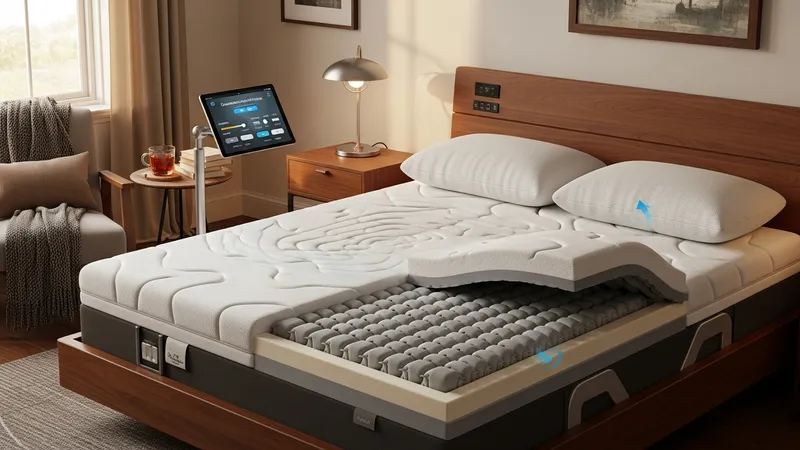
Alternating pressure mattresses operate by systematically inflating and deflating air cells, which can encourage periodic repositioning and minimize sustained pressure on any one area of the body. While these technologies are primarily used in clinical care, they are now becoming available in home versions. Many models support manual adjustments as well as basic automatic cycling, and they generally aim to provide additional comfort and flexibility without the need for constant user input.
Hybrid mattresses often combine foam layers and air-based systems, offering a blend of support and adaptability. These models are designed for ease of movement and may facilitate turning between different sleep positions. The selection of surface material—be it memory foam, latex, or synthetic gels—can be influenced by the user’s preference regarding firmness, response, and temperature control. When choosing a mattress, it is helpful to consider removable covers for ease of cleaning and possible hypoallergenic properties, especially for sensitive skin.
It should be noted that while pressure relief surfaces can support general comfort and movement in bed, their performance depends on consistent use and proper adjustment. For users spending extended periods in bed, caregiver guidance regarding regular repositioning and monitoring of mattress conditions is often practical to maintain both comfort and safety over time.
Smart beds designed for elderly users increasingly incorporate monitoring technologies aimed at supporting daily care routines. Motion sensors built into bed frames or mattresses can detect changes in position or presence, sharing information with caregivers or family members, particularly in multi-occupant or institutional environments. For example, alerts generated if a person leaves the bed may help support fall awareness strategies or prompt periodic wellbeing checks, depending on the system’s configuration.
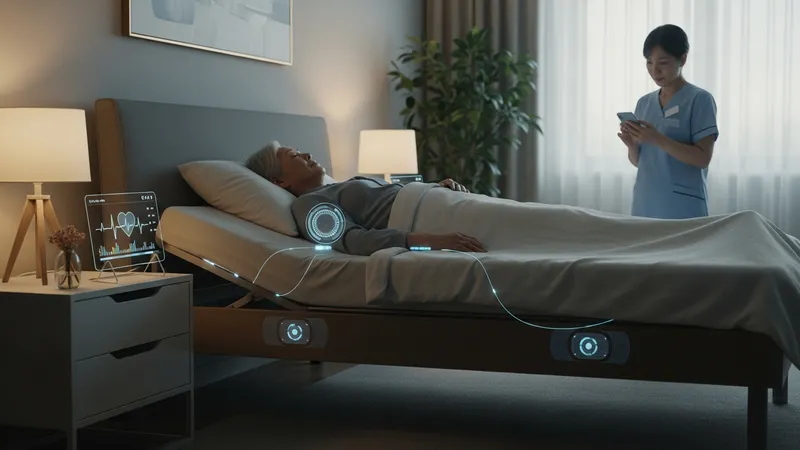
In addition to movement monitoring, some beds feature integrated biometric sensors that can track metrics such as heart rate, respiratory patterns, or simple sleep-related data. This information is typically relayed via digital displays or through secure mobile applications. While these systems are designed primarily for observational purposes, they may offer insights into user routines or sleeping patterns, which can facilitate context-specific care decisions if reviewed by qualified professionals.
Modern smart beds with communication technology often offer connectivity with other home automation platforms. This may allow users to adjust settings through apps or voice commands and can create a more user-friendly experience for those with dexterity or vision challenges. Integration with lighting systems, emergency call buttons, or even daily schedule reminders can be part of broader smart-home ecosystems, but their setup usually requires familiarity with digital interfaces.
It is important to recognize the privacy and data protection responsibilities associated with sensor-equipped smart beds. Users and caregivers should be aware of the data handling policies of each system. Many manufacturers provide detailed privacy statements and guidelines regarding the storage, transmission, or sharing of personal information collected by bed or mattress sensors.
The process of selecting a smart bed for elderly needs often begins with a review of adjustability, pressure relief, and technological features in relation to the user’s living environment. Floor space, bed size requirements, and proximity to electrical outlets are practical factors. Some beds are designed to integrate into standard bed frames, whereas others may require specialized platforms or reinforcement.
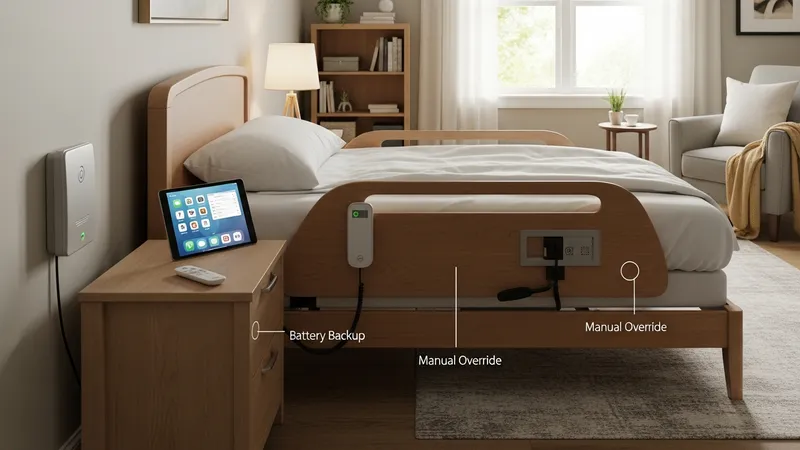
Ease of use is another area to consider. Remote controls, app interfaces, and manual override features are typically present in smart bed designs. It may be helpful for users or caregivers to test the functionality, seeking beds with clear instructions and accessible controls. Backup power options and manual lowering functions are common in higher-end models as a safety consideration during power outages or technical malfunctions.
Maintenance and durability also factor into the practical use of smart beds. Regular cleaning of surfaces, ensuring motorized parts are unobstructed, and adherence to routine manufacturer-recommended inspections can contribute to longer bed life. Removable mattress covers and accessible repair support may offer additional convenience, especially if the bed is in regular use. Several manufacturers supply user booklets or digital resources for troubleshooting and ongoing maintenance tips.
Cost varies based on design complexity, technology integration, and included features. While budget considerations are a practical aspect, it is generally helpful to allocate for professional setup or delivery where heavy lifting or technical installation is required. Warranty terms, technical support availability, and compatibility with existing furnishings can be significant elements for both safety and convenience over time.