
Solar installation services in the United Kingdom generally refer to the process of fitting solar photovoltaic (PV) panels onto residential, commercial, or industrial rooftops or ground mounts to capture sunlight and convert it into usable electricity. These services encompass several procedures, including site assessment, system design, panel installation, electrical integration, and regulatory compliance. Solar installations are typically carried out by qualified companies that follow national standards and regional guidelines to ensure safety and optimized energy production.
The process of a solar installation service involves various professionals, such as surveyors, designers, certified electricians, and customer support teams. Companies planning installations in the United Kingdom may need to evaluate each property for solar suitability, taking into account factors like roof orientation, shading, local weather conditions, and any planning permission requirements. Service providers may vary in their installation approach depending on whether the property is residential, commercial, or part of a large industrial site.
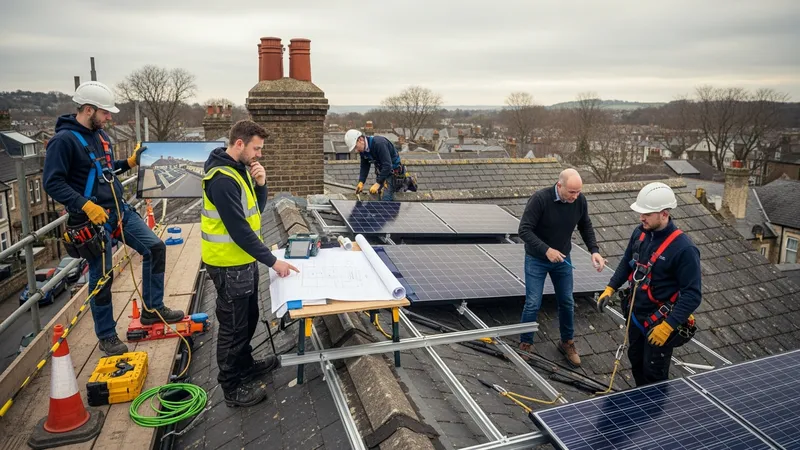
Solar installation services may differ between residential and commercial projects. Residential installations often involve rooftop solar panels sized to fit the household’s energy needs and usually require minimal construction beyond panel mounting and inverter installation. Commercial installations, by contrast, can involve larger or more complex systems, sometimes spread over multiple buildings or configured to support higher energy loads. These differences may affect both the timeline and the scope of works needed on-site.
Regulatory compliance is a crucial aspect of solar installations in the United Kingdom. Installers typically follow national standards as set by the MCS and may also help clients apply for local council permissions when required. Some installations qualify for incentives such as the Smart Export Guarantee (SEG) which allows excess generated electricity to be sold back to the grid after connection approval by the District Network Operator (DNO).
Choosing a service provider may depend on factors like experience with similar property types, membership in professional accreditation schemes, and a transparent approach to system sizing and energy output estimates. Pricing may vary, with recent figures for residential installs in the UK generally ranging from approximately £5,000 to £8,000 for standard 3–4kW systems, depending on property specifics and component choices.
Technological advancements may influence the types of panels and inverters offered by service providers. Some companies may offer battery storage or smart-energy monitoring solutions, which are increasingly sought after for managing energy usage or maximizing self-consumption. Such components add complexity to the installation service and may require specialist expertise.
In summary, the solar installation process in the United Kingdom encompasses a series of coordinated steps: site evaluation, system design, installation, and compliance. Each stage is significant for ensuring safety, operational reliability, and regulatory adherence. The next sections examine practical components and considerations in more detail.
One of the earliest phases in solar installation services in the United Kingdom is the site assessment, which sets the foundation for the project’s design and feasibility. Surveyors typically evaluate roof size, inclination, orientation, structural integrity, and the presence of shading from nearby trees or buildings. These factors may influence not just the panel placement, but also the expected power output. For properties in conservation areas or with listed status, additional planning and compliance steps could be necessary.
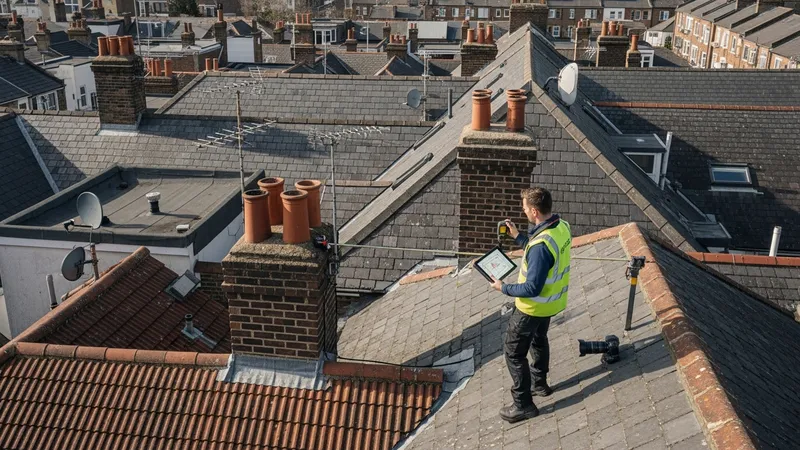
The planning stage frequently involves determining the optimal configuration for solar panels to capture the most sunlight. In the United Kingdom, south-facing roofs are often preferred, though east and west orientations may also yield satisfactory performance. Other technical considerations at this stage may include the available space for mounting inverters or integrating battery storage units.
Accurate energy consumption analysis is typically conducted during planning. Service providers may ask for past electricity usage records to align the system size with expected demand. Under-sizing or over-sizing can affect overall system efficiency and cost-effectiveness, making tailored planning important for both residential and commercial clients.
Regulatory compliance during planning is also important. Solar installations may require notification or approval from local building authorities, especially for systems involving structural changes or installations above a certain size. Many companies in the United Kingdom utilise the planning portal and guidance from official government sources to ensure adherence to requirements before installations begin.
During installation, qualified professionals typically mount solar panels and associated hardware to the roof or designated area. In the United Kingdom, installations often comply with best practices outlined by the Microgeneration Certification Scheme (MCS) and the Institution of Engineering and Technology (IET) wiring regulations. Installers may use frameworks or brackets suited to specific roof types, ensuring weather resistance and structural security.
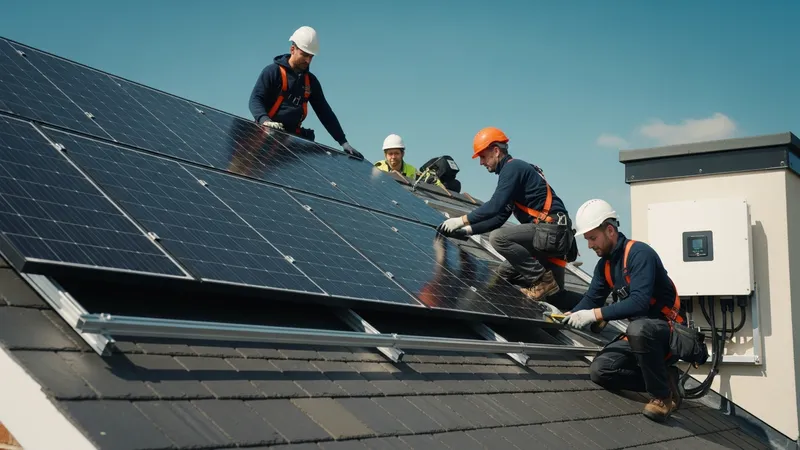
The electrical integration phase involves wiring the panels to an inverter, which converts the collected DC electricity to AC for use in homes and businesses. Installers also connect the inverter and all related monitoring equipment. For safety, all electrical work in the United Kingdom is required to follow Part P of the Building Regulations and may only be conducted by certified professionals.
Quality assurance checks are a routine part of the installation process. Service providers may test connections, verify system output against design expectations, and confirm safe integration with the property’s existing electrical system. The commissioning phase often includes a demonstration to property owners on system operation and basic maintenance requirements.
Documenting compliance is a further quality standard. Providers in the United Kingdom commonly supply MCS certificates, electrical installation reports, and warranties on components. Such documentation may be necessary for participation in incentive schemes or for meeting insurance and resale criteria.
Solar installation costs in the United Kingdom can vary depending on system size, component quality, installation complexity, and location. Residential systems typically range between £5,000 and £8,000 for standard rooftop setups, while larger commercial or industrial systems may have higher costs due to scale and additional engineering needs. Quotations generally include design, equipment, installation labour, and certification.
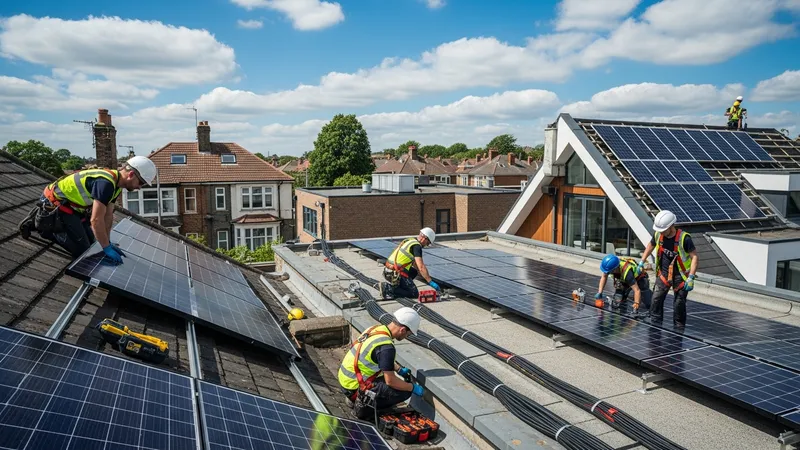
Some cost elements are influenced by roof type and accessibility. Properties with slate, flat, or complex angled roofs may require additional work, specialised mounting systems, or safety measures. Other factors such as cable runs, existing electrical infrastructure, and the inclusion of battery storage can also contribute to overall expenses.
Financial support mechanisms are available for eligible installations. The Smart Export Guarantee (SEG) scheme allows small-scale solar generators to receive payments for excess electricity exported to the national grid. Service providers in the United Kingdom may assist with the application and notification process, but such schemes are subject to specific terms and market rates, which can vary over time.
Estimating return on investment (ROI) for solar installations is complex and may depend on local electricity rates, self-consumption practices, system performance, and available support schemes. It is important to approach savings or payback projections carefully, with the recognition that actual outcomes may differ for each installation due to site-specific factors and energy usage patterns.
Long-term performance of solar installations in the United Kingdom is influenced by several service-related factors, including system maintenance, monitoring, and periodic inspections. Most solar PV systems are designed to require limited routine maintenance, but providers typically recommend occasional cleaning and visual checks for debris, shading changes, or physical damage to the panels or mounting hardware.
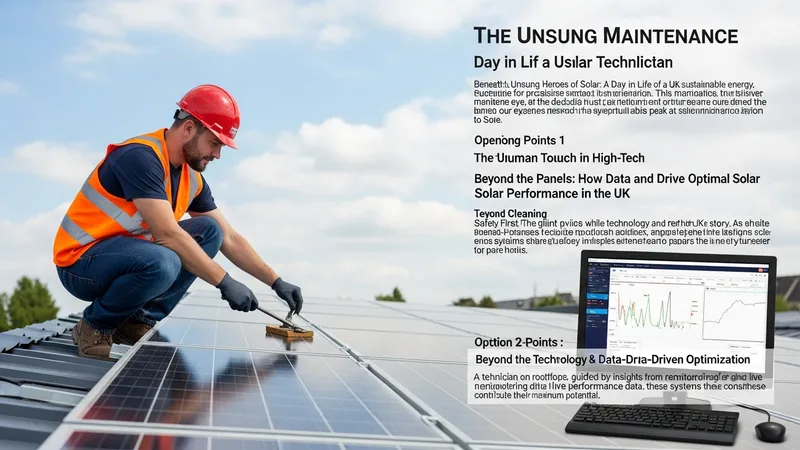
Remote monitoring technologies can provide system owners and service providers with live data on energy generation and system status. These solutions may help identify performance deviations or faults early, enabling timely maintenance or repairs. Some installers in the United Kingdom offer maintenance packages or performance guarantees, though these should not be interpreted as absolute assurance of specific outcomes.
Over time, individual components such as inverters or batteries may require servicing or replacement. Expected lifespans for solar panels can often exceed 20 years, while other components may need attention within shorter intervals. Warranties, certifications, and aftercare support are important service elements to consider in advance of installation.
As the renewable energy sector evolves in the United Kingdom, solar installation services continue to adapt, integrating new technology and meeting evolving regulatory standards. Contributing to sustainability targets, solar PV systems installed according to high standards can offer practical energy solutions for homes, businesses, and large-scale operations across various regions in the United Kingdom.