
Soundproof glass is an engineered solution used in modern window systems to help reduce the transmission of external noise. This is commonly achieved through the use of multiple glass layers, specialized interlayers, and specific construction techniques. The goal is to address the passage of airborne sound waves, which may otherwise penetrate ordinary windows and impact interior environments.
Acoustic insulation in window glass relies on principles such as increased mass, damping through laminated layers, and strategic spacing between panes. Each component plays a distinct role: mass can block sound, laminated materials can absorb vibration, and air gaps might help disrupt the movement of sound waves. Combining these factors allows glass assemblies to better manage various noise frequencies.

Laminated acoustic glass is often selected for its ability to diminish certain higher-frequency noises, such as voices or vehicle sounds. This glass type integrates a layer designed to absorb energy from sound waves, which may result in decreased noise passing through the window assembly.
Double-glazed configurations typically use two panes separated by a gap. When these panes differ in thickness, sound waves may become disrupted more effectively than with identical glass layers. This approach can lower impact from varied noise types near urban or transportation corridors.
Triple-glazed windows add another pane and internal gap, which can further interrupt noise paths. The spaces between panes might be filled with air or an inert gas, both of which could contribute to sound dampening and thermal efficiency. Such windows, however, typically require careful design to avoid unintended resonance or frequency amplification.
In practical window design, these methods may be used individually or combined depending on the acoustic challenges present. Modern construction in high-traffic or densely populated areas frequently incorporates layered glazing systems as a means to support comfort and meet evolving building codes.
Understanding these techniques provides foundational insight into how soundproof glass components are chosen and configured for acoustic insulation in contemporary window applications. The next sections examine practical components and considerations in more detail.
One of the primary approaches to sound reduction in modern windows is the use of layered glass constructions. These configurations typically involve two or more panes separated by specific spacers, with at least one pane usually incorporating a laminated assembly. The inclusion of these layers increases the total mass of the window, which can play a crucial role in blocking airborne sound transmission.
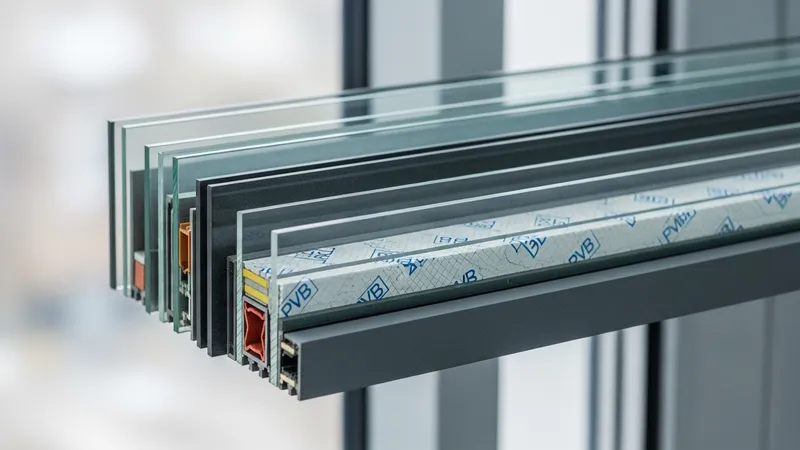
The performance of multi-layered glass is affected by both the thickness of the individual panes and the composition of interlayers. Laminated glass often utilizes plasticized films or resins, such as PVB, which can absorb a portion of the vibrational energy created by incoming noise. The function of these interlayers is not only to physically connect the panes but also to act as an internal dampener.
Spacing between panes is another notable factor. In double- or triple-glazed systems, the presence of an air or inert gas gap can disrupt the path of sound waves. Optimal spacing distances are determined by balancing both acoustic and thermal considerations, and manufacturers may adjust these values based on building codes or project-specific needs.
Layered constructions are favored in areas exposed to notable exterior noise sources. In urban settings with dense vehicle or aircraft traffic, multi-pane solutions featuring laminated glass are commonly seen as a viable method to support regulated internal noise levels. Material selection and thickness strategies often vary according to the local sound environment and design objectives.
Interlayers are a critical part of laminated soundproof glass, directly influencing how well a window manages acoustic energy. The use of polyvinyl butyral (PVB) modified for sound absorption is typical, though some products integrate other polymers. These specialized films are designed to convert vibrational sound wave energy into minimal heat, reducing the amount transmitted through the window assembly.
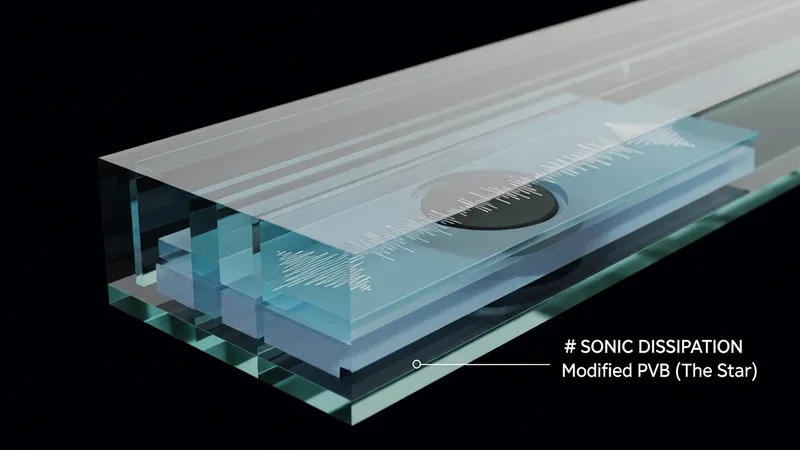
Material selection for the glass itself also plays an important part. For example, some installations include panes of different thicknesses within a single unit. This asymmetrical approach targets multiple sound frequency ranges, as frequencies that pass more readily through a thinner pane may be mitigated by a thicker one. Manufacturers may specify these thickness ratios based on measured or expected noise types.
Advances in polymer science have expanded the range of available interlayer materials. Acoustic interlayers may now include viscoelastic compounds or multilayered films, adapting to evolving building and environmental needs. The choice of interlayer is typically determined through laboratory testing to gauge its effect on a range of frequencies associated with urban, industrial, or transportation noise.
Window unit performance can be further affected by the addition of secondary coatings or films applied to glass surfaces, which may be selected based on project-specific sound and thermal control priorities. Each of these components works together to form a comprehensive approach to acoustic insulation while supporting additional functional goals, such as impact resistance and UV protection.
Proper installation is fundamental to achieving the intended performance of soundproof glass systems in modern windows. Even high-specification glazing can underperform if gaps, framings, or seals around the window unit are not carefully addressed. Installation guidelines often emphasize robust perimeter sealing and the use of acoustically rated frames.
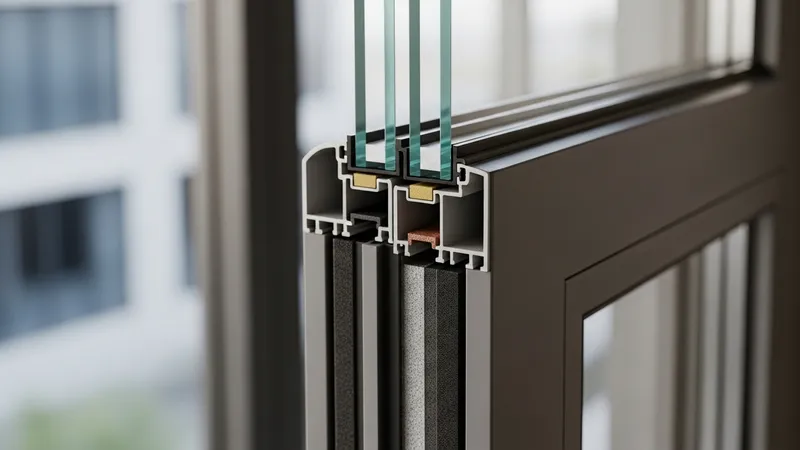
Designers typically consider the total window assembly, not just the glass, when targeting improved sound reduction. This includes frame materials (such as PVC, wood, or aluminum) and the use of secondary seals or dampening materials. Frames can transmit vibrations if not insulated, and careful frame selection may contribute to the broader acoustic performance of the full system.
The orientation and placement of windows in a building may also influence their effectiveness at managing external noise. For example, positioning windows away from direct exposure to busy roads or using facade shielding techniques can serve as additional strategies. These decisions are often made during the architectural planning stage to harmonize acoustic goals with other building requirements.
Project planning frequently integrates both local environmental measurements and digital modeling to estimate internal sound levels after window installation. This approach assists designers and builders as they match glass specifications—such as total thickness or interlayer type—to anticipated site-specific noise profiles in pursuit of regulatory or voluntary acoustic targets.
The acoustic performance of soundproof glass is typically assessed through laboratory testing using standardized metrics such as Sound Transmission Class (STC) and Weighted Sound Reduction Index (Rw). These ratings estimate the glass’s ability to dampen a range of sound frequencies and can guide specification choices for different environments, though real-world results may vary due to factors like installation and structural connections.

Practical limitations exist when specifying soundproof glass solutions. For instance, adding layers and increasing overall thickness may lead to higher window weights, which could impact structural requirements and limit applicability in certain retrofits or older buildings. Cost-effectiveness is another consideration, as enhanced acoustic treatments generally add material and manufacturing expense.
In urban and commercial projects, selecting an appropriate glass configuration often balances desired acoustic performance against energy efficiency, visual clarity, and maintenance needs. Regulators and building codes in some regions may outline minimum acoustic insulation requirements, prompting the adoption of specific glass types or construction practices. Compliance with these codes supports consistent performance across installations.
Ultimately, soundproof glazing provides a set of engineered options that may address noise concerns in contemporary window design. Ongoing advancements in materials and testing methods continue to refine how acoustic insulation is integrated into building envelopes, facilitating more comfortable and controlled indoor environments as construction practices evolve.